How to Clean a 10 Gallon Fish Tank
Keeping a 10 gallon aquarium clean supports healthy fish and clear water. This practical guide walks through the steps, tools, and best practices to maintain a small freshwater setup with minimal disruption.
Whether you’re a new keeper or refreshing a passive tank, following a steady routine helps prevent algae buildup, cloudy water, and unhealthy substrates. The methods below focus on safe handling, effective cleaning, and low-stress maintenance for a thriving mini-ecosystem.
Quick Answer
Perform a partial water change of about 10–20% weekly, siphon the substrate to remove waste, scrub algae with a gentle tool, and vacuum the gravel using a 10 gallon aquarium gravel siphon vacuum. Maintain a regular schedule and avoid over-cleaning to protect beneficial bacteria.
What You’ll Need
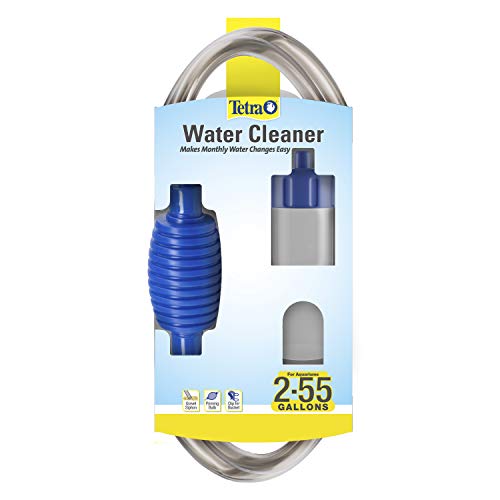
- 10 gallon aquarium gravel siphon vacuum
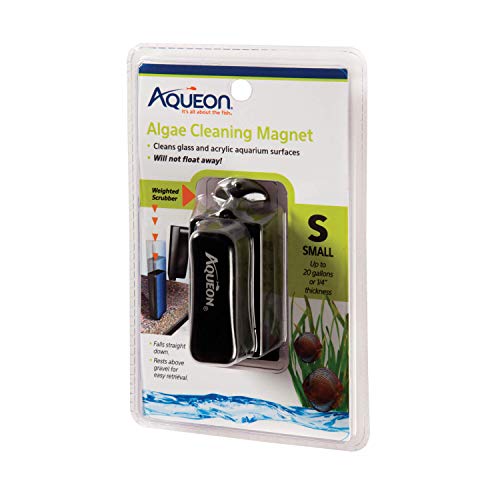
- Magnetic aquarium algae scraper for 10 gallon glass tank
- 10 gallon glass aquarium water change siphon kit

Before You Start
Clear the area around the tank and unplug electrical devices before cleaning. Check water parameters (ammonia, nitrite, nitrate, pH) and note signs of stress in fish. Have a bucket or just-in-case container ready for towel-safe transfer. This process typically takes 20–40 minutes per session, depending on the tank’s condition.
Caution: Do not remove all water at once, as it can shock fish and remove essential bacteria. Use dechlorinated water to replace even partial changes, and never use hot water that could harm fish or beneficial biofilm.
Step-By-Step: How To Clean A 10 Gallon Tank
- Turn off filters and any equipment that could be damaged during cleaning.
- Place a gravity-fed or siphon-based water change kit at the tank edge and start the siphon into a suitable container.
- Use the gravel siphon to vacuum the substrate in gentle, slow motions, targeting visible debris without disturbing the entire bed.
- Wipe the interior glass with a magnetic algae scraper to remove surface and stuck-on algae, using light passes to avoid scratching the glass.
- Spot-clean decorations or plants with a clean cloth or sponge, avoiding soaps or cleaners that could leave residues.
- Monitor the water level as you siphon; aim to replace 10–20% of water with treated, dechlorinated water until the desired level is reached.
- Reinstall filter media and power back on once the water level is restored.
- Test water parameters and observe fish for 15–30 minutes after the change for signs of stress.
- Schedule the next cleaning based on tank conditions, usually weekly for a 10 gallon setup.
- Consider a light algae scrape weekly, and deeper gravel cleaning every two to four weeks, depending on bioload.
- Record observations in a simple log to track changes in algae, clarity, and fish behavior over time.
Troubleshooting
| Symptom | Likely Cause | Fix | Prevention |
|---|---|---|---|
| Cloudy water | Partial water change; check filter flow | Avoid overfeeding; maintain weekly cleanings | |
| Excess algae growth | Too much light; high nutrients | Limit light exposure; reduce feeding; clean glass | Use a timer for lights; monitor nitrate levels |
| Fish showing stress | Sudden temperature or water changes | Slow water changes; acclimate new water gradually | Keep changes within 10–20% per session |
| Strong detritus in substrate | Infrequent gravel cleaning | Schedule routine gravel siphoning | Regular, gentle substrate cleaning |
Common Mistakes
- Avoiding water testing and relying on appearance alone.
- Over-cleaning the tank, which can strip beneficial bacteria.
- Using soap, detergents, or household cleaners on decor or glass.
- Neglecting to dechlorinate newly added water.
- Rushing through steps and missing partial-water-change targets.
Tips For Best Results
- Establish a regular weekly schedule to maintain stable water quality.
- Use the gravel siphon to actively remove waste from the substrate while performing a partial water change.
- Keep the magnetic algae scraper handy for quick surface cleaning between deeper scrubs.
- Test water parameters monthly or after introducing new fish or decorations to prevent imbalances.
Call A Professional
Consult a professional if you notice persistent symptoms such as continual fish disease, severe algae blooms, or ammonia spikes despite regular maintenance. Seek urgent help if any fish exhibit rapid breathing, lethargy, or color changes that do not resolve after a cleaning and water change.
FAQ
How often should I clean a 10 gallon fish tank?
A weekly partial water change and substrate cleaning is typically recommended, with deeper gravel cleaning every 2–4 weeks depending on bioload.
Can I use tap water for my changes?
Only after treating with a reputable dechlorinator to remove chlorine and chloramine.
What tools help with cleaning a 10 gallon tank?
A 10 gallon aquarium gravel siphon vacuum and a magnetic aquarium algae scraper are common essentials.
What should I do if the water becomes cloudy after a cleaning?
Pause heavy feeding, test water, and perform a small additional water change after ensuring the filter is functioning properly.
Should I clean decorations and plants?
Yes, spot-clean them with clean water; avoid soap and detergents which can leave harmful residues.
Is it okay to clean all the water at once?
No, partial changes are safer for fish and beneficial bacteria; aim for 10–20% per session.
What if the tank still looks dirty after cleaning?
Check filter performance, test parameters, and inspect for overfeeding or decaying plant matter.
When to replace filter media?
Follow the manufacturer’s guidance; replace gradually to avoid destabilizing the biofilm.
Buying Guide
Choosing cleaning tools for a 10 gallon tank should balance efficiency, safety, and compatibility with small setups. Consider the following factors to pick the right gear:
- Size and fit: Ensure the gravel siphon and scraper are suitable for a 10 gallon glass tank’s dimensions to access corners easily.
- Material quality: Prefer durable plastics and smooth surfaces to avoid scratches on glass and substrate disruption.
- Ease of use: Look for siphon kits with simple initiation and adjustable flow to control water removal.
- Noise and disruption: Select quiet, low-friction scrapers and pumps to minimize disturbance to fish.
- Maintenance compatibility: Choose tools that work with existing filtration and dechlorination routines.
- Placement and storage: Opt for compact tools that can be stored near the aquarium for quick access.
For many hobbyists, a compact combination of a 10 gallon aquarium gravel siphon vacuum, a magnetic aquarium algae scraper for 10 gallon glass tank, and a 10 gallon glass aquarium water change siphon kit covers routine cleaning needs. Assess your tank’s bioload, lighting, and plant life to determine if you need additional tools or replacement parts. A steady cleaning cadence and careful water management often yield the best long-term results for a healthy, clear 10 gallon aquarium.
Leave a Reply