How to Clean 925 Sterling Silver Safely
925 sterling silver, a popular alloy for jewelry, can lose its shine over time due to oxidation and oils from daily wear. Proper cleaning restores luster without damaging the metal or any embedded stones. This guide offers a practical, safe approach to cleaning 925 sterling silver at home, using common tools and specifically recommended products.
Quick Answer
For light tarnish, mild cleaning with a dedicated 925 sterling silver cleaner is effective, followed by gentle drying with a soft cloth. For stubborn tarnish, use a silver polishing cloth and, if needed, a specialized spray. Always rinse and dry thoroughly after cleaning to prevent water spots.
A Quick List Of What You’ll Need
Gather these tools and products to clean 925 sterling silver efficiently.
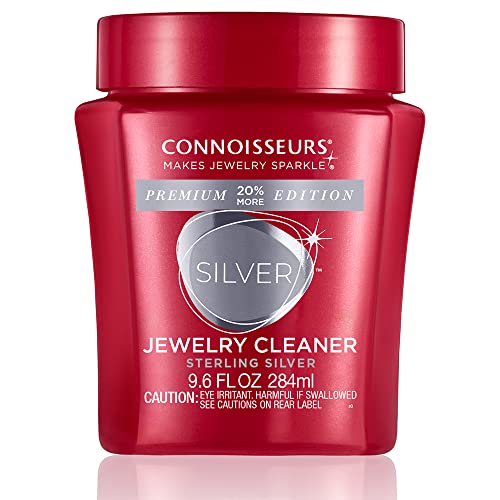
- 925 sterling silver cleaner liquid for jewelry
- sterling silver polishing cloth 925 jewelry
- sterling silver jewelry cleaner spray 925

Before You Start
Before cleaning, remove any loose stones or closures that could be damaged by liquids. Work in a well-lit area and avoid abrasive pads that can scratch the surface. Test any cleaner on a small, inconspicuous area first to ensure compatibility with the finish. Set aside a dedicated, lint-free towel for drying, and allow any items to warm to room temperature to prevent sudden temperature changes that could affect settings or clasps.
Step-By-Step: How To Clean 925 Sterling Silver
- Inspect the piece for dents, loose stones, or broken components. If found, pause cleaning and address repairs first.
- Wipe the surface with a soft, lint-free cloth to remove dust and oils. This reduces scratching during deeper cleaning.
- Apply a small amount of 925 sterling silver cleaner liquid for jewelry to a clean, soft cloth. Do not immerse pieces with stones unless the product instruction explicitly allows it.
- Gently rub the surface in small, circular motions, focusing on tarnished areas. Avoid scrubbing harshly on intricate settings that can loosen stones.
- Rinse the piece under lukewarm running water if the cleaner’s instructions permit it. Ensure all cleaner residue is washed away to prevent residue buildup.
- Pat dry with a clean cloth and allow to air-dry briefly to ensure all moisture evaporates.
- If tarnish remains, repeat the cleaning step with a sterling silver polishing cloth 925 jewelry to lift remaining oxidation without scratching.
- For more persistent tarnish, apply sterling silver jewelry cleaner spray 925 according to the label, then wipe away with a fresh cloth. Do not oversaturate.
- Buff gently with the polishing cloth to achieve a high shine. Move in the direction of the metal’s grain to avoid streaking.
- Store cleaned pieces in a breathable jewelry pouch or a dedicated silver box to slow future tarnish through reduced exposure to air and moisture.
- Re-test with light handling after a few minutes; ensure no residue remains and the finish is uniform across all surfaces.
Troubleshooting
| Symptom | Likely Cause | Fix | Prevention |
|---|---|---|---|
| Piece looks dull after cleaning | Residual cleaner or oils | Wipe with a fresh cloth and lightly buff | Rinse thoroughly; avoid over-application |
| Tarnish returns quickly | Exposure to air/moisture or oils | Store properly in anti-tarnish environment | Regular light cleaning; avoid sweaty wear on silver |
| Scratches appear after polishing | Using abrasive cloth or overzealous scrubbing | Switch to a softer cloth and gentler motion | Use least-aggressive method first |
| Stones loosen after cleaning | Cleaning liquids seeping into settings | Rinse thoroughly or avoid soaking with stones | Check setting integrity before cleaning |
Common Mistakes
- Using household cleaners (like bleach or ammonia) that can damage silver
- Overexposing pieces to moisture, especially porous stones or oxidized finishes
- Applying cleaner directly to gemstones or glued components
- Rubbing too aggressively, which can scratch or bend delicate parts
Tips For Best Results
- Clean silver regularly to prevent heavy tarnish buildup rather than waiting for deep staining.
- Choose a cleaning method based on the jewelry type: plain silver pieces benefit from cleaner liquids, while intricate pieces may do better with a polishing cloth.
- Always dry thoroughly after cleaning to avoid water spots or residual moisture in settings.
- For gift-giving or travel, keep small cleaning kits ready in a protective pouch.
Call A Professional
Consider professional servicing if the item has fragile stones, unique antique finishes, or if cleaning requires disassembly or ultrasonic cleaning that is not recommended for your piece. Stop cleaning and seek expert help if you notice loosening settings, color changes beyond normal tarnish, or any structural damage.
FAQ
Can I clean 925 sterling silver with regular soap and water?
Yes, mild soap and water can be used for gentle cleaning, but for tarnish removal and restoration of shine, specialized cleaners are often more effective.
Is it safe to soak silver jewelry in cleaning solutions?
Soaking is only safe if the product instructions explicitly allow it and if there are no loose stones or glued components.
How often should I clean 925 sterling silver?
Light cleaning every few weeks helps maintain shine; deeper cleaning can be done as needed when tarnish becomes noticeable.
Will cleaning damage vermeil or plated pieces?
Yes, excessive cleaning or harsh cleaners can wear away plating. Use gentler methods and consult product guidelines for plated items.
What’s the best storage to prevent tarnish?
Store in anti-tarnish pouches or airtight boxes with silica gel and ensure items are dry before storage.
Can I use a silver polishing cloth on all 925 items?
Most 925 pieces respond well, but avoid polishing cloths on matte finishes or brushed textures that could be altered by polishing.
Buying Guide
When choosing products to clean 925 sterling silver, consider size, ease of use, and how they fit your routine. Look for cleaners that specify 925 sterling silver and are safe for jewelry. Compare noise levels of spray applicators if you prefer hands-off methods. Energy efficiency is less applicable to manual cleaners, but choosing compact bottles minimizes waste and storage space. Check control options such as spray versus liquid formats and whether the product is safe for stones and plated finishes. For placement, select compact bottles for travel or full-size options for home use. Evaluate reviews for real-world results and verify compatibility with your jewelry types to avoid damage. Would you rather have a quick spray, a ready-to-use liquid, or a simple cloth-based approach? The right choice depends on your maintenance habits and the complexity of your collection.
Leave a Reply