How to Clean 925 Silver Safely and Effectively
925 silver, commonly known as sterling silver, is a popular choice for jewelry and decorative items. Proper cleaning helps maintain its luster and prevents long-term damage from tarnish. This guide walks American readers through practical, safe methods using common cleaning products designed for 925 silver.
Quick Answer
For quick refreshment, wipe with a sterling silver polishing cloth, then lightly buff with a microfiber cloth. For deeper tarnish, use a dedicated jewelry cleaner solution designed for 925 silver, following label directions. Finish with a polishing kit to restore shine and remove fine scratches.
A Quick Guide To What You’ll Need
Tools and supplies are chosen to work specifically with 925 silver and minimize scratching. Gather these items before you begin.
- sterling silver polishing cloth 6×8 inches for 925 silver
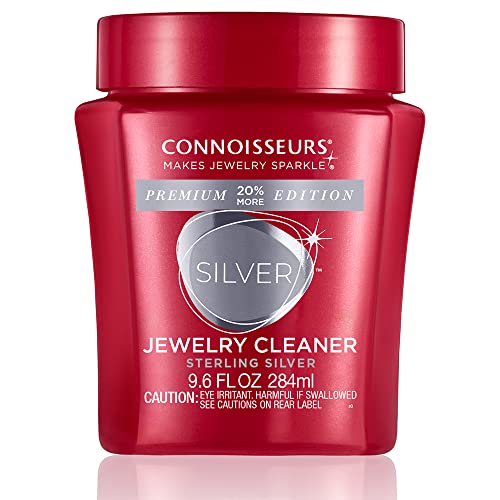
- sterling silver jewelry cleaner solution 8 oz liquid for tarnish removal
- jewelry polishing kit for silver with microfiber cloth and polishing compound


Before You Start
Before cleaning, inspect pieces for loose stones, clasps, or weakened settings. If any repairs are needed, address those first or consult a jeweler. Work on a soft, clean surface to avoid scuffing. Use gentle, non-abrasive products and avoid household cleaners containing ammonia or chlorine, which can damage silver coatings. Time estimate: 10–20 minutes for light cleaning, 20–40 minutes for heavy tarnish.
Step-By-Step: How To Clean 925 Silver
- Lay the item on a soft, lint-free cloth to prevent movement during cleaning.
- Wipe surfaces with a sterling silver polishing cloth to remove loose dirt and oils.
- If tarnish persists, mix or apply sterling silver jewelry cleaner solution according to label directions on a soft cloth or brush.
- Gently rub the piece, following the grain of any engravings; avoid circular scrubbing on delicate settings.
- Rinse carefully with lukewarm water if the cleaner requires it, ensuring no water enters hinges or stone settings.
- Dry thoroughly with a clean, soft cloth to prevent water spots and mineral deposits.
- For added shine, use a jewelry polishing kit for silver with the included microfiber cloth and polishing compound, applying a light, even layer.
- Buff until reflections are clear and the surface looks even; avoid over-polishing, which can wear down the finish over time.
- Inspect the piece again for remaining tarnish or dull areas and repeat lightly if needed.
- Store in a dry, anti-tarnish pouch or box to slow future discoloration.
- Repeat cleaning as needed, especially after exposure to humidity, sweat, or chemicals (perfume, lotion, chlorine).
- For intricate designs, use a soft brush (e.g., a baby toothbrush) to reach crevices, then wipe and buff as above.
Troubleshooting
| Symptom | Likely Cause | Fix | Prevention |
|---|---|---|---|
| Dull, gray surface after cleaning | Over-tarnished areas or residue from cleaner | Gently re-clean with polishing cloth and use fresh cleaner following directions | Test cleaner on a small area first; rinse well |
| Scratches appear after polishing | Using abrasive compound or rough cloth | Switch to a microfiber cloth and a non-abrasive polishing compound | Polish sparingly; avoid circular, heavy pressure |
| Patina returns quickly | Environmental exposure (humidity, sweat, cosmetics) | Wipe regularly with polishing cloth and store in anti-tarnish pouch | Limit exposure and perform routine light cleaning |
| Pieces with stones loosening | Cleaning near settings without protection | Remove stones if possible; clean with care around settings | Consult a jeweler for reset if needed |
Common Mistakes To Avoid
- Using abrasive cleaners or rough cloths that scratch surfaces
- Soaking jewelry with stones or porous accents for too long
- Submerging pieces with glued components or leather wraps
- Rubbing too hard on engravings or etched designs
- Neglecting to thoroughly dry after cleaning, leading to water spots
Tips For Best Results
- Clean 925 silver regularly to prevent heavy tarnish buildup; frequent light cleaning is easier than deep polishing
- Test cleaners on a small, inconspicuous area before full application
- Use a dedicated silver polishing cloth to avoid transferring oils from other metals
- Keep pieces dry and stored in anti-tarnish pouches or boxes when not in use
- Preferred routine: wipe with polishing cloth after wearing, then perform a deeper clean monthly if needed
Call A Professional
Consider expert help if any of the following apply: a piece has loose stones, significant structural damage, or heavy corrosion that basic cleaners cannot address. Do not attempt repairs yourself on fragile items. If you notice persistent discoloration after multiple cleanings, seek a professional jeweler’s assessment.
FAQ
Can I clean 925 silver with dish soap?
Dish soap and water can be used for gentle cleaning, but avoid prolonged soaking and ensure all soap is rinsed away.
Is it safe to use a silver cleaning solution on gemstones?
Check the product label; some solutions are designed for metal only and may affect certain gemstones.
How often should I clean sterling silver?
Light cleaning after use and a deeper clean every few months, depending on tarnish level and environment.
What is the best way to store 925 silver to prevent tarnish?
Store in a dry, airtight pouch or anti-tarnish cloth-lined box away from humidity and sunlight.
Will polishing cause my silver to wear down?
Polishing with a non-abrasive cloth and compound minimizes wear; avoid excessive polishing on delicate pieces.
Can I use toothpaste to clean silver?
No—abrasive toothpaste can scratch the surface and damage finish.
Should I remove jewelry before swimming?
Yes; chlorine and saltwater accelerate tarnish and corrosion, so clean after exposure.
Buying Guide
When shopping for 925 silver care products, consider size, noise level, energy efficiency, controls, and placement. This guide compares options to help readers select products that fit their routine and space.
Key Buying Factors
- Size and form: Choose products that fit the items you own—smaller bottles for travel, larger bottles for frequent cleaning.
- Cleaning strength: Light, regular-use formulas vs. heavy-duty tarnish removers; select based on average tarnish exposure.
- Surface finish compatibility: Ensure the cleaner is safe for polished finishes and not overly abrasive for engraved designs.
- Controls and ease of use: Simple spray or dip systems with clear directions are preferable for home use.
- Storage and packaging: Look for bottles with secure caps and minimal leakage; recyclable packaging is a plus.
- Placement considerations: Store cleaners away from children and pets; keep out of direct sunlight to maintain efficacy.
Choosing the right combination of tools helps maintain the brilliance of 925 silver without harming its delicate features. For most households, a basic jewelry cleaning kit plus a dedicated cloth offers a balanced, safe routine. If pieces are highly valuable or intricately set, pairing routine cleaning with periodic professional servicing ensures optimal longevity.
Leave a Reply