How to Clean 14k Gold Safely and Effectively
14k gold is a durable and popular choice for everyday jewelry, but it can accumulate oils, dirt, and residue from lotions and perfumes. This guide walks through practical steps to keep 14k gold looking bright without risking damage to settings or finishes.
By following a careful routine, you can restore shine and extend the life of pieces like rings, bracelets, and necklaces while avoiding common pitfalls.
Quick Answer
Use a mild cleaning method suitable for 14k gold, such as a gentle soak in warm water with a drop of dish soap, followed by a soft brush and thorough rinse. For deeper cleaning or busy schedules, an ultrasonic cleaner designed for 14k gold can speed up the process, but avoid ultrasonic use on fragile settings or porous stones.
What You’ll Need
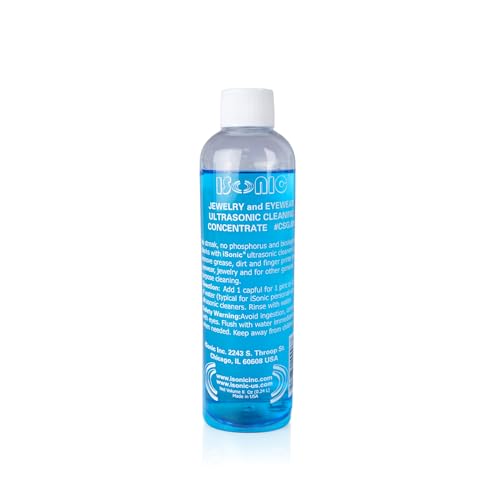
- 14k gold jewelry cleaning kit ultrasonic cleaner
- ultrasonic jewelry cleaner 14k gold
- 14k gold jewelry polishing cloth and cleaning solution set


Before You Start
Prepare a clean, soft workspace and inspect each piece for loose stones or worn prongs. Test for sensitive finishes by cleaning a small, inconspicuous area first. Avoid chlorine-based cleaners, which can weaken gold over time. Time estimates vary: a quick cleaning clocks in a few minutes, while a deeper soak or ultrasonic session may take 5–10 minutes.
Step-By-Step: How To Clean 14k Gold
- Inspect the piece: Check for loose stones and worn settings before cleaning.
- Remove non-gold components: If there are gemstones or enamel, ensure they are safe for cleaning or set them aside.
- Prepare a cleaning solution: Mix warm water with a few drops of mild dish soap in a bowl.
- Soak the jewelry: Submerge only the gold parts for 5–10 minutes to loosen oils.
- Gentle brushing: Use a soft-bristle brush to remove grime from crevices; be gentle around settings.
- Rinse thoroughly: Rinse under lukewarm running water to remove all soap residue.
- Dry and polish: Pat dry with a soft cloth, then buff with a microfiber or polishing cloth to restore shine.
- For ultrasonic use: If using an ultrasonic cleaner, place pieces in a dedicated basket and follow the device instructions for 14k gold safety; avoid delicate settings and porous stones.
- Final inspection: Look for remaining residue and repeat a brief cleaning if necessary.
- Maintain between cleanings: Wipe down with a polishing cloth after wear to reduce buildup.
- Storage tips: Store pieces separately to prevent scratching and contact with other metals.
Troubleshooting
| Symptom | Likely Cause | Fix | Prevention |
|---|---|---|---|
| Dull or cloudy appearance | Soap film or oils trapped in crevices | Re-clean with a soft brush and rinse thoroughly | Rinse completely; dry promptly |
| Scratches or loss of shine | Aggressive scrubbing or abrasive cleaners | Switch to a soft cloth and mild soap | Use gentle motions and appropriate cloths |
| Loose stones after cleaning | Prongs or settings compromised | Do not continue cleaning; seek professional inspection | Regularly inspect settings |
| Discoloration around stones | Harsh cleaners or chemical interaction | Rinse and dry; avoid exposure to chemicals | Use jewelry-safe cleaning methods |
Common Mistakes
- Cleaning 14k gold pieces with harsh abrasives or bleach-based cleaners.
- Soaking pieces with soft stones or porous materials in an ultrasonic bath.
- Using hot water, which can affect certain gemstones and settings.
- Neglecting to rinse completely, leaving soap residue behind.
Tips For Best Results
- Always test a small area first when using new cleaning products.
- Use a dedicated, soft-bristle brush for jewelry cleaning to protect delicate details.
- Polish with a high-quality 14k gold jewelry polishing cloth to maintain luster between cleanings.
- Rotate jewelry use and cleaning frequency based on wear and exposure to lotions or sweat.
- Keep a gentle routine: frequent light cleanings can prevent heavy buildup.
Call A Professional
Seek professional help if you notice loose stones, bent prongs, deep scratches, or if gold shows unusual discoloration after cleaning. If a piece has delicate settings, porous gemstones, or has sentimental value, a jeweler’s inspection ensures safety and preserves the piece’s integrity.
FAQ
Can I use toothpaste to clean 14k gold?
No. Toothpaste can be abrasive and may scratch or dull the finish over time.
Is it safe to use an ultrasonic cleaner for all 14k gold jewelry?
Ultrasonic cleaners are generally safe for solid 14k gold but can damage loose stones or fragile settings.
How often should I clean 14k gold jewelry?
Clean frequently enough to remove oil and lotion buildup, typically every 1–3 weeks for regular wear.
Can cleaning affect the color of yellow, white, or rose gold?
Cleaning itself does not change color; harsh chemicals or extended ultrasonic use can affect certain finishes or coatings.
What should I do if a stone is loose after cleaning?
Stop using the piece and take it to a jeweler for a secure repair.
Buying Guide
Choosing cleaning tools and routines for 14k gold involves several factors. Consider size and design: larger pieces may gather more oils and require longer cleaning or more frequent polishing. Noise level matters for ultrasonic cleaners, especially in shared living spaces. Look for energy efficiency in devices and simple controls that fit your skill level. Placement within your home should be convenient yet secure to prevent accidental drops. Compare cleaning kits that emphasize safe, jewelry-specific solvents and soft brushes. Battery-powered or rechargeable units offer flexibility, while traditional bench cleaners provide customization. Finally, ensure compatibility with 14k gold and avoid any tools that advertise aggressive or abrasive cleaning methods.
Leave a Reply