Get Rid of Gnats Around Plants: Easy Home Remedies
Gnats hovering around houseplants can be a nuisance and signal that the soil is too damp or that there are tiny larvae in the potting mix. This guide provides practical, step-by-step methods to reduce adult gnats and disrupt the life cycle without harming your plants or the indoor environment.
By combining simple monitoring, targeted traps, and moisture management, you can regain control over indoor plant health. The approach emphasizes safe products and straightforward steps that work for most common houseplants in American homes.
Quick Answer
Identify the source by inspecting soil moisture and drainage. Use yellow sticky traps to catch adults, and adjust watering to prevent larvae. Combine with a soak or repotting if needed for lasting relief.
What You’ll Need
- Yellow sticky traps fungus gnats indoor plants
- Gnat trap for houseplants yellow sticky cards
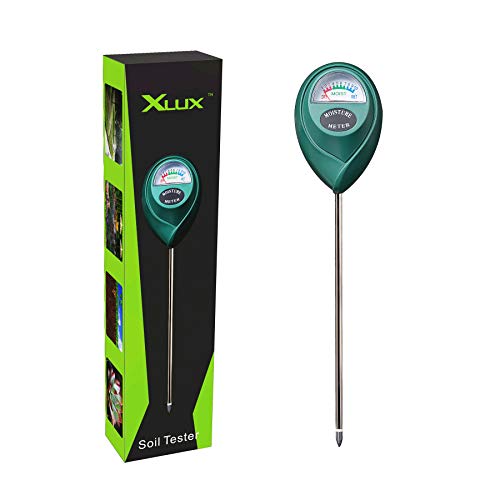
- Soil moisture meter for potted plants


Before You Start
Work in a well-lit area and wear gloves if desired. Remove any standing water from trays under pots and check for drainage issues. This method is safe for most common houseplants, but avoid disturbing roots excessively. Important cautions include not overwatering and ensuring pots have drainage holes. Time estimate: 1–3 weeks for noticeable reductions, with ongoing maintenance to prevent recurrence.
Step-By-Step: How To Get Rid Of Gnats Around Plants
- Observe and confirm: watch for adult gnats near foliage and soil surface, especially after watering.
- Place yellow sticky traps: position traps close to the soil line in several pots to capture flying adults.
- Check soil moisture: insert a soil moisture meter for potted plants to determine whether watering is excessive.
- Adjust watering schedule: allow the top 1–2 inches of soil to dry before watering again for most tropicals and succulents.
- Flush the soil (if safe for the plant): water thoroughly so excess salts and decaying organic matter are leached away.
- Improve drainage: ensure pots have drainage holes and consider repotting with fresh, well-draining potting mix if infestation persists.
- Repeat trap placement weekly: keep yellow sticky cards in place for 2–3 weeks to catch newly emerged adults.
- Consider a targeted soil treatment: for persistent larvae, use a vinyl- or oil-based product labeled for gnats, following label instructions.
- Clean up decaying debris: remove fallen leaves and other organic matter from the soil surface to reduce food sources.
- Monitor ongoing health: recheck soil moisture and plant vigor, adjusting care to maintain balance.
- Integrate preventive habits: water less often, use sterile potting mix, and regularly rotate traps to new positions.
- Evaluate results: after 2–3 weeks, reassess and repeat steps if gnats return or numbers remain high.
Troubleshooting
| Symptom | Likely Cause | Fix | Prevention |
|---|---|---|---|
| Many flying gnats near soil | Adult population high; larvae present | Use traps; reduce watering; consider repotting | Water correctly; improve drainage |
| Soil remains wet after several days | Overwatering; poor drainage | Let topsoil dry; check drainage holes | Use appropriate potting mix; ensure pots drain |
| Gnats return after treatment | Residual larvae or new adults | Extend trap use; refresh soil and traps | Regular monitoring and dry-out periods |
| Yellow traps aren’t catching many gnats | Low adult activity or traps placed poorly | Shift traps to canopy level and near soil | Continue monitoring for a few weeks |
Common Mistakes
- Overwatering plants in an attempt to flush pests
- Ignoring drainage issues and compacted soil
- Relying on traps alone without adjusting watering habits
- Neglecting to clean debris around the pot base
Remember, traps catch adults while the real action happens in soil moisture management and sanitation. Consistency matters more than a single quick fix.
Tips For Best Results
- Place traps at multiple pots to broaden coverage and catch flying adults early.
- Use the soil moisture meter to dial in the precise watering cadence for each plant.
- Rotate problematic pots to different locations to disrupt pest habitats.
- Combine traps with a gentle soil refresh or repotting for long-lasting relief.
- Label and track watering days to avoid soggy soil conditions.
Call A Professional
If gnats persist after 4–6 weeks of consistent treatment, or if you notice root damage, staining on leaves, or unusual plant decline, consult a licensed horticulturist or pest control professional. Seek help sooner if you share living spaces with vulnerable individuals, pets, or sensitive houseplants.
FAQ
Are yellow sticky traps safe for indoor use?
Yes. They are non-toxic and offer a quick way to reduce adult gnats while you address the root causes.
Will repotting help with a gnat infestation?
In many cases, repotting with fresh, sterile potting mix eliminates larvae and stabilizes moisture levels.
How often should I check traps?
Check weekly and replace traps as they lose stickiness or become overcrowded with insects.
Can I use essential oils to repel gnats?
Some essential oils offer mild repellent properties, but they are not a reliable standalone solution for gnats.
Buying Guide
When selecting products to combat gnats around plants, consider size, placement, and compatibility with your setup. For many homes, a combination of yellow sticky traps and soil moisture monitoring provides a solid baseline. Think about how many pots you want to cover and whether you need discrete tools for small spaces or larger planters. If you have sensitive houseplants or pets, verify product safety and avoid harsh chemicals. A staged approach—monitor, trap, and adjust watering—tends to yield the best balance of control and plant health.
Leave a Reply