How to Get Rid of Milk Tongue: Gentle Care for All Ages
Milk tongue, a white coating or film on the tongue, is common in infants and can appear in adults who consume dairy or have reduced saliva flow. This guide explains practical, safe steps to remove milk tongue and keep the mouth comfortable. Emphasis is on gentle cleaning and routine habits that support oral health for families.
By following careful brushing, scraping, and hydration practices, most people can reduce tongue coatings quickly. The advice below uses accessible tools and safe techniques suitable for babies, children, and adults alike.
Quick Answer
Rinse, brush, and gently scrape the tongue daily with a soft or silicone tongue scraper, pair with regular brushing and hydration, and monitor for persistent coating that may require professional guidance.
What You’ll Need
- silicone tongue scraper for babies infant oral care
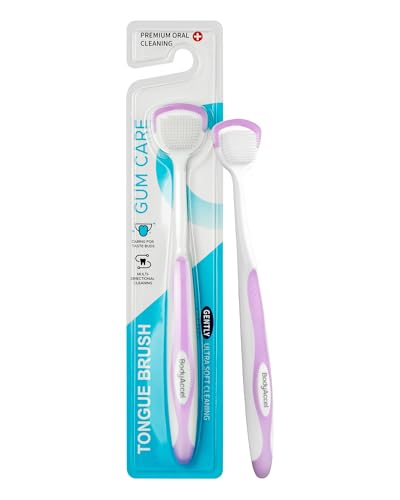
- soft silicone tongue scraper adult dental hygiene
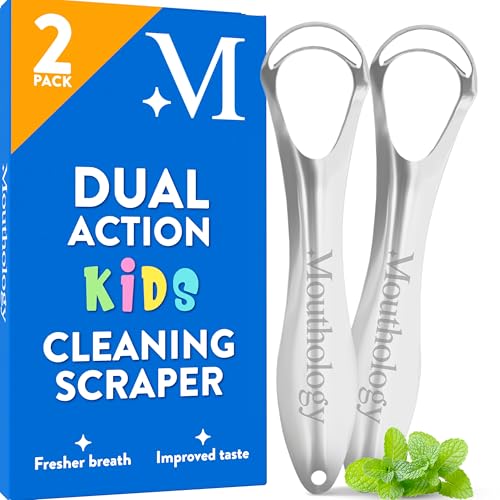
- stainless steel tongue scraper pediatric dentist tool

Before You Start
Ensure hands are clean and your mouth is fresh before handling tongue cleaning tools. Use a gentle touch especially for infants and toddlers to avoid gagging or mouth irritation. Time estimate: 5–10 minutes for initial routine, then 1–2 minutes daily for maintenance. Carefully read product instructions for any age-specific guidance or sensitivity warnings.
Important cautions: do not scrape too aggressively, especially on damaged or irritated tongues. If a persistent white coating lasts more than a week, or is accompanied by fever, pain, or foul breath, consult a healthcare professional.
Step-By-Step: How To Get Rid Of Milk Tongue
- Rinse the mouth with warm water to soften debris and reduce stickiness on the tongue surface.
- Apply a pea-sized amount of toothpaste or fluoride rinse (for adults) and brush gently with a soft-bristled brush to clean the tongue tip.
- Gently glide a silicone tongue scraper for babies infant oral care or soft silicone tongue scraper adult dental hygiene along the center of the tongue from back to tip.
- Rinse the scraper after each pass and repeat 2–3 times, avoiding harsh scrapes that could irritate sensitive tissue.
- For infants and toddlers, use a pediatric-friendly silicone tool and supervise the process to ensure safety.
- Encourage regular hydration to maintain saliva flow, which naturally helps clear tongue coatings.
- In the morning, repeat the cleaning routine before breakfast to reduce morning buildup.
- Brush teeth and rinse again after cleaning the tongue to remove loosened residue.
- Monitor for changes in color or texture; persistent coatings may indicate dehydration, yeast overgrowth, or medical issues requiring evaluation.
- Maintain a daily routine and consider a once-daily cleaning with a stainless steel tongue scraper in older children or adults if recommended by a clinician.
- Keep cleaning tools clean and dry between uses; replace silicone scrapers if they show wear or tearing.
- Complement tongue cleaning with mouthwash or saline rinse if a clinician approves for your age group.
Troubleshooting
| Symptom | Likely Cause | Fix | Prevention |
|---|---|---|---|
| Persistent white coating after brushing | Dehydration or yeast overgrowth | Increase fluids; consult clinician if it persists | Regular hydration and balanced diet |
| Sensation of irritation after scraping | Rough scraper edge or aggressive technique | Switch to a softer scraper; use lighter pressure | Follow gentle, front-to-back strokes |
| Gag reflex during scraping | Scraping too far back on tongue | Limit scraping to the middle to front portion | Practice with infant-safe tools designed for comfort |
| Recurring buildup after cleaning | Dry mouth or mouth breathing | Address underlying causes; consider daily routines | Stay hydrated; use humidifier if needed |
Common Mistakes
- Over-scraping or using excessive force, which can injure tongue tissue.
- Using a harsh metal scraper on sensitive mouths or young children.
- Skipping hydration, which reduces saliva and promotes buildup.
- Rinsing with very strong mouthwash immediately after cleaning, which can irritate tissue.
Sticking to gentle tools and a consistent routine minimizes these pitfalls.
Tips For Best Results
- Combine tongue cleaning with regular brushing and flossing for comprehensive oral hygiene.
- Time cleaning after meals when residues are most noticeable, but avoid right after tooth whitening products unless advised.
- Use a timer or smartphone reminder to build a daily habit, especially for kids.
- Choose a tool appropriate for age: silicone options are versatile and gentle for all ages.
- Store tools dry and clean to prevent microbial growth between uses.
Call A Professional
Seek dental or medical advice if there is: severe tongue pain, bleeding during cleaning, a coating that does not improve after a couple of weeks, or if there are signs of infection. Persistent changes in tongue appearance may warrant evaluation for conditions beyond routine tongue cleaning.
FAQ
What is milk tongue?
Milk tongue refers to a white or creamy coating on the tongue, often due to milk consumption, dehydration, or yeast overgrowth.
Can adults use infant silicone tongue cleaners?
Yes, many adult oral care tools are gentle enough for adults; always choose a tool with a comfortable grip and soft edge.
How often should I scrape my tongue?
Daily brushing and tongue scraping once or twice a day is commonly recommended for routine care.
Is it safe to use stainless steel tools on a baby?
Stainless steel tools are generally used by professionals; for home care, prefer infant-safe silicone scrapers and follow age-appropriate guidance.
When should I see a dentist for tongue coating?
See a dentist if coatings persist despite proper cleaning, are accompanied by pain, or there are changes in color or texture.
Should I use mouthwash after tongue scraping?
Some mouthwashes are suitable after tongue cleaning; follow product instructions and clinician guidance to avoid irritation.
Buying Guide
Choosing the right tongue cleaning tools involves considering size, material, and user age. Look for soft silicone edges for comfort, or stainless steel tools for durability, and ensure there are age-appropriate designs for children. Consider noise level, ease of cleaning, and ease of grip for caregivers. Evaluate how the tool fits into daily routines, especially for families with babies and toddlers. Prioritize tools with smooth edges, BPA-free materials, and clear usage instructions. A versatile set that includes both infant-friendly silicone scrapers and adult-friendly options can simplify family oral care.
Leave a Reply