How to Clean Ubbi Diaper Pail: Quick Guide
Maintaining a clean Ubbi diaper pail helps reduce odors, keep your nursery fresh, and extend the life of the pail’s components. This guide uses practical steps and common tools to simplify the cleaning process for American households.
Quick Answer
To clean an Ubbi diaper pail, empty the bag, rinse the interior, scrub with warm soapy water, disinfect with a gentle solution, rinse, dry, and replace the liner. Regular maintenance between uses keeps odors under control and preserves the pail’s finish.
What You’ll Need
- Ubbi diaper pail cleaning brush
- Non-abrasive sponge or cloth
- Warm water and mild dish soap
- Diaper pail odor eliminator spray for Ubbi
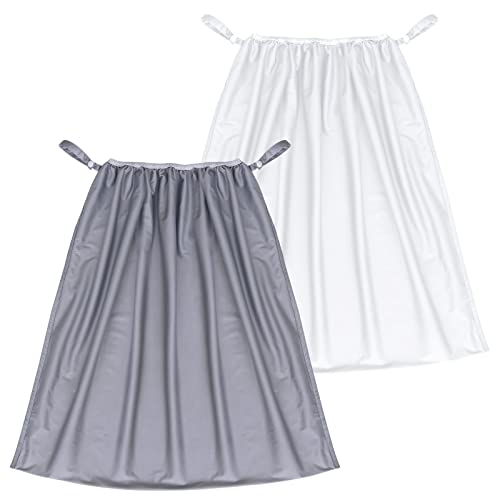
- Ubbi diaper pail liner replacement and cleaning kit
- Optional white vinegar or diluted bleach (as directed on label)
- Disposable gloves (for messy cleaning)


Before You Start
Before cleaning, detach the bag and seal any soiled contents. Work in a well-ventilated area to avoid inhaling strong odors. Do not mix ammonia-based cleaners with bleach, and avoid harsh abrasives that could scratch the pail’s finish. Set a timer for routine cleanups—daily light wipe-downs or weekly full cleans help prevent buildup.
Step-By-Step: How To Clean Ubbi Diaper Pail
- Remove the liner and bag; tie or seal soiled contents to minimize odor exposure.
- Rinse the interior of the pail with warm water to loosen compacted waste and residue.
- Fill a bucket with warm water and a few drops of mild dish soap; dip the Ubbi cleaning brush or sponge.
- Scrub the interior surfaces gently, paying attention to corners and the lid seal where buildup tends to accumulate.
- Rinse thoroughly with clean water to remove soap residue; wipe dry with a clean cloth.
- Spray a gentle odor eliminator designed for Ubbi or a vinegar solution on interior surfaces; allow to air dry.
- Inspect the lid seal and any hinges for signs of wear; wipe them down and lubricate with a small amount of approved product if needed.
- Reinsert a fresh liner from the Ubbi liner replacement kit; secure the bag and test the lid to ensure smooth operation.
Troubleshooting
| Symptom | Likely Cause | Fix | Prevention |
|---|---|---|---|
| Persistent odor after cleaning | Residual residue in seams | Re-clean with mild soap and a dedicated Ubbi brush; dry thoroughly | Clean regularly; consider odor eliminator after each change |
| Lid won’t latch properly | Debris in hinge area | Wipe hinges; remove debris with a q-tip | Keep area clean; wipe after liner changes |
| Streaking or watermarks | Hard water or soap residue | Rinse well; dry with microfiber cloth | Rinse with clean water; dry promptly |
| Carrier or liner tearing | Rough handling during changes | Handle gently; replace worn liners | Use appropriate Ubbi liner kit; avoid overfilling |
Common Mistakes
- Using harsh chemicals that could damage the pail’s surface or seal
- Skipping the interior rinse, leaving soap residues that cause odors
- Not drying the interior fully, which invites mold growth
- Overly aggressive scrubbing that scratches the finish
Addressing these missteps keeps the Ubbi diaper pail looking and smelling fresh between uses.
Tips For Best Results
- Establish a routine: quick wipe-down after every bag change and a deeper clean weekly.
- Use the Ubbi odor eliminator spray to manage lingering scents without overpowering fragrances.
- Keep a dedicated brush for the pail interior to prevent cross-contamination with other cleaning tools.
- Store cleaning supplies out of reach of children and away from food areas.
- For hard water areas, consider a mild vinegar rinse prior to the final rinse to reduce mineral buildup.
Call A Professional
Contact a professional cleaner if the pail shows persistent mold growth, structural damage to the lid or seals, or if odors remain despite multiple cleanings. Seek professional help immediately if there are signs of leaks or compromised safety features.
FAQ
How often should I clean the Ubbi diaper pail?
Perform a quick wipe-down after each bag change and schedule a deeper cleaning weekly or biweekly, depending on usage and diaper load.
Can I use bleach on the Ubbi pail?
Only if labeled safe for plastic and the product is diluted according to the manufacturer’s instructions; otherwise, opt for milder cleaners to protect the finish.
What scent or spray is best for Ubbi pails?
Choose a diaper pail odor eliminator spray specifically formulated for Ubbi to avoid residue and compatibility issues with seals.
Is it safe to use white vinegar for cleaning?
Yes, in a diluted solution; rinse well to avoid any strong scent and ensure compatibility with the pail’s materials.
Buying Guide
When choosing accessories for the Ubbi diaper pail, consider size compatibility, noise level of any action parts, energy-use of integrated features, and ease of maintenance. A compatible liner replacement kit should fit snugly and seal well to minimize leaks. Look for tools specifically designed for Ubbi to ensure a good fit with the pail geometry. Placement matters too: position the pail in a cool, ventilated area away from direct sunlight to preserve plastic integrity and prevent odors from concentrating. If the pail is used in a shared nursery, consider a discreet model with a hands-free operating option for convenience and hygiene.
Leave a Reply