How to Clean Food Grade Silicone Safely
Food grade silicone is a versatile, durable material used in baking mats, spatulas, and cookware. Proper cleaning keeps it nonstick, odor-free, and free of residue that could transfer to food. This guide walks through simple, practical methods suitable for home kitchens in the United States.
Quick Answer
Rinse with warm water, wash with mild dish soap, and scrub with a soft brush or sponge. For stubborn buildup, soak in warm, soapy water or use a paste of baking soda and water. Dry completely before storage to prevent odor and mold. Avoid sharp tools that can scratch silicone and keep it away from high heat or direct flame.
What You’ll Need
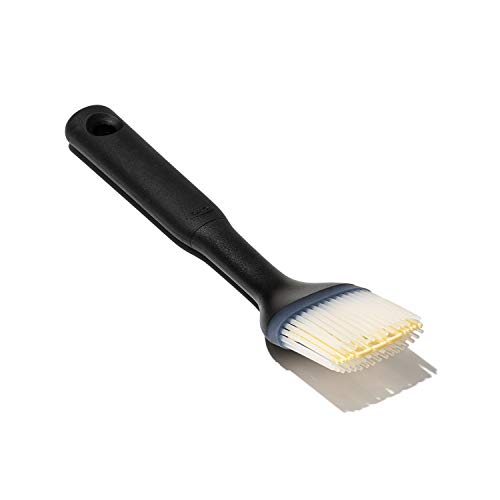
- Silicone baking mat cleaning brush
- Silicone spatula scrubber brush
- Food grade silicone scrubber for cookware
- Non-abrasive sponge or soft-bristle brush
- Mild dish soap
- Warm water
- Optional: baking soda
- Optional: white vinegar


Before You Start
Prepare a clean workspace and ensure the silicone items are cool to touch. Avoid using abrasive pads, knives, or metal brushes that can scratch or degrade the surface. For dishwasher use, check labels, as some silicone items are top-rack dishwasher safe, while others may benefit from hand washing. Time estimate: 5–20 minutes per item, depending on buildup.
Step-By-Step: How To Clean Food Grade Silicone
- Rinse the silicone under warm running water to remove loose debris and residue.
- Apply a small amount of mild dish soap and lather with a soft sponge or brush.
- Gently scrub in circular motions, paying attention to crevices on mats or handles where grime collects.
- For stubborn stains, make a paste from baking soda and water, apply, and let sit for 5–10 minutes before scrubbing.
- Rinse thoroughly until no soap remains; residual soap can affect taste and odor.
- Dry with a clean towel or air dry completely on a rack before storing to prevent moisture buildup.
- Inspect for any residual odor; if present, wash again or soak in a solution of 1 part white vinegar to 3 parts water for 15 minutes, then rinse well.
- For items with strong color staining, repeat washing or use a dedicated silicone-safe cleaner if needed.
- Store silicone items in a cool, dry place away from direct sunlight to maintain flexibility and prevent yellowing.
- If washing near food-contact surfaces, ensure items are fully dry before reusing or stacking with other utensils.
- Disinfect silicone occasionally by boiling in water for 2–3 minutes if the manufacturer confirms heat tolerance; allow to cool fully before handling.
- Regular maintenance: clean after each use to avoid buildup that is harder to remove later.
Troubleshooting
| Symptom | Likely Cause | Fix | Prevention |
|---|---|---|---|
| Sticky residue after washing | Soap residue or oil siloxane buildup | Rewash with a mild detergent and a non-abrasive brush | Rinse thoroughly; use warm water when washing |
| Persistent odor | Food oils absorbed into silicone | Soak in 1:3 white vinegar solution, then rinse | Wash promptly after use; avoid leaving food on silicone |
| Discoloration | Deep stains from certain foods; color migration | Apply baking soda paste; if needed, repeat | Avoid storing with strongly colored foods |
| Melting or warping at high heat | Excessive heat exposure | Discard or replace if integrity is compromised | Follow manufacturer temperature guidelines |
| Surface scratches | Hard-bristle brushes or metal tools | Switch to soft silicone brush or sponge | Use gentle cleaning tools only |
Common Mistakes
- Using abrasive scrubbers that scratch the silicone surface
- Overheating silicone items during cleaning or storage
- Assuming all silicone is dishwasher safe without checking care labels
- Letting damp silicone items pile up to trap odors or mold
Tips For Best Results
- Keep a dedicated silicone cleaning brush set for cookware-grade materials to avoid cross-contamination with metal utensils
- After washing, air-dry silicone pieces on a clean rack to ensure complete dryness
- For mats, place them flat or hang to prevent creases that trap residue
- Store away from direct sunlight to prevent color fading and material degradation
- Label silicone items with care instructions if you have a mixed collection of kitchen tools
Call A Professional
Most silicone cleaning does not require a professional, but seek help if you notice cracking, significant splitting, or a strong persistent odor that does not respond to standard cleaning. Also contact a professional if a silicone item is damaged in a way that could expose raw material or compromise food safety.
FAQ
Is silicone safe to clean in the dishwasher?
Many silicone items are top-rack dishwasher safe, but always check the label. If unsure, hand wash to avoid heat or harsh cycles that could affect shape.
Can I use vinegar to remove odors from silicone?
Yes. A white vinegar solution can help neutralize odors. Rinse thoroughly after soaking.
What’s the best brush for cleaning silicone?
A soft-bristle brush or silicone scrubber brush works best to avoid scratching.
How do I prevent staining on silicone mats?
Rinse promptly after use and consider a brief soak in a baking soda paste for stubborn marks.
Buying Guide
Choosing the right cleaning tools for food grade silicone depends on several factors. Consider size and shape: mats, spatulas, and scrubbers come in various dimensions designed for different cookware and surfaces. Noise level matters: soft brushes and non-scratch pads minimize scraping sounds during cleaning. Energy efficiency is not a major concern for cleaning, but choosing hand-wash or gentle cycle options in a dishwasher can save water and time.
Controls and settings matter when using a dishwasher or heat-based methods; verify temperatures and cycle options that align with silicone cookware care. Placement in storage should minimize bending or creasing that could trap grime. By comparing materials, you’ll find a silicone-specific cleaning kit with a silicone baking mat cleaning brush, a silicone spatula scrubber brush, and a food grade silicone scrubber for cookware tailored for long-term upkeep.
In practice, a small, dedicated cleaning set streamlines routine care: use it after each use, and you’ll maintain nonstick properties and extend the life of silicone kitchen essentials. When evaluating options, look for durable bristles, non-abrasive surfaces, and packaging that clearly states silicone-safe materials. With thoughtful selection, clean silicone remains a reliable workhorse in the American kitchen. Questions about fit for your cookware stack? Consider how the tools align with your typical cleaning routine and storage space.
Leave a Reply