Eliminate Mildew Odor From Your Washing Machine
Using a washing machine that smells musty can leave clothes with an unpleasant odor and raise concerns about cleanliness. This guide explains practical, step-by-step methods tailored for American homes to remove mildew odor from front-load and top-load machines alike. It emphasizes safe cleaning routines, effective products, and maintenance habits that keep odors at bay.
Quick Answer
Quick method: Run a hot cycle with a washing machine cleaner or mildew odor remover, clean the gasket and dispensers, then leave the door ajar between uses to air out the drum.
If odor persists: Use a dedicated descaler and cleaner tablet or gasket cleaner spray to target mold growth and mineral buildup in hard-to-reach areas.
What You’ll Need
- Washing machine cleaning tablets mildew odor remover front load
- Front load washer gasket cleaner spray mold mildew
- Washing machine odor eliminator descaler and cleaner tablets

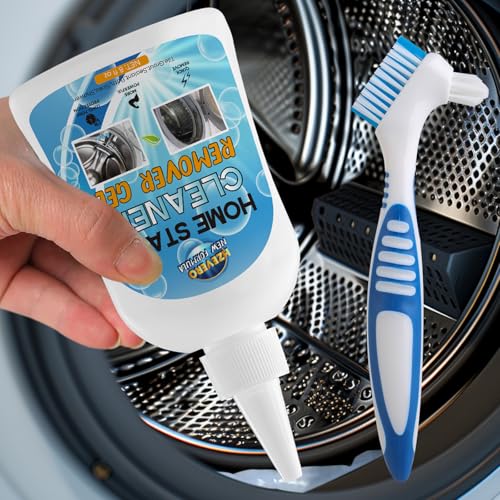
Before You Start
Before cleaning, unplug the machine if accessible and ensure the drum is empty. For front-load units, wipe the door seal (gasket) to remove visible mold and moisture. Use hot water cycles when possible, as heat helps break down residues. Careful not to mix chemicals and always follow product directions. Plan for a 60–90 minute cleaning window, plus extra time for drying and airing out after treatment.
Step-By-Step: How To Get Rid Of Moldy Smell In A Washing Machine
- Remove all laundry and run a quick initial rinse to clear loose debris from the drum.
- Place a washing machine cleaning tablet in the drum or add the recommended tablet according to the product instructions.
- Run the hottest cycle available with the unit empty, selecting an extended wash to maximize cleaning action.
- While the cycle runs, inspect the door gasket and wipe away visible mold buildup with a dedicated gasket cleaner spray.
- After the main cycle finishes, run a second hot cycle using a washing machine odor eliminator or descaler and cleaner tablet to tackle mineral deposits.
- Vacuum or wipe down the detergent dispenser and fill lines; remove any residue that could harbor mold.
- Open the door and leave it ajar to promote airflow; remove the gasket area’s moisture with a dry cloth if needed.
- For persistent odor, repeat the cleaning cycle every 1–2 weeks for a couple of cycles, then switch to a monthly maintenance routine.
- Establish a routine: wipe the gasket after each use, use the hottest cycle monthly, and store detergents in a dry, ventilated area.
- Consider a secondary cleaning with a gasket cleaner spray focused on hard-to-reach folds if mildew returns.
- Keep a small window or vent nearby to reduce humidity in the laundry space and help dry the drum quicker between uses.
Troubleshooting
| Symptom | Likely Cause | Fix | Prevention |
|---|---|---|---|
| Persistent musty smell after cleaning | Residual mold in gasket folds | Apply gasket cleaner spray and re-clean using hot cycles | Wipe gasket dry after every use |
| Smell returns within a few weeks | Mineral buildup or trapped moisture | Run a monthly descaler and cleaner tablet cycle | Leave door ajar after cycles |
| Water leaks from door seal | Damaged gasket or improper seating | Inspect and replace gasket if needed | Ensure door seals are cleaned and dried |
| Dispenser smells moldy | Residue buildup in detergent compartments | Clean dispensers thoroughly with warm water and mild cleaner | Rinse after each use and air dry |
Common Mistakes
- Using only a rinse cycle without addressing mold in the gasket and dispensers.
- Ignoring regular maintenance; letting humidity linger in the drum and door area.
- Mixing strong cleaners or using too many products at once, which can leave strong chemical odors.
- Failing to air out the machine after cleaning, which promotes quick re-moisture and mold growth.
Tips For Best Results
Consistency matters. Schedule a monthly deep clean and a quarterly gasket check. Use the hottest cycle allowed by your machine when cleaning, and always rinse and dry the drum and dispenser areas thoroughly. If your water is hard, a mineral buildup cleaner helps prevent scale that fosters odors. Keep the laundry room ventilated—humidity is a primary driver of mildew formation.
Call A Professional
Stop signs to seek professional help include persistent mildew despite repeated cleanings, visible mold that seems to be growing behind panels, or a persistent odor after multiple maintenance cycles. If doors won’t seal properly or there is significant water leakage, contact an appliance technician to inspect for seal damage or plumbing issues.
FAQ
What causes mildew smell in a washing machine?
Most odors stem from moisture trapped in the door gasket, residue in dispensers, or mineral buildup in the drum and water lines.
Can I use household cleaners to remove mold?
Only if the product is labeled for appliance cleaning; avoid mixing cleaners and follow the manufacturer’s instructions on safe use.
How often should I clean my washing machine?
Deep clean monthly and perform maintenance cycles every 1–3 months depending on usage and water quality.
Is it safe to leave the washer door open after use?
Yes. Leaving the door ajar helps air out the drum and reduces moisture that promotes mildew.
Should I run a vinegar cycle for odor removal?
Vinegar can help in some cases but may not be suitable for all machines or warranty conditions; use only if the manufacturer approves.
What maintenance steps are best for high-efficiency washers?
High-efficiency units benefit from tablet-based cleaners and gasket-focused cleaning, followed by thorough drying of all areas after each wash.
Buying Guide
Choosing the right products and maintenance plan depends on machine type and odor severity. For front-load washers, focusing on gasket cleaners and odor-eliminating tablets is effective. Consider the following factors when shopping:
- Size and compatibility: Ensure tablets or cleaners are labeled for your washer model type (front-load versus top-load).
- Odor and mineral buildup strength: Look for products that address mold, mildew, and descaling in one formula.
- Ease of use: Pre-measured tablets and spray cleaners simplify routine maintenance.
- Energy efficiency and cycle temps: Choose cleaners that work well with hot cycles if your unit supports them to maximize efficacy.
- Placement and ventilation: Place the products in a dry, accessible area near the washer; improve room ventilation to reduce humidity.
When comparing options, read labels for safety guidelines and ensure compatibility with your machine’s warranty. A proactive maintenance routine often yields the best long-term results and keeps clothes smelling fresh.
Leave a Reply