Step-by-Step Guide to Clean Stainless Steel Surfaces Effectively
Stainless steel appliances and fixtures add a sleek, modern look to homes, but keeping them spotless requires the right techniques and products. This guide explains practical methods to remove fingerprints, smudges, and water spots while preserving the finish of stainless steel in American kitchens and bathrooms.
Quick Answer
For quick results, apply a dedicated stainless steel cleaner spray with a microfiber cloth, wipe with the grain, then buff to a shine. For stubborn spots, use a non-scratch nylon sponge with a gentle cleaning paste, followed by a final buff with a microfiber cloth.
What You’ll Need
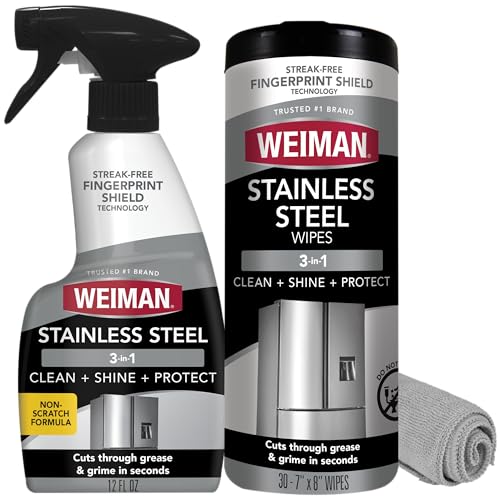
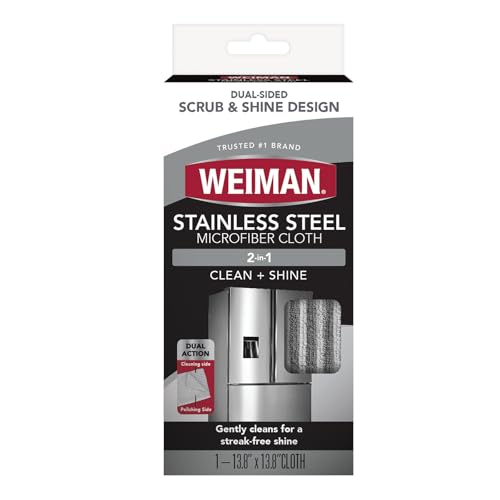
- Stainless steel cleaner spray with microfiber cloth kit
- Stainless steel appliance scrub pad non-scratch nylon sponge 3-pack
- Stainless steel polishing cream 8 oz with soft microfiber cloth

Before You Start
Clear the area around the surface to be cleaned and remove any objects that might snag on corners. Work in a well-lit space and use a soft, lint-free cloth. Avoid abrasive pads or harsh detergents, which can dull the finish. If you are cleaning a range hood or oven, ensure the appliance is cool before you begin. Plan for 15–30 minutes per session for best results.
Test any cleaner on a small, inconspicuous area first to confirm it does not discolor or etch the surface. Keep cleaning products out of reach of children and pets. If you notice discoloration or deep scratches, consider professional help for repairs or refinishing.
Step-By-Step: How To Clean Stainless Steel
- Prepare the surface by removing loose dust or crumbs with a dry microfiber cloth. This minimizes scratching during the cleaning process.
- Apply a light mist of stainless steel cleaner spray to the cloth, not directly onto the surface, to prevent drips and streaks.
- Wipe in the direction of the grain with even pressure. Circular motions can spread smudges and become streaky on larger surfaces.
- If smudges remain, use a non-scratch nylon sponge with a small amount of cleaning paste. Work gently to lift residues without removing the protective coating.
- Rinse or wipe away any residue with a clean, damp microfiber cloth. Ensure no cleaner is left behind, as it can attract more dirt over time.
- Buff the surface with a soft microfiber cloth or the included polishing cloth to achieve a uniform shine. This step reduces water spots and enhances luster.
- For persistent fingerprints, reapply a light coat of cleaner and buff again. Avoid over-wetting the area, which can leave pools that dry unevenly.
- Finish by applying a small amount of stainless steel polishing cream with a microfiber cloth. Rub in the direction of the grain until the surface gleams and feels smooth.
- Wipe away any excess cream with a clean cloth and inspect for uniform brightness. Repeat only on areas that still appear dull or streaky.
- Dispose of used cloths properly and store products in a cool, dry place away from heat sources and direct sunlight to extend their effectiveness.
- Regular maintenance: wipe weekly with cleaner and microfiber cloths to prevent buildup and maintain a showroom-like finish.
Troubleshooting
| Symptom | Likely Cause | Fix | Prevention |
|---|---|---|---|
| Streaks after cleaning | Residue left from cleaner or pastes | Buff with clean microfiber cloth; avoid over-application | Use the recommended amount; wipe with the grain |
| Faint dulling on finish | Use of abrasive sponge or harsh chemicals | Switch to non-scratch nylon sponge and approved cleaner | Test products first; clean regularly |
| Sticky residue | Incomplete rinse of cleaner or polish | Wipe with damp cloth, then dry thoroughly | Rinse lightly after cleaning; dry surfaces |
| Water spots after drying | Hard water minerals | Polish with microfiber cloth and dry completely | Dry surfaces after cleaning; use distilled water for sprays |
Common Mistakes
- Using abrasive scrub pads on stainless steel finishes
- Spraying cleaner directly onto appliances and wiping back-to-front
- Skipping the grain direction, which creates visible lines
- Over-wetting surfaces or leaving cleaner to dry on the surface
By avoiding these missteps, stainless steel surfaces stay evenly bright and free of swirl marks.
Tips For Best Results
- Always wipe in the direction of the grain to minimize scratches and streaks.
- Use a fresh microfiber cloth for each cleaning session to prevent transferring dirt.
- Apply polish sparingly; a little goes a long way for a lasting shine.
- Maintain a routine: light cleaning weekly plus deeper clean every few months.
- Store cleaners away from heat and sunlight to preserve effectiveness.
Call A Professional
Consider a pro if you notice deep scratches, persistent dulling, or corrosion that worsens over time. Signs to seek professional help include visible rust, pitting, or finish peeling beyond home repair capacity. In these cases, refinishing or replacement may be the best long-term solution.
FAQ
Can I use vinegar or lemon juice on stainless steel?
Vinegar and lemon juice are acidic and can help remove light grime, but they may dull or etch the surface if used frequently. Use them sparingly and always rinse well with clean water afterward.
Is it safe to use the microfiber cloth kit on all stainless steel surfaces?
Yes, microfiber cloths are generally safe on most stainless steel appliances, but test in a small area first and avoid rough surfaces or abrasive residues.
How often should I polish stainless steel appliances?
Polishing monthly or every few months helps maintain shine, especially in high-traffic kitchens.
Do I need to remove polish before cooking or food prep?
Polish is cosmetic; wipe away any excess before preparing food. Rinse surfaces as needed to remove any residue.
What should I do if there are streaks after cleaning?
Wipe with a clean, dry microfiber cloth in the direction of the grain until streaks disappear.
Is a non-scratch scrub pad necessary?
Non-scratch pads help remove more stubborn spots without scratching the surface. Pair with a mild cleaner and polish for best results.
Buying Guide
When selecting products to maintain stainless steel, consider several factors to optimize results and cost efficiency.
Size and coverage: Choose cleaners and polishes that suit the size of your appliances. Kits with multiple tools can save time for larger households.
Noise level: Cleaning efficiency is often better with a gentle, non-abrasive approach; avoid noisy, harsh scrubbing tools that can scratch surfaces.
Energy and materials efficiency: Look for products with concentrated formulas that require less product per use and come with reusable cloths.
Controls and ease of use: Simple spray systems and ready-to-use polishes reduce guesswork and improve consistency.
Placement: Store cleaners away from heat sources; keep microfiber cloths clean and accessible near the cleaning area for quick touch-ups.
For most homes, a coordinated kit featuring a stainless steel cleaner spray with microfiber cloth, a non-scratch scrub pad, and a polishing cream provides a complete, repeatable routine that keeps stainless steel surfaces looking like new.
Leave a Reply