How to Clean a Film Camera Safely
Film cameras require careful maintenance to ensure optimal image quality and longevity. Regular cleaning helps prevent dust, fingerprints, and debris from affecting lenses, film backs, and the sensor area in digital-adapted setups. This guide provides practical, step-by-step directions using common film camera cleaning tools and supplies available in the U.S. market.
Quick Answer
Use a gentle approach: start with a microfiber cloth and air blower for the exterior and lenses, then use lens cleaning solution and dedicated camera sensor cleaning swabs for delicate surfaces. Avoid harsh chemicals and never spray cleaners directly onto any camera part.
What You’ll Need
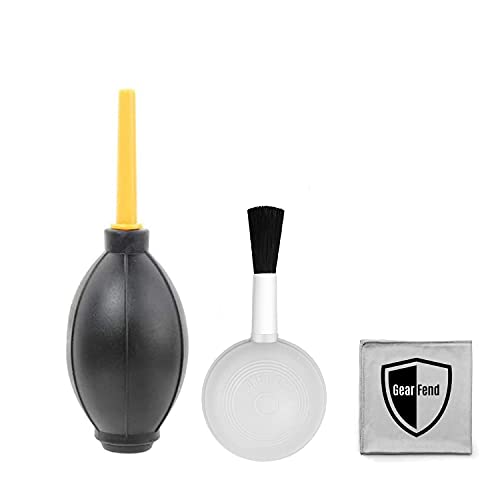
- 35mm film camera cleaning kit microfiber cloth air blower
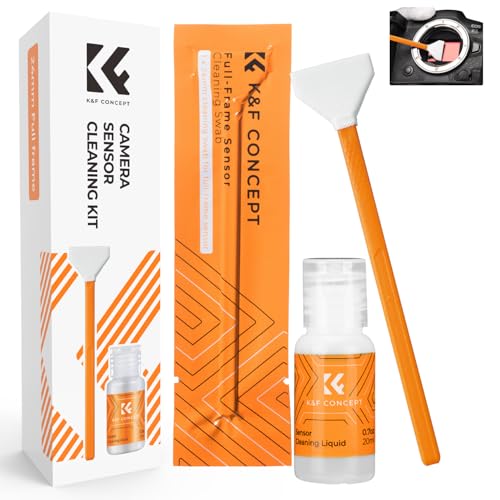
- camera sensor cleaning swabs for film cameras
- lens cleaning solution microfiber cloth set for film camera

Before You Start
Prepare a clean, dust-free workspace with good lighting. Work in a room free of strong humidity or temperature fluctuations to prevent condensation. Before handling, remove any loaded film or batteries if possible. Do not apply liquid cleaners directly to the camera body to avoid potential damage. Allow components to dry fully before reassembling.
Step-By-Step: How To Clean A Film Camera
- Detach removable parts such as lenses and viewfinders if your model allows. This enables thorough cleaning of the mount and rear elements.
- Use an air blower to dislodge loose dust from the exterior, focusing on the film back, mirror box (if applicable), and mount areas.
- Gently wipe the camera body with a microfiber cloth to remove fingerprints and oil. Use a minimal amount of cleaner on the cloth only if needed; never apply cleaner directly to the surface.
- For lens surfaces, apply a small amount of lens cleaning solution to a microfiber cloth or use pre-moistened wipes designed for camera lenses. Wipe in a circular motion from the center outward to avoid streaks.
- Clean the lens rear element and focusing screens with care. If allowed by your lens, remove the front element carefully to access internal dust using the blower.
- Inspect the film back and insert area for dust. If your camera accepts sensor cleaning swabs, follow manufacturer guidance for cleaning the sensor area or inner components—never touch the sensor with bare hands.
- Reassemble the camera, reinsert batteries and/or film as appropriate, and perform a quick exterior wipe to remove any residual dust released during assembly.
- Test by taking a blank shot or dry-run to ensure no smudges appear on captured frames and that the mirror and shutter operate smoothly.
- Store the camera in a clean, dry space with lens caps on and a protective case for future use.
- If any stubborn grime remains on the sensor or interior surfaces, seek professional cleaning to avoid damage.
Troubleshooting
| Symptom | Likely Cause | Fix | Prevention |
|---|---|---|---|
| Dust appears in images after cleaning | Residual dust in the sensor area or on the lens element | Re-clean with appropriate swabs or lens cloth; avoid over-wiping | Clean in a dust-free environment; handle parts by edges |
| Streaks on photos after cleaning | Cleaner residue or improper drying | Use a dry microfiber cloth; re-wipe with minimal cleaner | Use high-quality lens cleaning solutions; apply sparingly |
| Shutter or mirror feels gritty | Debris on internal mechanisms | Consult a professional; do not force components | Gentle exterior clean; avoid touching interior parts |
| No light passes when film back is opened | Seals and gaskets dusty or damaged | Professional inspection; replace seals if needed | Regular maintenance to prevent seal degradation |
Common Mistakes
- Using household cleaners on camera surfaces
- Spraying liquids directly onto lenses or sensors
- Touching sensor or interior optics with fingers
- Rushing the cleaning process and skipping dust removal steps
Attention to detail helps extend the life of a film camera and keeps image quality high. Rushing can lead to scratches or residue that are difficult to remove.
Tips For Best Results
- Always work in a clean, low-dust environment and avoid fans or breezes that carry dust particles.
- Use quality, purpose-made tools designed for camera maintenance to minimize risk.
- Handle lenses by the edges and never touch the optical surfaces with bare fingers.
- Store your camera with lens caps on and in a padded, breathable bag or case.
- Label and organize cleaning tools to prevent cross-contamination between lenses and bodies.
Call A Professional
Stop and seek professional assistance if you notice any of the following: persistent dust in the sensor area after multiple cleanings, scratches on the lens coating, moisture ingress, or malfunctioning shutter mechanisms. Do not attempt deep cleaning beyond your comfort level, as improper techniques can cause irreversible damage.
FAQ
How often should I clean a film camera?
Light cleaning should be done before and after shoots, with deeper cleaning as needed when image quality declines or dust is visible in frames.
Can I use a regular microfiber cloth for camera cleaning?
Yes, microfiber cloths work well when designed for optics. Use only lint-free, camera-grade cloths for best results.
Is it safe to use alcohol or water on camera parts?
Avoid pure isopropyl alcohol on sensitive coatings and never use water on the sensor. Use dedicated lens solutions and manufacturer-recommended cleaners.
What should I do if dust won’t come off the sensor?
Use camera-specific sensor cleaning swabs or consult a professional sensor cleaning service to prevent damage.
Are lens cleaning wipes safe for telephoto lenses?
Yes, but choose wipes designed for optics and apply gently from the center outward to avoid streaks.
Can cleaning affect autofocus performance?
Proper cleaning should not affect autofocus; improper handling near sensitive areas can cause alignment issues, so follow the manufacturer’s guidance.
Buying Guide
Choosing the right cleaning tools for a film camera involves several factors. Consider the size and type of your camera, the number of lenses, and whether you plan on frequent field cleaning. Size matters for portability, but effectiveness matters more; compact kits should still include a blower, microfiber cloths, and lens-safe cleaners. Noise-level considerations are less relevant for manual cleaning, but choose quiet, non-abrasive tools to avoid scratches. Energy efficiency is not a major concern for cleaning gear, but long-lasting microfiber cloths reduce waste. Look for controls that keep liquids away from sensitive areas, and store tools in a dedicated bag or case to prevent contamination. Finally, consider where you’ll clean most often; a dedicated, dust-free space with good lighting makes cleaning safer and faster. If you own multiple lenses or a sensor-equipped model, a larger kit with swabs and protective cases can save time and reduce risk during maintenance.
Leave a Reply