How to Get Rid of Brittle Hair and Restore Shine
Brittle hair can break easily, look dull, and feel stiff to the touch. With a targeted routine that protects moisture, reduces damage, and uses gentle styling tools, you can revive hair health over weeks rather than months. This guide combines practical steps with product-focused tips to help American readers restore elasticity and softness.
The approach emphasizes understanding causes, optimizing washing and conditioning, and selecting the right tools. A consistent routine can minimize breakage, improve manageability, and prevent future brittleness.
Quick Answer
Focus on moisture, gentle handling, and temperature-controlled styling. Use a wide-tooth detangling comb for knots, a boar bristle brush to distribute natural oils, and a ceramic flat iron at low heat only on damp or dry hair to seal in moisture. Avoid harsh shampoos, reduce heat exposure, and apply leave-in conditioners or hair masks weekly.
What You’ll Need
- Boar Bristle Brush For Brittle Hair
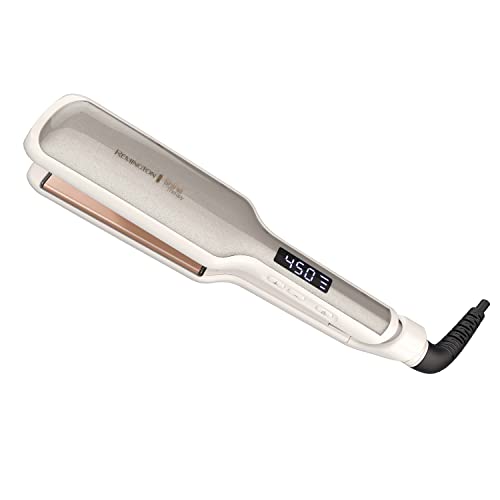
- Ceramic Flat Iron For Damaged Brittle Hair
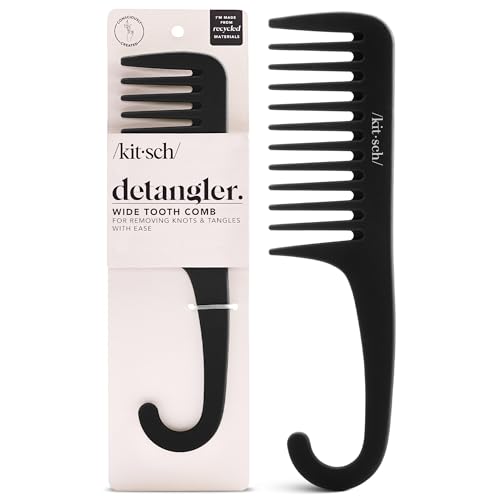
- Wide-Tooth Detangling Comb For Knotted Brittle Hair
- Gentle, sulfate-free Shampoo
- Hydrating Conditioner
- Leave-In Conditioner Or Hair Serum
- Deep Conditioning Hair Mask (weekly)
- Microfiber Towel Or T-shirt For Drying

Before You Start
Assess your hair type and level of brittleness. Start with a gentle cleansing routine, avoiding heat on the most fragile days. Protect color-treated hair by using color-safe formulas and keeping styling heat at a lower setting. Plan for a weekly deep conditioning session and consistent brushing from ends to roots to minimize breakage. Estimated time: 20–45 minutes per wash day, plus 1–2 hours for a deep-conditioning treatment on weekends.
Step-By-Step: How To Rehabilitate Brittle Hair
- Wash with a sulfate-free shampoo to avoid stripping natural oils; rinse thoroughly with cool water to close cuticles.
- Apply a hydrating conditioner focusing on mid-lengths to ends; leave for 1–2 minutes to absorb moisture.
- Gently detangle using a wide-tooth detangling comb starting at the ends and working upward to prevent snapping.
- Pat hair dry with a microfiber towel or a soft cotton T-shirt to reduce friction and frizz.
- Apply a leave-in conditioner or hair serum to damp hair to lock in moisture and smooth frizz.
- Brush with a boar bristle brush from ends to roots to distribute scalp oils and reinforce natural moisture balance.
- When heat styling is necessary, set the ceramic flat iron to the lowest effective temperature and work in small sections.
- Limit heat sessions to 2–3 times per week; always use a heat protection spray prior to styling.
- Once a week, treat hair with a deep conditioning mask or oil treatment and leave on as directed for intensive repair.
- Cool-water rinse at the end of a wash helps seal the cuticle and retain moisture.
- Monitor progress by noting how hair responds to brushing and heat; adjust products if buildup or heaviness appears.
- Protect hair at night with a satin pillowcase or wrap to reduce friction and moisture loss.
Troubleshooting
| Symptom | Likely Cause | Fix | Prevention |
|---|---|---|---|
| Excess breakage after brushing | Aggressive brushing or dry hair | Switch to wide-tooth detangling comb; brush only on damp hair | Always use moisture-rich products |
| Flat, lifeless strands | Insufficient moisture or heavy product buildup | Clarify lightly and rehydrate with masks | Rotate lightweight formulas; avoid heavy styling oils daily |
| Frizz and flyaways | Dry cuticles and environmental stress | Use leave-in conditioner and a silicone-free serum | Minimize heat; shield hair with UV protection products |
| Heat damage with brittle ends | Excess heat exposure | Limit heat; always use heat protectant | Alternate with air-drying methods |
Common Mistakes
- Overwashing hair that’s naturally dry, which strips essential oils.
- Using harsh clarifying products too often.
- Neglecting the ends—split ends accelerate brittleness.
- Applying heavy oils or butters before blow-drying without protection.
- Brushing aggressively when hair is dry or tangled.
Tips For Best Results
- Introduce moisture gradually; sudden shifts in routine can shock hair.
- Pair a wide-tooth detangling comb with a leave-in conditioner for best glide.
- Apply products while hair is damp to maximize absorption and minimize weight.
- Limit chemical treatments that further dry hair and seek professional guidance for color care.
- Maintain a balanced diet and stay hydrated to support hair health from within.
Call A Professional
Seek a professional if brittleness persists after several weeks of a gentle routine or if you notice excessive shedding, scalp irritation, or visible damage that seems to worsen. If you have chemical treatments, medical conditions, or ongoing hair loss concerns, consult a dermatologist or licensed cosmetologist for tailored guidance.
FAQ
How often should I deep condition brittle hair?
Most people benefit from a weekly deep conditioning treatment, with more frequent use if hair remains very dry or damaged.
Can I use a ceramic flat iron on brittle hair?
Yes, but only at the lowest effective temperature and with a heat protectant to minimize additional damage.
What ingredients should I avoid for brittle hair?
Avoid high-alcohol styling products and harsh sulfates; opt for sulfate-free formulas and silicone-balanced serums as needed.
Is a boar bristle brush good for brittle hair?
When used correctly, a boar bristle brush helps distribute oils and reduce frizz, supporting moisture retention without excessive pulling.
Should I skip heat styling entirely?
To protect hair, minimize heat use and rely on air-drying, then use heat only on special occasions with protection.
What are signs of improvement to look for?
Longer, smoother strands with fewer breaks, improved elasticity, and less frizz indicate progress.
Buying Guide
Choosing the right tools and products can make a meaningful difference in rehabilitating brittle hair. Consider the following factors to compare options and tailor selections to your routine.
- Size and weight: Lightweight tools reduce hand fatigue and allow better control during styling.
- Heat settings: For ceramic flat irons, look for adjustable temperatures and a true heat-off feature. Lower settings help protect fragile strands.
- Noise level: Quiet devices improve comfort during daily use, especially in shared living spaces.
- Energy efficiency: Energy-efficient styling tools use less power and stay cooler during operation.
- Controls and safety: Look for auto shut-off, heat protection, and cool-to-touch features to prevent accidents.
- <bPlacement and use: Standalone tools with ergonomic grips are easier to handle and reduce tension in wrists and shoulders.
When comparing products, prioritize moisture-preserving formulas and tools designed for delicate hair. The recommended trio—boar bristle brush for brittle hair, ceramic flat iron for damaged brittle hair, and wide-tooth detangling comb for knotted brittle hair—offers a cohesive approach to breakage reduction and daily upkeep.
Leave a Reply