How to Get Rid of Ammonia in a Freshwater Aquarium
Maintaining a healthy freshwater tank hinges on managing ammonia levels. Ammonia, a toxic waste product from fish waste, uneaten food, and decaying plants, can cause stress, disease, and even fish loss if left untreated. This guide walks through practical, field-tested steps to detect, reduce, and prevent ammonia buildup in a home aquarium.
By following evidence-based methods and using common aquarium tools, hobbyists can stabilize water conditions and create a safer environment for aquatic life.
Quick Answer
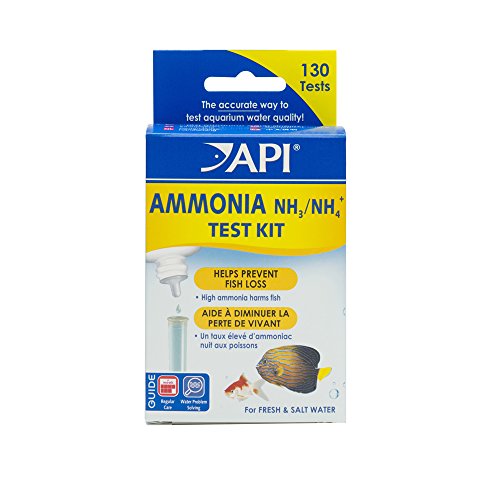
Test the water with an ammonia test kit aquarium freshwater to confirm levels. If ammonia is present, perform a 25–50% water change, vacuum the gravel with an aquarium gravel siphon vacuum kit, and use a suitable filtration media such as zeolite ammonia remover filter media for aquarium to bind or remove ammonia. Re-test after adjustments and maintain routine monitoring to prevent future spikes.
What You’ll Need
- Ammonia test kit aquarium freshwater
- Water conditioner compatible with chloramines and chlorine
- Zeolite ammonia remover filter media for aquarium
- Aquarium gravel siphon vacuum kit
- Replacement water of appropriate temperature and pH
- Dechlorinator or dechlorination solution if using tap water
- Fish-safe ammonia detox if immediate relief is needed

![QZQ Aquarium Gravel Cleaner [2025 Edition] Vacuum Fish Tank Vacuum Cleaner Tools for Aquarium Water Changer with Aquarium Thermometers Fish Net kit Use for Fish Tank Cleaning Gravel and Sand](https://m.media-amazon.com/images/I/51S+2N20RtL._SL500_.jpg)
Before You Start
Plan a safe, gradual approach to avoid stressing fish. Keep an eye on community tank inhabitants and avoid sudden temperature or pH shifts. Always test the water parameters before and after any intervention. Never ignore persistent ammonia readings, as prolonged exposure can lead to rapid health declines. Estimate time for routine interventions: expect minor changes within hours and full stabilization over days with consistent care.
Step-By-Step: How To Reduce Ammonia In Your Tank
- Read the test kit instructions and collect fresh water samples from the tank and any replacement water you intend to use.
- Test for ammonia first to establish a baseline and determine if immediate action is required.
- If ammonia is detected, perform a partial water change of 25–50% to dilute ammonia concentrations and remove dissolved waste.
- Gravely clean the substrate using an aquarium gravel siphon vacuum kit to remove detritus and uneaten food that contribute to ammonia production.
- Inspect your filtration setup. If the filter media is overdue for cleaning or replacement, perform maintenance according to manufacturer guidelines without disrupting beneficial bacteria.
- Introduce zeolite ammonia remover filter media for aquarium as directed by the product instructions to temporarily bind free ammonia while biological filtration recovers.
- Stabilize the biological cycle by ensuring adequate aeration and avoiding overfeeding. Monitor feeding to prevent excess waste.
- If ammonia rises again, consider a second controlled water change and re-evaluate filtration capacity or media compatibility with your tank occupants.
- Retest water after changes and record results to track trends over time. Maintain a regular testing schedule to detect spikes early.
- Keep parameters within safe ranges by gradually adjusting maintenance routines, ensuring fish have suitable stocking levels and compatible water conditions.
- Long-term prevention includes routine substrate cleaning, balanced feeding, and timely filter media replacement to sustain healthy beneficial bacteria populations.
- If ammonia levels persist despite these steps, consult a local aquarium professional for a tailored plan.
Troubleshooting
| Symptom | Likely Cause | Fix | Prevention |
|---|---|---|---|
| Ammonia remains high after water changes | Insufficient biological filtration | Check filter: clean media, ensure flow, consider cycling | Maintain stable bioload, avoid sudden large changes |
| Ammonia spikes after feeding | Overfeeding, excess debris | Feed less, remove uneaten food promptly | Establish strict feeding schedule |
| Zero nitrites/nitrates despite ammonia | Incomplete nitrogen cycle restart | Continue monitoring; consider adding robust biological media | Patience; allow bacteria to repopulate |
| Filter media clogged quickly | High detritus load | Regular substrate cleaning, adjust feeding, upgrade filtration | Routine maintenance plan |
Common Mistakes
- Relying solely on chemical binders without addressing the root cause of ammonia
- Overstocking the tank or overfeeding
- Ignoring regular substrate cleaning and filter maintenance
- Using incompatible media that disrupts beneficial bacteria
Tips For Best Results
- Use the ammonia test kit regularly, especially after changes or feeding spikes.
- Pair ammonia binders with gradual biological recovery to avoid a sudden crash in beneficial bacteria.
- Match water temperature and parameters between replacement water and tank water to minimize stress during changes.
- Keep a log of test results, maintenance, and changes to spot recurring issues.
Call A Professional
Consult a professional if ammonia readings remain elevated despite following the steps above, if you observe rapid fish distress, or if the tank is heavily stocked. Situations warranting expert help include persistent ammonia spikes, suspected disease linked to water quality, or complex aquascaping changes that affect filtration and bioload.
FAQ
How often should I test ammonia in a new tank?
Test within the first week and then at least weekly during the initial cycling process to confirm stable ammonia readings.
Can I use ammonia remover media long-term?
Yes, but it should be a temporary measure. Rely on biological filtration for long-term ammonia control and use media according to manufacturer instructions.
What water changes are safe for sensitive fish?
Perform partial changes with conditioned water of matching temperature and parameters to minimize stress.
What indicates a completed cycle?
Ammonia consistently stays at zero, nitrite drops to zero, and nitrate stabilizes at low, safe levels with visible healthy fish.
Buying Guide
When selecting tools to manage ammonia, consider size, compatibility, and ease of use. A quality ammonia test kit aquarium freshwater should be accurate and easy to interpret. For media, a versatile option like zeolite ammonia remover filter media for aquarium can provide immediate relief but should be complemented by stable biological filtration. An efficient aquarium gravel siphon vacuum kit is essential for routine substrate upkeep. Look for kits with adjustable flow rates, durable components, and easy maintenance. Choose products that fit your tank size, stocking level, and water chemistry to maintain a calm, healthy aquatic environment.
Leave a Reply