How to Get Rid of Fog on Glasses and Windshields
Fogging happens when warm, moist air meets cooler surfaces, creating tiny droplets that cloud lenses, goggles, or windshields. This guide explains practical methods to reduce or eliminate fog using common products and smart habits. The focus is on safe, effective approaches suitable for everyday American use.
Quick Answer
Use a dedicated anti fog spray on lenses or goggles, wipe with a microfiber cloth, and apply a light, even coating. For windshields, apply car windshield anti fog spray coating and keep interior humidity moderate. Regular maintenance with proper cleaning cloths helps maintain clarity and extends the life of coatings.
What You’ll Need
- Anti fog spray for glasses lenses
- Car windshield anti fog spray coating
- Anti fog microfiber cleaning cloth for goggles

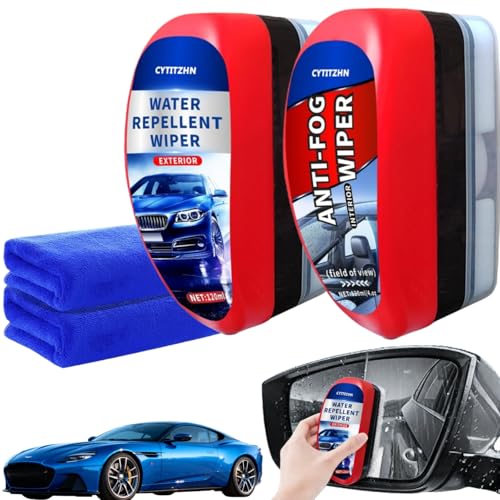

Before You Start
Check the surface compatibility of each product with its intended material. Avoid using abrasive cleaners on coatings or lenses. Test on a small area first to prevent streaking or dulling. Time estimates vary: most sprays require 2–5 minutes to settle, then 1–2 minutes of buffing. Safety: keep sprays away from eyes and avoid inhalation in poorly ventilated areas. If you wear contact lenses, remove them briefly when applying chemical products and reinsert after the area dries.
Step-By-Step: How To Prevent Fog On Glasses, Goggles, And Windshields
- Clean the surface with a mild, non-abrasive cleaner to remove oils and residues that worsen fogging.
- Apply a thin, even coat of anti fog spray for glasses lenses on each lens or your goggle interiors.
- Buff gently with an anti fog microfiber cleaning cloth for goggles until the surface is clear and dry.
- For windshields, spray a light layer of car windshield anti fog spray coating and spread evenly across the interior surface.
- Allow the coating to dry fully according to the product instructions, usually a few minutes.
- Buff again with a clean microfiber cloth to remove any streaks and ensure an even finish.
- Avoid touching the treated surfaces for several minutes after application to maximize adherence.
- Reapply product as needed, typically every few days with glasses and as recommended for windshields during high-humidity periods.
- Store sprays away from heat and direct sunlight to preserve effectiveness.
- Combine with practical habits: store glasses in a case, ventilate vehicle cabin to reduce humidity, and consider anti-fog eyeglass inserts if fogging persists.
- For sports goggles, reapply only as directed by the manufacturer and avoid over-application that can smear lenses.
- When fogging remains severe, switch to a different product type or consult the manufacturer guidelines for your specific lens or coating.
Troubleshooting
| Symptom | Likely Cause | Fix | Prevention |
|---|---|---|---|
| Fog returns quickly after application | Insufficient coating or improper buffing | Reapply with thorough buffing to a smooth, even layer | Follow drying times and avoid touching treated areas |
| Streaks or cloudy appearance | Over-application or residue | Wipe with clean cloth until clear | Use a small amount and wipe evenly |
| Product smeared on surface | Too much product or poor surface prep | Clean surface, reapply sparingly | Pre-clean surfaces before each application |
| Fogging occurs only in specific lighting or temperatures | Material incompatibility or environmental factors | Try a different brand or adjust ventilation | Maintain steady cabin temperature and humidity |
| Coating degraded after cleaning | Aggressive cleaners or improper cloth use | Use mild cleaners and microfiber cloths | Avoid harsh solvents and abrasive materials |
Common Mistakes
- Using household cleaners that strip or dull anti fog coatings
- Over-applying coating, leading to streaks
- Not allowing coatings to dry fully before use
- Skipping pre-cleaning, which reduces effectiveness
Tips For Best Results
- Clean lenses or windshields before applying any anti fog product to maximize adhesion.
- Keep a dedicated microfiber cloth for fog treatment to avoid cross-contamination with dirty fabrics.
- Test new products on a small area to confirm compatibility with coatings or lens material.
- Store anti fog sprays in a cool, dry place to preserve effectiveness.
Call A Professional
Seek professional help if fogging persists after using multiple products or if you notice damage to coatings, lenses, or windshields. Stop using any product that causes itching, redness, or irritation. If fogging occurs due to structural issues with the windshield or lens, a licensed technician or optician can assess the surface and recommend permanent solutions.
FAQ
What is the best way to apply anti fog spray?
Apply a light, even coat, wait for drying, then buff with a clean microfiber cloth until clear.
Can I use anti fog products on all types of lenses?
Most products are designed for standard lenses and goggles, but always check the manufacturer’s guidance for plastics, coatings, or specialized materials.
How often should I reapply anti fog coatings?
Reapplication frequency varies by product and environment; follow the label for guidance and adjust for humidity and temperature.
Will anti fog sprays affect lens clarity in daylight?
When properly applied, anti fog products should not alter color or clarity; improper use can cause subtle haze or streaks.
Is there a non-chemical alternative to prevent fogging?
Yes, venting strategies, mask adjustments, or anti-fog inserts can complement chemical products for persistent fogging.
Are there safety considerations for eye protection?
Always avoid contact with eyes and ensure products are used in well-ventilated areas to minimize exposure.
Can I use the same cloth on different products?
Prefer dedicated microfiber cloths for each type of product to prevent cross-contamination and streaks.
Buying Guide
Choosing the right anti fog solution depends on surface type, usage context, and maintenance needs. Consider these factors to optimize clarity and cost-effectiveness.
- <bSurface compatibility: Glasses lenses, goggles, and windshield coatings may require different formulations.
- <bEffect duration: Some sprays last longer but may require careful application; others refresh quickly but need frequent reapplication.
- <bEase of use: Look for products that are easy to apply and buff, with clear drying times.
- <bCloth quality: A high-quality microfiber cloth reduces streaking and protects coatings.
- <bMaintenance plan: Pair sprays with regular cleaning to extend anti fog effectiveness.
- <bEnvironmental considerations: Consider indoor/outdoor use and humidity levels typical in your region.
- <bSafety profile: Check for skin and eye safety guidelines and avoid products with harsh solvents when you wear contact lenses.
- <bValue and versatility: Some products cover multiple surfaces; weigh benefits versus dedicated options for glasses and windshields.
With the right routine, fogging can become a manageable nuisance. Do you want a simple, one-product solution or a combination approach tailored to glasses, goggles, and car windshields?
Leave a Reply