How to Get Rid of Trash Can Smell and Keep It Fresh
Smelly trash cans are a common nuisance in American homes, especially in kitchens and outdoor spaces. With simple, practical steps you can take, you can minimize odors at the source and maintain a fresher indoor and outdoor environment. This guide covers products designed to control odor and everyday best practices that fit into a busy lifestyle.
Quick Answer
Start by emptying and rinsing the can, then use a deodorizing method at the source. Combine baking soda or liners with a dedicated odor-control product like a charcoal deodorizer bag, a trash can air freshener gel, or scented liners to maintain ongoing freshness.
What You’ll Need
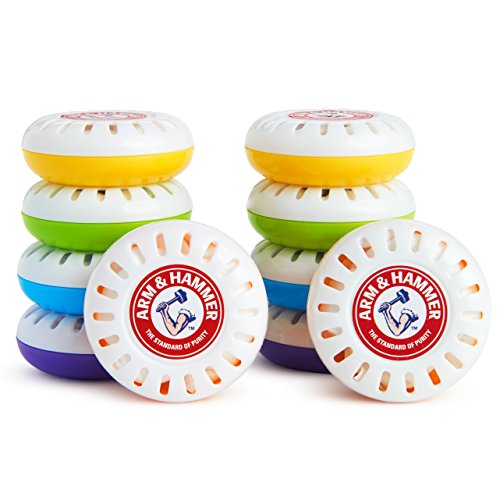
- Charcoal deodorizer bag for trash can odor control
- Baking soda scented trash can liners odor control
- Trash can air freshener gel vent odor eliminator


Before You Start
Prepare a clean, dry surface around and inside the trash can. Wear gloves if you’re cleaning with strong cleaners, and rinse the can with a mild soap and water solution. Let the can dry completely before replacing liners or adding fresh odor-control products. Important cautions include keeping deodorizing products out of reach of children and pets and avoiding mixing cleaners with odor-control agents that could emit strong fumes.
Time estimates: basic cleanup 10–15 minutes; full odor-control setup 15–25 minutes depending on can size and the number of steps you choose to implement.
Step-By-Step How To Get Rid Of Trash Can Smell
- Empty the can completely and remove any liners. If waste is wet, rinse the interior with warm water to help dissolve residue.
- Rinse the interior with a mild soap solution and a soft scrub brush. Rinse again with clean water and let the can air-dry completely.
- Sprinkle a light layer of baking soda on the bottom before placing a new liner for ongoing odor control. Replace monthly or as needed.
- Place a charcoal deodorizer bag for trash can odor control inside the can or near the rim. The charcoal helps absorb moisture and odors without masking them.
- Use trash can liners that have built-in odor control, such as baking soda scented liners, to reduce dispersion of smells as trash accumulates.
- Consider a trash can air freshener gel vent odor eliminator in the lid vent area if your can has vent openings. This keeps odors from concentrating in the air above the trash.
- Dispose of wet waste as soon as possible and seal food scraps in a small bag before placing them in the bin.
- Regularly clean the lid and any lid hinges with a disinfectant wipe to prevent odor-retaining residue on surfaces.
- Schedule a weekly or biweekly cleaning ritual to maintain freshness, especially in high-use areas like kitchens and garages.
- Rotate products seasonally: switch between deodorizer bags and scented liners to maintain effectiveness and prevent odor adaptation.
- When odors persist, supplement with additional liners and reposition the deodorizer bag for optimal airflow and odor absorption.
- Store extra liners and deodorizing products in a cool, dry place away from direct sunlight to preserve their effectiveness.
Troubleshooting
| Symptom | Likely Cause | Fix | Prevention |
|---|---|---|---|
| Persistent odor after cleaning | Residual moisture or residue | Thoroughly dry interior; re-clean with soap, rinse well, and dry completely | Dry after every cleaning and use liners with odor control |
| Smell returns quickly | Infrequent liner changes | Change liners on a set schedule; consider a gel vent odor eliminator | Keep baking soda or deodorizer bags in place between changes |
| Weak deodorizing effect | Overly large or smelly waste volume | Double-bag particularly strong odors; add extra charcoal bag | Improve waste sorting to reduce heavy odors |
| Discolored or sticky can interior | Residue buildup | Use a non-abrasive cleaner; rinse and dry completely | Clean weekly in high-use areas |
Common Mistakes
- Overloading the can with wet trash without adequate liners
- Forgetting to replace deodorizing products promptly
- Using strong cleaners that leave residual scents conflicting with odor-control products
- Neglecting regular lid and hinge cleaning, which can trap odors
Tips For Best Results
- Place odor-control products higher in the can to maximize airflow and odor absorption.
- Alternate between different products (charcoal bags, scented liners, and gels) to prevent odor adaptation.
- Keep trash sealed until collection day and empty as close to pickup time as possible.
- For outdoor cans, position the can away from doors or windows to reduce indoor dispersion of odors.
Call A Professional
Consider seeking professional help if odors persist despite consistent cleaning and odor-control measures, especially in commercial settings or when there is visible mold growth inside the can or surrounding area. If you notice persistent foul odors that accompany leaks or structural damage, contact a professional janitorial or maintenance service.
FAQ
What’s the quickest way to neutralize trash can odors?
Rinse, dry, and immediately place a liner with odor-control properties, plus a charcoal deodorizer bag for ongoing absorption.
Are baking soda liners safe for septic systems?
Most baking soda-based liners are safe for septic systems, but check manufacturer guidelines before use in homes with septic tanks.
Can I use multiple odor-control products together?
Yes, but avoid overpowering fragrances. Use complementary products like liners plus a gel vent eliminator for balanced results.
How often should I replace liners?
Replace liners weekly or when waste volume is high to maintain odor control.
Is it better to store odor-control products in the can or outside?
Keep odor-control products inside the can or mounted lid if designed for it; store extra supplies in a cool, dry place nearby.
Will cleaning with disinfectants affect odor control?
Some disinfectants can clash with scents. Use mild cleaners and ensure products dry fully before adding deodorizers.
What if there are recurring odors after a trash pickup?
Inspect for leaks, replace liners more frequently, and consider additional odor-control tools like extra charcoal bags or gels.
Buying Guide
Choosing the right odor-control solutions for trash cans depends on size, placement, and usage. Consider these factors to optimize performance and convenience.
Size and Capacity
Measure your can’s interior diameter and height to choose liners and odor-control accessories that fit snugly without crowding the opening. Larger cans benefit from multiple odor-control options placed strategically around the interior.
Noise Level and Aesthetics
Gel vent odor eliminators should operate quietly and blend with environment. If visibility matters, select discreet packaging and neutral scents that won’t clash with kitchen aromas.
Energy Efficiency and Materials
Odor-control products like charcoal bags require no power and have long-lasting appeal. Opt for reusable or refillable options to minimize waste and environmental impact.
Controls and Placement
Consider whether your can uses a lid with vents, a slow-release gel vent, or simple liners. Place the odor-control items in a way that maximizes airflow and minimizes direct contact with food areas.
Maintenance and Replacement
Check replacement schedules for liners and gels. Durable products with clearly labeled timelines simplify upkeep and keep odors in check between trash pickups.
Value and Compatibility
Match products to your can type and waste habits. A combination of a baking soda scented liner, a charcoal deodorizer bag, and a vented gel can provide layered odor control without overloading the can.
Leave a Reply