How to Get Rid of Freezer Burn Taste
Freezer burn can dull flavor and texture, leaving foods tasting dry, leathery, or off. While you can prevent freezer burn with proper packaging, you can also take practical steps to reduce its impact on already frozen items and keep flavors as fresh as possible. This guide outlines a practical approach for American kitchens, focusing on reliable vacuum sealing and airtight storage solutions.
Quick Answer
Seal food promptly after freezing and eliminate air exposure. Use a home vacuum sealer machine with compatible vacuum seal bags for freezer storage, plus a kit of 8×12 inch vacuum seal bags freezer storage roll kit for custom sizes. Store in airtight BPA-free freezer storage containers set 4-cup capacity to minimize dehydration and odors. For already frozen items, trim away heavily affected portions and repackage before refreezing if appropriate.
What You’ll Need
- Home vacuum sealer machine with compatible vacuum seal bags for freezer storage
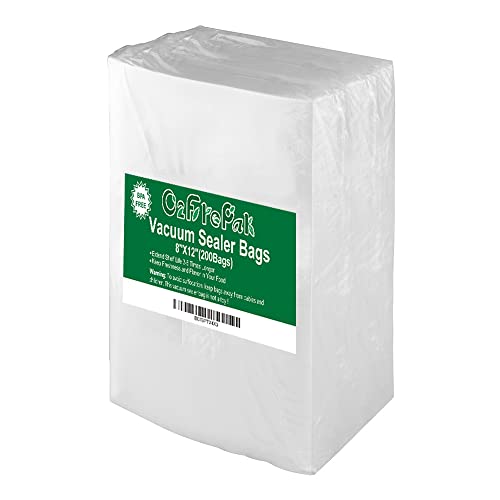
- 8×12 inch vacuum seal bags freezer storage roll kit
- Airtight BPA-free freezer storage containers set 4-cup capacity
- Sharp knife or kitchen scissors for trimming
- Permanent marker for labeling and dating


Before You Start
Assess the freezer items for freezer burn signs, such as dry, discolored patches, or papery texture. Always follow food safety guidelines for thawing and cooking. Plan for a realistic thaw time and avoid refreezing items that have been fully thawed and held at room temperature. Keep the freezer temperature steady at or below 0°F (-18°C) for best results.
Step-By-Step: How To Reduce Freezer Burn Taste
- Inspect and trim: Remove areas with heavy freezer burn using a sharp knife. This reduces concentrated off-flavors in each bite.
- Vacuum seal fresh portions: Place trimmed pieces into compatible vacuum seal bags. Use the home vacuum sealer machine to remove air and seal tightly.
- Use roll kits for custom sizes: If a standard bag doesn’t fit, roll and seal using 8×12 inch vacuum seal bags freezer storage roll kit for precise portions and maximum protection.
- Alternately, portion into containers: For liquids or soft foods, transfer to airtight BPA-free freezer storage containers set 4-cup capacity to prevent air pockets and odor transfer.
- Label and date: Mark each package with contents and date to improve rotation and reduce repeated freezer exposure.
- Freeze promptly: Place sealed bags and containers back into the freezer in a single, flat layer for even freezing and efficient stacking.
- Thaw safely: Thaw in the refrigerator or under cold running water when ready to use. Avoid thawing at room temperature to minimize quality loss.
- Cook with moisture and flavor: When cooking, add a splash of stock, sauce, or citrus to mitigate slight freezer flavors and restore moisture.
- Consider aroma barriers: Store stronger-smelling foods separately to prevent odor transfer inside the freezer.
- Re-evaluate storage habits: Regularly rotate items and ensure lids seal properly to prevent future freezer burn.
- For questionable items: If after trimming and sealing the taste remains off, it may be best to discard to avoid quality concerns.
- Review packaging integrity: Check seals and replace damaged bags or containers to maintain a tight barrier against air and moisture.
Troubleshooting
| Symptom | Likely Cause | Fix | Prevention |
|---|---|---|---|
| Persistent freezer burn taste after sealing | Air leaks or porous packaging | Re-seal with fresh bags; replace damaged bags | Ensure proper sealing cycles and bag integrity |
| Food feels dry after thawing | Moisture loss due to premature exposure to air | Use airtight containers or vacuum-sealed bags; distribute moisture with sauces | Freeze in flat, thin portions for even moisture retention |
| Odors transfer between foods | Weak seals or shared containers | Separate strong-odor items; replace with airtight containers | Keep a separate odor barrier and labeled storage zones |
| Bag leaks during sealing | Overfilled bag or damaged seal | Leave headspace; trim damaged sections; reseal | Follow bag capacity guidelines |
Common Mistakes
- Using bags that are not compatible with the vacuum sealer, leading to incomplete seals
- Overpacking bags, which prevents a tight seal and allows air infiltration
- Letting meat juices contact other foods inside containers or bags
- Skipping labeling or dating, causing unclear rotation and freezer burn oversight
Tips For Best Results
- Freeze in thin, evenly sized portions to promote uniform freezing and quicker sealing
- Trim off only the affected freezer-burned areas to maximize usable portions
- Choose the right bag size: smaller bags reduce air pockets and improve preservation
- Keep the freezer at a stable temperature and avoid frequent door openings
- Use a two-step approach for long-term storage: vacuum seal first, then place sealed items in airtight containers for extra protection
Call A Professional
Frequent freezer burn, unusual odors, or inconsistent freezer temperatures may indicate a malfunctioning appliance or freezer compartment. If your freezer isn’t maintaining proper temperature or there are electrical issues, consult a qualified technician or the manufacturer for safety and warranty guidance.
FAQ
What is freezer burn and why does it happen?
Freezer burn occurs when air reaches frozen food, causing dehydration and oxidation that alter flavor and texture.
Can vacuum sealing fix freezer-burned food?
Vacuum sealing helps prevent further damage and can improve texture and taste when portions are trimmed and resealed properly.
Are BPA-free containers safer than bags for freezer storage?
BPA-free containers reduce exposure to potentially harmful chemicals and provide a sturdy barrier against air and moisture.
How long can vacuum-sealed foods stay in the freezer?
Most vacuum-sealed foods maintain quality for several months to a year, depending on the item and storage conditions.
Should I thaw meat before cooking to fix freezer burn taste?
Thawing in the refrigerator before cooking helps preserve texture and flavor; avoid thawing at room temperature.
Is there a way to mask freezer burn flavor without trimming?
You can add sauces, marinades, or broths during cooking to mask minor off-flavors, but best results come from proper packaging and trimming.
Buying Guide
Choosing the right storage system for reducing freezer burn involves several factors. Consider how much you typically freeze, the space available, and whether you prefer bags, containers, or a combination. Size matters: larger setups may reduce the number of re-packaging steps but require more freezer space. Noise levels and energy use are practical considerations for the sealing unit. Look for adjustable sealing times and reliable seals. Placement within the freezer should allow for even air circulation and easy access for frequent use. Compare the compatibility of bags and containers with your existing freezer style, and choose options that minimize air exposure while maximizing convenience and food freshness. Would you benefit from a compact setup for small households or a bulk system for large families? The right combination often includes a capable vacuum sealer, a versatile bag kit, and sturdy, odor-resistant containers to maintain peak flavor and texture over time.
Leave a Reply