How to Clean Oil Off Pavers for a Fresh, Like-New Look
Oil spills on pavers can mar curb appeal and attract grime if not addressed promptly. This guide walks American homeowners through a practical, step-by-step approach to remove oil from concrete pavers using commonly available tools and products. The methods below emphasize safety, effectiveness, and keeping pavers intact.
Quick Answer
Start with blotting and absorbing the spill, then apply a concrete paver oil stain remover degreaser, followed by a targeted water wash. For stubborn stains, a pressure washer for oil stain removal on pavers often delivers the best results. In most cases, repeat as needed and finish with a thorough rinse to prevent residue.
What You’ll Need
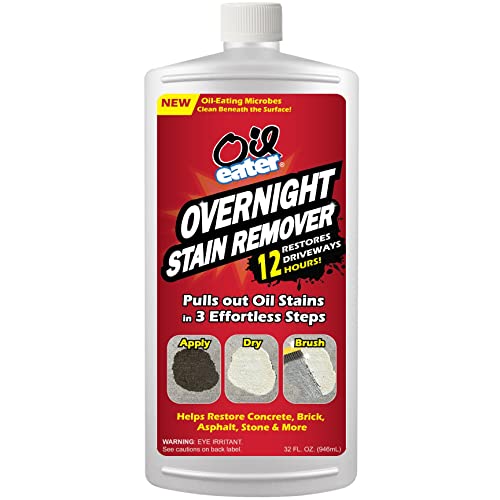
- Concrete paver oil stain remover degreaser
- Pressure washer for oil stain removal on pavers
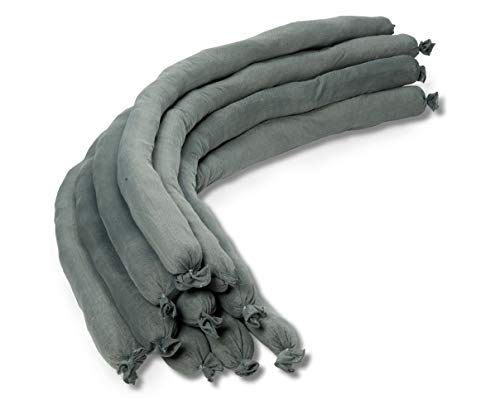
- Oil absorbent socks and pads for paver spills
Before You Start
Assess the stain size and paver type (unsealed vs. sealed). Protect nearby plants and grass, and wear gloves and eye protection. Work in a shaded area if possible to prevent quick drying of cleaners. Time estimates vary: a typical treatment takes 1–2 hours, plus drying time. Always follow label instructions on any cleaner and test on a small inconspicuous area first to avoid discoloration.
Step-By-Step: How To Clean Oil Off Pavers
- Contain the spill using oil absorbent socks and pads for paver spills to prevent spreading.
- Blot the stain with paper towels or rags to remove as much surface oil as possible.
- Rinse the area with water to loosen remaining residue, then apply concrete paver oil stain remover degreaser according to label directions.
- Allow the degreaser to dwell for the recommended time, typically 5–15 minutes, to break down oils.
- Scrub the stained area with a stiff-bristle brush to lift embedded oil from the joints and surface.
- Rinse thoroughly with a pressure washer for oil stain removal on pavers, using a focused nozzle to avoid splashing onto plants.
- If traces remain, repeat the degreasing and scrubbing steps, then perform a second rinse.
- For persistent spots, apply a second application of degreaser, allow dwell time, and re-scrub before a final rinse.
- After cleaning, let the pavers dry completely; consider sealing porous pavers to reduce future oil absorption.
- Dispose of wash water according to local guidelines to prevent environmental impact.
- Inspect the area after drying; if needed, apply a sealant compatible with your pavers for added protection.
- Clean up tools and store absorbents for future spills in a dry, ventilated area.
Troubleshooting
| Symptom | Likely Cause | Fix | Prevention |
|---|---|---|---|
| Stain reappears after washing | Oil penetrated joints or porous areas | Repeat degreaser treatment and thorough brushing | Seal pavers after cleaning |
| Discoloration on pavers | Cleaning product reacted with surface | Test on inconspicuous area; use milder solution if needed | Always do spot test first |
| Soap and cleaner residue | Excess cleaner not rinsed | Rinse thoroughly with high-pressure water | Follow label rinse directions |
| Stains spread during rinse | Watering from high pressure | Use a sweeping motion and targeted nozzle | Work from outside the stain toward the center |
Common Mistakes
- Using bleach or acidic cleaners on concrete pavers—can damage the surface.
- Skipping a test patch—may cause color change or damage.
- Rushing the rinse, leaving cleaner residuals that attract more dirt.
- Neglecting to absorb excess oil before cleaning—spills spread and penetrate deeper.
Tips For Best Results
- Address spills promptly; the longer oil sits, the harder it is to remove.
- Choose a degreaser compatible with your paver material and any sealer in place.
- Work in cool, shaded conditions to prevent quick drying of products.
- After cleaning, consider applying a penetrating sealer to reduce future oil absorption.
- Test any cleaning method on a hidden area first to confirm color retention.
Call A Professional
Consult a pro if the stain covers a large area, involves old or heavily absorbed oil, or if pavers are pitted or damaged. Seek urgent help if you notice cracks, efflorescence, or surface etching after cleaning. A professional may offer power washing, specialty solvents, or sealer applications that preserve aesthetic and structural integrity.
FAQ
Is it safe to use pressure washers on all pavers?
Most concrete pavers tolerate pressure washing, but test a small area first and avoid high-pressure settings that may erode joints or edges.
What if the oil stain is on a sealed paver?
Follow the degreaser instructions and use gentler scrubbing to avoid stripping the seal. If the seal is damaged, resealing may be needed after cleaning.
Can I use household detergents to remove oil stains?
Household detergents can help, but dedicated concrete paver degreasers are typically more effective for embedded oil.
How long should pavers dry after cleaning?
Most pavers dry within 6–24 hours, depending on weather and humidity. Avoid foot traffic until fully dry.
Do I need to seal pavers after cleaning?
Sealing can reduce future staining and make maintenance easier, but ensure the surface is clean and dry before applying sealer.
Buying Guide
When selecting products to clean oil off pavers, consider size, odor, and drying time. A concrete paver oil stain remover degreaser with a strong stain-dissolving formula is useful for large areas, while a compact option may suffice for small driveways. For stubborn stains, a dedicated pressure washer for oil stain removal on pavers helps lift embedded oils without excessive scrubbing. Having oil absorbent socks and pads for paver spills on hand enables quick containment, preventing spread and contamination. Look for products labeled safe for concrete and a surface-compatible sealer to protect after cleaning. Noise level and electric vs. gas models matter if the cleaning job is in a residential area or near neighbors. Consider the placement of the washing setup—outdoors, away from plants, with proper drainage. A kit that combines degreaser, absorbents, and a compatible washer offers streamlined use and consistent results.
Leave a Reply