How to Clean a Toilet Without Bleach: Eco-Friendly Tips
Cleaning a toilet without harsh bleach is not only better for the environment but also gentler on plumbing and surfaces. This guide explains practical, science-backed methods using non-bleach products that are effective at removing stains, odors, and germs.
By following a safe routine and selecting the right eco-friendly cleaners, homeowners can achieve a sparkling toilet without compromising health or wastewater quality.
Quick Answer
Use a non-bleach toilet cleaner gel or enzyme cleaner, pair it with a silicone-bristle toilet brush, and optionally add biodegradable toilet cleaning tablets. Apply, scrub, let sit, and flush. This approach targets mineral deposits and odors without harming fabrics or septic systems.
What You’ll Need
- non-bleach toilet cleaner gel eco-friendly toilet bowl cleaner
- toilet cleaning brush set silicone bristles non-scratch for bathroom
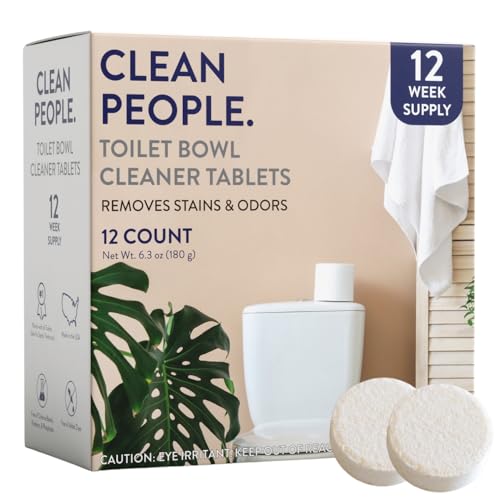
- toilet cleaning tablets no bleach biodegradable enzyme cleaner


Before You Start
Prepare the bathroom area and ensure good ventilation. Clear the area around the toilet and remove items that could get splashed. Time estimate: 10–20 minutes for a routine clean; additional time for heavy mineral buildup. Use gloves if you have sensitive skin. Avoid mixing cleaners with ammonia or vinegar in a manner that could release harmful gases.
Step-By-Step: How To Clean A Toilet Without Bleach
- Put on gloves and remove any objects around the toilet bowl. Clear the area to avoid accidental splashes.
- Pour or apply a eco-friendly toilet bowl cleaner gel along the inner rim, ensuring it coats under the rim as the water level drops.
- Let the cleaner sit for 5–10 minutes to break down mineral deposits and stains. Do not rush this step; dwell time improves effectiveness.
- Use a toilet cleaning brush set with silicone bristles to scrub the bowl, focusing on the waterline and under the rim where buildup collects.
- If stubborn stains remain, apply a second layer of cleaner and scrub with gentler strokes to avoid scratching enamel.
- For odor control, drop a biodegradable enzyme cleaner tablet into the tank or bowl according to product instructions. These tablets help maintain freshness between deep cleans.
- Flush the toilet to rinse away cleaner and loosened residue. If needed, repeat the scrubbing and rinsing once more for heavily soiled bowls.
- Wipe the exterior surfaces with a damp cloth and a non-abrasive cleaner, then dry with a clean towel to minimize water spots.
- Rinse brushes after use and store them in a dry area to prevent mold growth. Replace brushes every 6–12 months as needed.
- Optionally schedule regular maintenance using enzyme tablets to keep bowls cleaner between deep cleans.
Troubleshooting
| Symptom | Likely Cause | Fix | Prevention |
|---|---|---|---|
| Stains persist after cleaning | Mineral buildup or hard water deposits | Reapply cleaner and use longer dwell time; target deposits with a soft brush | Regular weekly cleaning with enzyme-based tablets |
| Unpleasant odor persists | Residual waste or trapped moisture | Deep clean with enzymatic cleaner; ensure proper ventilation | Ventilate and wipe dry after each use |
| Brush looks stained or mildewy | Moisture retention and bacteria | Rinse thoroughly, air-dry, and replace if needed | Store brush in a ventilated holder |
| Cleaner doesn’t foam or cling | Water hardness or incompatibility | Switch to a proven eco-friendly formula designed for hard water | Test cleaner on a small area first |
Common Mistakes
- Using abrasive brushes that scratch porcelain even if marketed as safe for bathrooms
- Mixing cleaners with ammonia or vinegar, which can create hazardous gases
- Overlooking under-rim areas where mineral deposits hide
- Rushing the dwell time; cleaning products need time to work
By avoiding these mistakes, users can achieve a cleaner toilet without bleach while protecting surfaces and the environment.
Tips For Best Results
- Choose non-bleach cleaners that are labeled eco-friendly and enzyme-based for ongoing freshness.
- Use a silicone-bristle brush to minimize scratching and simplify cleaning around curves and under the rim.
- Pair gel cleaners with enzymatic tablets for sustained cleanliness between deep cleans.
- Schedule regular cleanings (weekly or biweekly) to prevent heavy buildup that requires stronger action.
- Avoid using hot water repeatedly, which can cause splashing and reduce cleaner efficacy over time.
Call A Professional
When to seek help: persistent staining that resists routine cleaning, recurring odors despite cleaning, or visible cracks in the porcelain warrant professional assessment. If there are signs of leakage, plumbing issues, or unusual noises, contact a licensed plumber or a bathroom maintenance professional promptly.
FAQ
Can I use vinegar to clean my toilet without bleach?
Yes, vinegar can be used carefully in small amounts, but avoid mixing with baking soda for prolonged use and ensure it does not cause corrosion on sensitive seals.
Are enzyme cleaners safe for septic systems?
Yes, many biodegradable enzyme cleaners are designed to be septic-safe and environmentally friendly.
How often should I replace my toilet brush?
Replace brushes every 6–12 months or sooner if bristles fray or harbor mold.
Is it okay to use cleaning tablets in the toilet tank?
Yes, biodegradable enzyme tablets designed for no-bleach use can help maintain cleanliness when used as directed.
What if stains return after cleaning?
Reassess mineral buildup, dwell time, and brush technique. Consider a second treatment with an enzyme-based tablet and verify water quality.
Is it safe to descend to a non-bleach routine on colored toilets?
Generally yes, but test any cleaner on a small area first to ensure colorfastness.
Buying Guide
When choosing products to clean a toilet without bleach, consider several factors to optimize performance and safety.
Size and compatibility: Ensure cleaners are suitable for standard residential toilets and work well with your bowl geometry. Ergonomic tools help reach under the rim without overreaching.
Noise level and application: Gel cleaners typically require less scrubbing, reducing noise. Look for containers that are easy to dispense with minimal splash.
Energy and water efficiency: Enzyme-based, biodegradable products often require less rinsing and can support gentler cleaning routines, aligning with water-conserving habits.
Controls and labeling: Choose products clearly labeled as non-bleach, eco-friendly, and septic-safe. Read safety and usage instructions before application.
Placement and storage: Store cleaners away from children and pets, in a cool, dry place. Keep brushes in a ventilated holder to prevent mildew.
Comparative perspectives: For routine maintenance, a gel cleaner plus a brush may suffice; for heavy buildup, a combination with enzymatic tablets can extend cleanliness between deep cleans. Consider your water hardness, routine, and sensitivities when selecting products for best results.
Leave a Reply