How to Clean a Toothbrush Head Safely and Effectively
Cleaning a toothbrush head is essential for oral hygiene and device longevity. This guide explains practical methods to refresh toothbrush heads using common tools, including options designed for sanitizing and maintaining bristle integrity. Follow these steps to help reduce bacteria buildup while extending the life of your toothbrush.
Quick Answer
Rinse the toothbrush head after brushing, shake off excess water, and air-dry. Periodically disinfect using a dedicated cleaning device such as an ultrasonic toothbrush cleaner countertop, a toothbrush sanitizer UV sterilizer box, or a UV toothbrush sterilizer travel case. Replace the head every 3–4 months or sooner if bristles appear frayed.
What You’ll Need
- Ultrasonic toothbrush cleaner countertop
- Toothbrush sanitizer UV sterilizer box
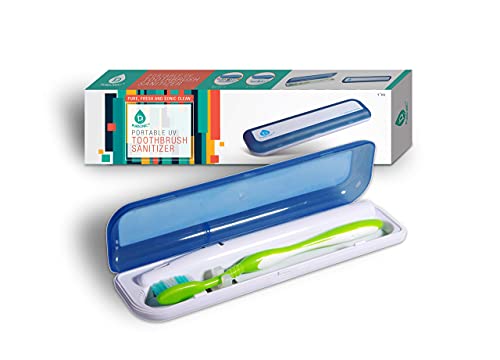
- UV toothbrush sterilizer travel case


Before You Start
Clear a clean workspace and remove the brush from the device or holder. Ensure hands are dry and clean to prevent contamination. If using any UV or ultrasonic device, follow the manufacturer’s instructions for safe operation. Time estimates vary: basic rinsing takes moments, while disinfection cycles may take several minutes.
Step-By-Step: How To Clean A Toothbrush Head
- Rinse the toothbrush head under running warm water for 15–20 seconds to remove toothpaste and debris.
- Gently shake or pat dry with a clean towel to minimize water pooling near the bristles.
- Inspect bristles for signs of wear. If frayed or mushy, replace the toothbrush head promptly.
- Place the toothbrush head into an ultrasonic toothbrush cleaner countertop or an appropriate sanitizing device, following device instructions.
- Run the recommended cycle (usually a few minutes) to loosen particles and reduce bacteria exposure on bristles.
- After the cycle, remove the head and allow it to air-dry completely in an upright position before placing it back on the handle or storing.
- If using a UV toothbrush sterilizer box, insert the head as instructed and run the UV cycle to achieve surface sanitization.
- Wipe the exterior of the toothbrush handle with a damp cloth if needed and ensure the base is dry to prevent mold.
- Store the toothbrush upright in a well-ventilated area to encourage complete drying between uses.
- Replace heads every 3–4 months, or sooner if the bristles show wear, to maintain cleaning effectiveness.
- Maintain regular cleaning cycles as part of a weekly oral care routine to minimize lingering bacteria.
- Keep device batteries or power sources in good condition and follow safety guidelines to avoid damage or injury.
Troubleshooting
| Symptom | Likely Cause | Fix | Prevention |
|---|---|---|---|
| Bristles look worn after a short period | Common wear or improper pressure | Replace head; brush with lighter pressure | Use proper technique; avoid pressing too hard |
| Discoloration on bristles after cleaning | Residual toothpaste, minerals, or mold risk | Ensure thorough drying; run a longer cycle if device allows | Dry bristles completely; store upright |
| UV sterilizer not turning on | Power issue or device malfunction | Check power, replace batteries, consult manual | Regular maintenance per manufacturer guidance |
| Bristles feel stiff after cleaning | Over-drying or harsh cleaning process | Reduce cycle time; switch to gentler settings if available | Choose gentler modes for sensitive heads |
Common Mistakes
- Not allowing the toothbrush head to dry completely between uses, which promotes microbial growth.
- Using abrasive cleaners or scrubbing brushes on delicate bristles, causing premature wear.
- Ignoring manufacturer instructions for cleaning devices, risking damage to the head or device.
- Skipping replacement when bristles appear frayed or bent, reducing cleaning effectiveness.
Tips For Best Results
- Set a routine: rinse and dry after each use, with a weekly disinfection cycle.
- Pair device cycles with standard hygiene practices for comprehensive cleaning.
- Choose a cleaning device with a gentle program suited to soft-bristle heads.
- Store in a ventilated area away from moisture-prone surfaces to prevent mold.
- Keep spare heads on hand to maintain timely replacements and hygiene standards.
Call A Professional
Contact a dental professional if you notice persistent odor, unusual discoloration, or persistent bristle shedding despite cleaning. If a device fails to operate safely or if there is visible mold growth beyond normal cleaning expectations, seek guidance from a device-certified technician or your dentist.
FAQ
How often should I clean a toothbrush head?
Clean after daily use and perform a deeper disinfection cycle weekly, if your device supports it.
Can I clean a toothbrush head with soap and water?
Yes, rinse with warm water and mild soap, then dry thoroughly. Avoid soaking for long periods unless the device instructions permit it.
How long do UV sterilizers take to sanitize a toothbrush head?
Most cycles take a few minutes; always follow the device’s specific timing guidelines.
When should I replace the toothbrush head?
Replace every 3–4 months or sooner if the bristles fray, bend, or lose stiffness.
Are ultrasonic cleaners safe for all toothbrush heads?
Most are designed to be safe for standard heads; check the manufacturer’s compatibility notes before use.
Can travel UV cases sanitize while on the go?
Yes, travel cases protect and sanitize while away from home, provided proper charging and usage guidelines are followed.
Is it necessary to use a sanitizer if I rinse well after brushing?
Rinsing helps, but sanitizers reduce residual bacteria and provide an added safety layer.
Buying Guide
When choosing a toothbrush cleaning option, consider size, noise, energy use, controls, and placement. A countertop ultrasonic cleaner offers robust disinfection for multiple heads, while a UV sterilizer box provides straightforward, at-home sanitation. A UV travel case adds convenience for trips. Look for a model with clear cycle options, safe materials, and compatible head types. Noise levels matter for shared bathrooms, and energy efficiency helps with daily use. Choose a compact, stable unit for small spaces, or a larger model if you manage multiple family heads. Ensure compatibility with your toothbrush brand and head size, and verify that replacement parts are easy to obtain. Regular use of a cleaning device can support better hygiene and head longevity, making it a worthwhile addition to a person’s oral care routine.
Leave a Reply