How to Clean Brake Fluid Off Concrete
Brake fluid can leave stubborn stains and slippery patches on concrete surfaces. This guide provides a practical, step-by-step method using common cleaning tools and products to restore concrete integrity and traction without damaging the surface. The steps emphasize safety, environmentally responsible disposal, and effective stain removal for American homeowners and professionals alike.
Quick Answer
Act quickly: blot up excess fluid, cover with an absorbent product, then treat with a degreaser and scrub with a dedicated concrete brush. Rinse thoroughly and repeat if needed. For tough stains or large spills, use a heavy-duty degreaser and industrial scrub brush to lift residual residue.
What You’ll Need
- Oil spill absorbent pads for concrete brake fluid cleanup
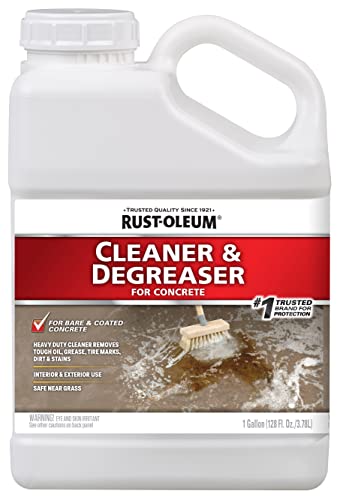
- Heavy-duty concrete degreaser for brake fluid spill
- Industrial concrete scrub brush with scraper for brake fluid removal


Before You Start
Clear the area and wear protective gloves and eyewear. Brake fluid is a chemical solvent that can damage finishes and irritate skin. Work from the outer edge toward the spill to prevent spreading. Test cleaning solutions on a small, inconspicuous spot to ensure the concrete does not discolor. Time estimate: 30–90 minutes for a typical spill, longer for large stains. Never mix cleaners with bleach or ammonia, and dispose of contaminated materials according to local regulations.
Step-By-Step: How To Clean Brake Fluid Off Concrete
- Contain the spill by surrounding it with absorbent pads and gently pressing to soak up as much fluid as possible.
- Remove soaked pads and seal them for disposal according to local guidelines.
- Apply a heavy-duty concrete degreaser to the affected area, following label directions for dilution and contact time.
- Let the degreaser sit for recommended minutes to loosen the residue.
- Use an industrial concrete scrub brush with scraper for brake fluid removal, applying firm, even strokes to lift the stain.
- Rinse the area with clean water, directing runoff away from plants and drainage points. Reassess the surface for remaining staining.
- Reapply degreaser or a mild detergent if needed, and repeat scrubbing and rinsing until the surface looks uniform.
- Allow the concrete to dry completely and inspect for any residual slick spots. Apply an absorbent pad to any outlying areas if necessary.
Troubleshooting
| Symptom | Likely Cause | Fix | Prevention |
|---|---|---|---|
| Stain remains after first pass | Deep-set stain or insufficient product contact | Reapply degreaser and scrub longer; use a second cleaning cycle | Address spills promptly; consider sealant for future protection |
| Greasy residue after rinse | Inadequate rinsing or buildup | Rinse again with ample water and use fresh absorbent pads | Keep runoff contained and dispose used pads correctly |
| Surface discolored | Aggressive cleaner or pH-sensitive concrete | Switch to a milder degreaser and test spot | Check product compatibility before full use |
| Slippery surface after cleaning | Residual liquid or incomplete drying | Allow more drying time and re-clean the area | Use fans or dehumidifier to speed up drying |
Common Mistakes
- Using bleach or ammonia with oil-based stains, which can create harmful fumes and worsen discoloration.
- Over-wetting the surface before absorbing fluids, which spreads the spill wider.
- Skipping a test patch on colored or porous concrete to check colorfastness.
To avoid these mistakes, follow manufacturer directions, perform spot tests, and work in a well-ventilated area.
Tips For Best Results
- Act quickly: the sooner you respond, the easier the cleanup.
- Choose a degreaser labeled for concrete and brake fluid compatibility.
- Use a stiff-bristled brush with a scraper to lift embedded residue.
- Rinse thoroughly and repeat as needed for stubborn stains.
- Consider applying a concrete sealer after cleaning to reduce future staining.
Call A Professional
Seek professional help if the spill covers a large area, the stain is deeply embedded, or the concrete serves as a high-traffic surface in a commercial setting. Signs to call a pro include persistent slick patches, significant discoloration, or hazardous chemical exposure concerns. Professionals can assess substrate damage, select industrial-grade cleaners, and ensure safe disposal of contaminated materials.
FAQ
Is brake fluid dangerous to rinse into the drain?
Yes. Brake fluid can contaminate water sources and should be collected and disposed of properly according to local regulations.
Can I use household degreasers on concrete spills?
Some household degreasers may work, but industrial or heavy-duty degreasers are typically more effective for brake fluid and concrete.
How long should I wait after applying degreaser?
Follow the label, but usually a few minutes are needed for the product to penetrate and loosen residue.
Will sealing the concrete prevent future stains?
Sealing can help reduce penetration and make future cleanups easier, but it does not eliminate stains from strong spills.
Buying Guide
When selecting products and tools to clean brake fluid off concrete, consider size, effectiveness, and safety. A compact kit with absorbent pads, a reliable degreaser, and a sturdy scrub brush is enough for most residential spills. For larger areas, choose industrial-grade options with clear usage instructions and proper disposal guidance. Look for products that are specifically formulated for concrete and oil-based stains, and verify compatibility with your surface type. Consider purchasing a concrete sealer for ongoing protection after cleaning.
Key Buying Factors
- Size and coverage: Choose absorbents and degreasers based on spill size to minimize rework.
- Effectiveness against brake fluid: Look for products labeled for oil-based stains on concrete.
- Safety and VOCs: Low-VOC formulas are better for indoor use and air quality.
- Surface compatibility: Ensure cleaners won’t discolor or damage your concrete.
- Disposal guidance: Clear instructions for safe disposal of contaminated pads and liquids.
- Ease of use: Ready-to-use sprays or concentrate with clear mixing instructions save time.
- Durability of tools: A heavy-duty scrub brush with scraper handles embedded residue more effectively.
- Placement considerations: If the spill is in a garage or workshop, ensure ventilation and drainage planning.
Leave a Reply