How to Unclog Roomba Clean Base
The Roomba Clean Base is designed to automatically empty the robot’s dustbin, but clogs can occur in the eject port, filter housing, or bagless dust drawer. When airflow is blocked, charging and docking can be disrupted, and the robot may repeatedly fail to deposit debris. This guide provides practical steps to safely clear a clogged Clean Base and restore normal operation.
Following proper safety practices protects your device and keeps you from damaging seals or sensors. The methods here emphasize simple, do-it-yourself steps that most owners can perform without tools beyond common household items.
Quick Answer
Short version: power off the Roomba, unplug the Clean Base, and inspect the intake, bag, and waste bin area for visible obstructions. Use a flexible brush or compressed air to dislodge debris, then reassemble and test. If the clog persists, consult the kit designed for Roomba Clean Base clog removal and consider a professional check.
What You’ll Need
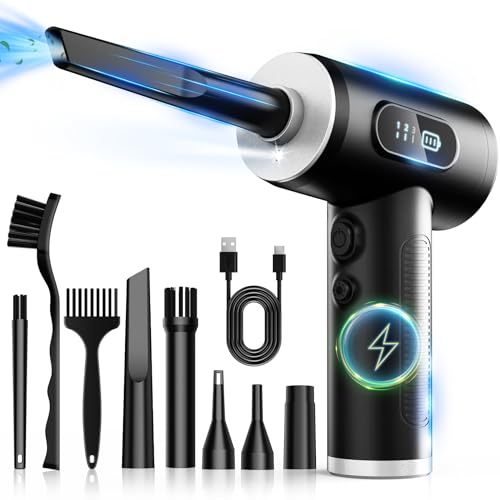
- Compressed air duster for electronics cleaning
- Vacuum crevice tool brush attachment
- Roomba Clean Base clog removal kit


Before You Start
Safety first: unplug the Clean Base from the wall outlet and remove the Roomba from the dock. Work in a well-lit area to spot loose fibers or threads that can cause jams. Allow the unit to cool if it has been in use recently. Time estimate: 20–40 minutes depending on the clog’s complexity. Important: avoid using liquids directly in the Clean Base; moisture can damage electrical components and create safety hazards.
Step-By-Step: How To Unclog Roomba Clean Base
- Power down and unplug: disconnect the Clean Base from power to prevent any accidental activation during cleaning.
- Remove the Roomba and access the dock: lift the robot from the base and open the base’s front panel or dust chute area to inspect for visible debris.
- Inspect the intake and ports: look for hair, fibers, or dust clogs near the suction inlet and inside the bag/drawer area. Use a flashlight if needed.
- Use the compressed air duster: carefully blow air through the intake and around any removable covers to dislodge dust build-up. Hold the can upright and avoid tilting to prevent liquid propellant release.
- Brush away stubborn particles: employ the vacuum crevice tool brush attachment to dislodge stuck hair or lint from corners, seals, and the edge of the bag or drawer.
- Check the bag or mess collection area: if your model uses a replaceable bag or reusable bin, remove and inspect for clogs and replace or rinse as allowed by the manufacturer’s guidance.
- Reassemble and test: reattach any covers, place the Roomba back on the Clean Base, and plug in. Run a quick test cycle to confirm airflow and normal operation.
- Monitor for residual issues: if the Base still sounds blocked or fails to empty, repeat inspection focusing on hidden channels or seek the next level of service.
Troubleshooting
| Symptom | Likely Cause | Fix | Prevention |
|---|---|---|---|
| Base won’t power on, or light indicators dim | Electrical contact or internal clog | Unplug, inspect connectors, reseat the docking unit | Keep area free of dust; use proper docking area |
| Refuses to empty or slow operation | Blockage in intake or bag/drawer | Clear debris with brush and air; replace bag/drawer if needed | Regular maintenance and timely bag replacement |
| Noisy operation | Debris lodged in moving parts | Clear all accessible parts and lubricate if manufacturer allows | Routine cleaning after long runs |
| Clog reappears after cleaning | Hidden channel or filter residue | Inspect secondary paths and filter; consider replacement | Prevent hair accumulation with routine checks |
Common Mistakes
- Using liquids near the electronics or inside the docking area
- Rushing the cleaning process and missing hidden clogs
- Disassembling parts beyond the intended access points
- Ignoring replacement schedules for filters or bags
Careful handling minimizes risk of damage and improves the longevity of the Clean Base.
Tips For Best Results
- Schedule regular maintenance to prevent buildup in the intake and drawer areas
- Store the Clean Base in a clean, low-dust area to reduce debris exposure
- Keep a dedicated can of compressed air for electronics handy but use it with care
- Use the vacuum crevice tool brush attachment after every few uses to maintain clear pathways
- Follow manufacturer guidance for any replacement parts to ensure compatibility
Call A Professional
Consult a professional if you notice persistent clogs after thorough cleaning, error codes related to the docking station, or signs of damaged seals or electrical burns. Do not attempt deep internal disassembly beyond the recommended access points.
FAQ
What causes roomba clean base to clog?
Common causes include hair and fiber buildup, dust accumulation, and partial detachment of the bag or drawer components.
Can I use household cleaners on the Clean Base?
Avoid liquids and cleaners; use only manufacturer-approved methods and dry tools to prevent damage.
Is a clog dangerous for the Roomba or the base?
Clogs can impair airflow and cause overheating or sensor false readings; clearing them promptly is recommended.
How often should I service the Clean Base?
Inspect monthly and perform a thorough cleaning every 1–2 months, or sooner with heavy use.
Buying Guide
When selecting accessories or a clog-removal kit, consider how often you clean the base, the amount of hair in your household, and the presence of pets. Key buying factors include size and compatibility with your Roomba model, noise level during operation, energy efficiency, and ease of use. A well-designed kit should include tools to address both visible and concealed clogs, as well as clear instructions. Some models offer an integrated solution with multiple attachments for quick maintenance. Compare options based on how effectively they clear hair, dust, and debris without damaging the docking station or seals. Also, check whether replacement parts are readily available and supported by the manufacturer. A practical approach is to match the tool types to your typical cleaning environment and to choose a kit that minimizes downtime during maintenance.
Leave a Reply