How to Clean Catfish Fillets for Fresh, Flaky Result
Cleaning catfish fillets properly is essential for maximizing yield, texture, and flavor in your favorite recipes. This guide walks American home cooks through a practical, step-by-step process that minimizes waste and keeps the meat pristine from farm to table.
Whether you’re preparing a simple pan-sear, a hearty fried catfish dish, or a delicate poached fillet, following best practices for cleaning, trimming, and prepping can save time and improve results in any kitchen.
Quick Answer
Clean, trim, and debone quickly using a sharp fillet knife, and use bone tweezers to remove remaining bones. Rinse fillets in cold water, pat dry, and proceed with your chosen cooking method. For best texture, work over a clean, cold surface and keep fillets cold until ready to cook.
What You’ll Need
- catfish fillet knife stainless steel 6 inch
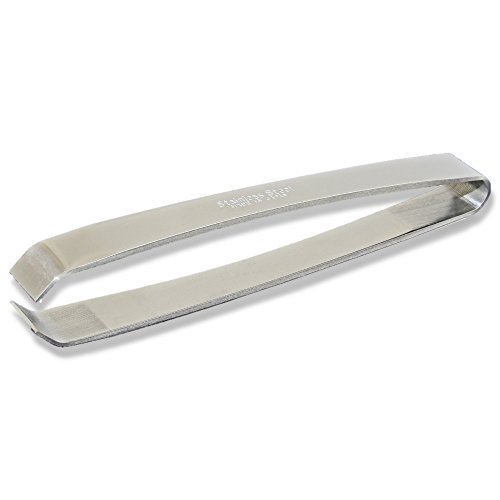
- fish bone tweezers stainless steel for filleting
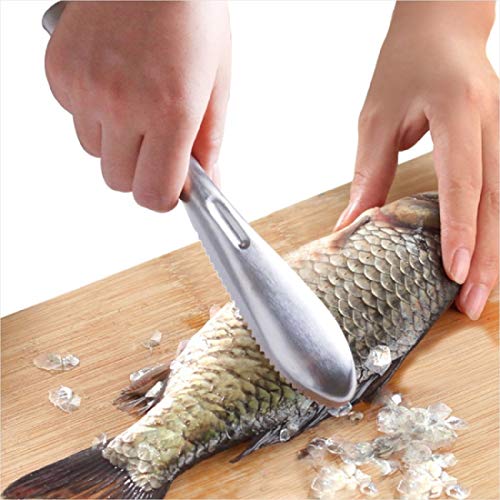
- fish scaler cleaning tool stainless steel

Before You Start
Prepare a clean workspace with a large, shallow tray for the fillets. Keep a bowl of icy cold water nearby for quick rinses and chilling. Always wash hands and surfaces after handling raw fish, and maintain good hygiene to prevent cross-contamination. Time estimates: setup 5 minutes, cleaning 5–10 minutes per pound of fish.
Step-By-Step: How To Clean Catfish Fillets
- Rinse the whole fillet under cold running water to remove slime and surface scales.
- Place the fillet skin-side down on a stable cutting board and inspect for any dark bloodline or residual ribs.
- Using a catfish fillet knife stainless steel 6 inch, make a shallow cut along the edge to separate the fillet from any remaining skin or bones as needed.
- Skim away any dark meat or sinewy sections with smooth, even strokes to keep the fillet uniform in thickness.
- Turn the fillet over and run the knife along the center to remove any tenderness or bone remnants, if present.
- Use fish bone tweezers stainless steel for filleting to gently pull out pin bones that may be left in the fillet.
- Remove any remaining scales or skin fragments with a light scrape using the fish scaler cleaning tool stainless steel.
- Rinse again briefly and pat dry with a clean towel or paper towels to prevent moisture buildup on the surface.
- Trim evenly to your desired thickness and portion size for cooking, then refrigerate briefly if not cooking immediately.
- Proceed with your recipe, whether frying, baking, or sautéing, using evenly prepared fillets for consistent results.
- If freezing, wrap fillets tightly to prevent freezer burn and label with date for best quality.
- Clean and sanitize the workspace and tools after finishing to maintain food safety standards.
Troubleshooting
| Symptom | Likely Cause | Fix | Prevention |
|---|---|---|---|
| Fillet sticks to knife | Dull knife or improper technique | Sharpen blade; use a smooth, long stroke | Keep knife sharp; clean as you go |
| Bones remain in fillet | Pin bones not fully removed | Re-inspect with bone tweezers; feel for bones | Check fillets thoroughly before cooking |
| Fillets tear or shred | Rough handling or skin firmly attached | Use a gentle touch; trim away problem areas | Work slowly, maintain a clean surface |
| Rancid odor after cutting | Fish not fresh or improper storage | Inspect freshness; discard if off-smelling | Keep cold; use promptly |
Common Mistakes To Avoid
- Using a dull knife that crushes the meat rather than cleanly slicing it
- Not removing all pin bones, leading to an unpleasant bite
- Rinsing fillets with hot water, which can cook the surface and affect texture
- Failing to pat fillets dry, causing oil splatter or soggy coatings
Tips For Best Results
- Keep fillets cold throughout the process to maintain firm texture
- Use a catfish fillet knife stainless steel 6 inch for precise cuts and better control
- Have a separate set of tools for raw fish to minimize cross-contamination
- When deboning, work slowly and feel for bones with fingertips or tweezers
- Pat fillets dry well before seasoning or breading to improve crispiness
Call A Professional
Seek professional help if the fish shows signs of spoilage, strong ammonia odor, or unusual discoloration that cannot be explained by freshness alone. If you are handling large quantities or unique species, a local fishmonger or culinary instructor can provide hands-on guidance.
FAQ
How can I tell if catfish fillets are fresh?
Fresh fillets have a mild, ocean-like scent, firm texture, and clear, bright color without dullness or slime.
What’s the best knife for filleting catfish?
A 6-inch stainless steel fillet knife offers precise cuts and easy maneuverability for beginners and pros alike.
Should I remove the skin before cooking?
Skin on or off depends on the recipe; skinless fillets cook evenly, while skin adds protection during pan-searing.
How should I store catfish fillets before cooking?
Store in the coldest part of the refrigerator, ideally on ice or wrapped tightly, and use within 1–2 days for best flavor.
Can I freeze fillets if I’m not cooking soon?
Yes, wrap tightly and freeze; thaw slowly in the refrigerator before using for best texture.
Is it okay to rinse fillets with water again after cleaning?
Light rinsing with cold water is fine, but avoid soaking which can dilute flavor and texture.
Are there substitutes for bone tweezers?
Plain kitchen tweezers or forceps can work; ensure they are clean and designed for delicate work.
Buying Guide
When selecting tools for cleaning catfish fillets, consider size, material, and ergonomics. A catfish fillet knife stainless steel 6 inch offers precision without being cumbersome for small hands, while a dedicated fish scaler cleaning tool stainless steel helps remove scales without damaging meat. Fish bone tweezers stainless steel for filleting should be sturdy enough to grip tiny bones yet gentle on fillets. Look for rust-resistant finishes, comfortable grips, and easy maintenance. Think about how you’ll store tools in your kitchen and whether you prefer a compact setup for small spaces or a full-scale filleting station for frequent use. For recipes that demand delicate texture, ensure blades stay sharp and easy to clean after every use.
Leave a Reply