How to Get Rid of Egg Smell in Dishwasher
Egg odors can linger in dishwashers even after cycles, especially when residual egg traces remain in seals, filters, or spray arms. Effective deodorizing combines thorough cleaning with odor-neutralizing products to prevent future odors. The following guide walks through practical steps using enzyme-based cleaners and odor-eliminating tablets and sprays designed for dishwashers.
Quick Answer
Run a hot-cycle cleaning with an enzyme-based dishwasher cleaner to break down organic residues. Follow with odor-eliminating tablets or a dishwasher deodorizer spray to neutralize lingering scent. Clean the filter and spray arms, and keep up a regular cleaning schedule to prevent egg smells.
What You’ll Need
- Enzyme-based dishwasher cleaner odor eliminator
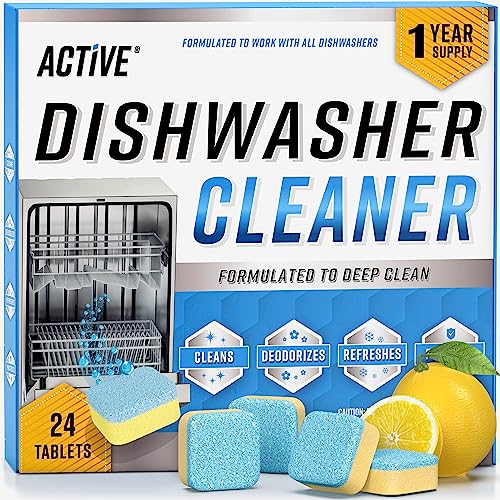
- Dishwasher cleaning tablets odor elimination
- Dishwasher deodorizer spray for egg smell


Before You Start
Safety first: unplug and remove racks to access the bottom and filter. Check the dishwasher’s manual for safety notes. Clear loose debris from the sump and filter. Use hot water for effective cleaning, and ensure the kitchen area is well-ventilated. Time estimate: 45–60 minutes for deep clean; 10–15 minutes for maintenance cleanings.
Step-By-Step: How To Get Rid Of Egg Smell In Dishwasher
- Remove racks and manually inspect the floor of the dishwasher for any loose eggs or yolk; wipe with paper towels and discard.
- Remove and rinse the filter; scrub with a brush under warm water to remove trapped residues.
- Mix a hot-water rinse with enzyme-based dishwasher cleaner odor eliminator according to package directions and run a full wash cycle without dishes.
- After the cycle, inspect spray arms for clogs; use a toothpick or small brush to clear any blocked holes.
- Place dishwasher cleaning tablets odor elimination in the detergent compartment or run an empty cycle with the tablets, as directed by the manufacturer.
- Apply dishwasher deodorizer spray for egg smell to the door seal and interior corners, avoiding moving parts during operation.
- Run a second hot rinse cycle to ensure all cleaners and deodorants are flushed out.
- Wipe dry all accessible interior surfaces and allow the door to stay open between uses to minimize moisture buildup.
- Set a monthly maintenance routine: a quick wipe-down, a brief hot wash with cleaner, and occasional deodorizer spray as needed.
- Keep utensils and dishes free of strong odor residues to reduce transfer into the dishwasher environment.
Troubleshooting
| Symptom | Likely Cause | Fix | Prevention |
|---|---|---|---|
| Persistent egg smell after cleaning | Residual biofilm in filter or sump | Clean filter and run enzyme-based cleaner again | Clean monthly; inspect seal for buildup |
| Odor returns within days | Moist environment and hidden residues | Wipe interior plus spray seal; run deodorizing spray | Leave door ajar after cycles to air dry |
| Smell only on one side | Door seal or gasket trapped debris | Clean gasket with mild cleaner and rinse | Inspect seals during maintenance |
| Clogged spray arms | Egg fragments or mineral buildup | Clear holes with a pin or brush | Regularly flush arms during cleanings |
Common Mistakes
- Relying on a single wash to remove all buildup
- Using only water without enzymatic cleaners on organic residues
- Ignoring door seals and gaskets where odors concentrate
- Overfilling with detergent or cleaners, causing residue
Tips For Best Results
- Use an enzyme-based cleaner odor eliminator to break down proteins that cause egg smells.
- Run maintenance cycles with the dishwasher empty to target hidden residues.
- Clean the filter, spray arms, and door seal at least once a month.
- Keep the dishwasher door slightly ajar after cycles to allow air circulation and drying.
- Consider scheduling a quarterly deep clean for households with frequent odor issues.
Call A Professional
Seek professional help if odors persist after thorough cleaning, if there is visible mold, or if the dishwasher leaks water during cycles. A technician can inspect internal components such as the drain hose, pump, or internal seals for odor-causing issues and perform deeper sanitation if needed.
FAQ
What causes egg smell in a dishwasher?
Protein residues from eggs can cling to filters, seals, and spray arms, decomposing and emitting sulfurous odors if not fully cleaned.
How often should I clean my dishwasher to prevent odors?
Perform a deep clean every 1–3 months, and a quick wipe-down after each use to minimize buildup.
Can I use vinegar to remove egg odors?
Vinegar is not recommended for cleaning sensitive dishwasher components; use enzyme-based cleaners and tablet-based odor eliminators instead.
Is it safe to spray deodorizer inside the dishwasher?
Yes, use a product designed for dishwashers and avoid spray near the spray arms during operation.
Will running hot water help remove odors?
Yes, hot water helps dissolve fats and proteins; pair with targeted cleaners for best results.
Should I leave the door open after cleaning?
Yes, leaving the door ajar briefly helps air-dry and prevents moisture buildup that can foster odors.
Buying Guide
When choosing products to combat egg smells in the dishwasher, consider size, effectiveness, and compatibility with your appliance. Look for enzyme-based cleaners that target organic residues, odor-eliminating tablets for ongoing maintenance, and a deodorizer spray formulated for dishwashers. Here are key factors to evaluate:
- Size and frequency of use: Choose cleaners and sprays that match your dishwasher’s capacity and your cleaning cadence.
- Odor elimination vs. cleaning power: A combination approach (cleaner + deodorizer) typically yields the best results.
- Compatibility: Ensure products are safe for stainless steel interiors and plastic components common in U.S. dishwashers.
- Control over residues: Prefer products that rinse clean and leave no residues on dishes or the interior.
- Placement and use: Check whether tablets go in the detergent cup or need a separate tray, and how sprays are applied.
For the best results, use a balanced routine: enzyme-based cleaner options to dissolve organic matter, odor-elimination tablets for ongoing freshness, and a dedicated deodorizer spray for hard-to-reach areas. Regular maintenance helps keep eggs and other food odors from returning, and choosing trusted, dishwasher-safe products ensures safety and effectiveness in everyday American kitchens. Do you keep a regular cleaning schedule for your dishwasher, or could this routine improve freshness and efficiency?
Leave a Reply