How to Clean Teflon Pans Safely and Effectively
Cleaning Teflon and other nonstick pans requires care to protect the coating and keep food from sticking. This guide provides practical steps to restore shine, minimize damage, and extend the life of your nonstick cookware for American kitchens.
Quick Answer
Use warm water and a mild dish soap with a soft sponge or a non-scratch nylon scrubber. Avoid abrasive pads, harsh chemicals, and high heat during cleaning. Dry promptly and store with care to prevent coating wear.
What You’ll Need
- Nonstick pan scrubber nylon bristle brush
- Silicone pan scraper safe for nonstick cookware
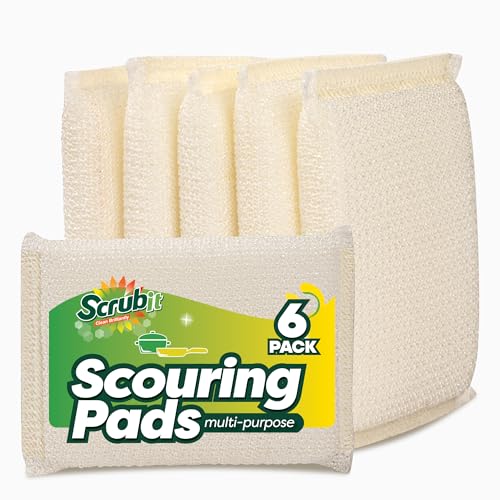
- Nonstick cookware cleaning sponge non-scratch nylon


Before You Start
Before cleaning, allow the pan to cool completely to prevent warping. Use warm water rather than hot, which can degrade the coating. Avoid metal utensils and abrasive cleaning tools, which can scratch Teflon. If the pan has stubborn residue, plan for a longer soak rather than scrubbing vigorously. Estimate cleaning time for a routine wash: 5–10 minutes; for baked-on residue: 15–25 minutes.
Step-By-Step: How To Clean Teflon Pans
- Rinse the pan with warm water to loosen loose food particles.
- Fill the sink or a basin with warm, soapy water. Use a mild dish detergent formulated for nonstick cookware.
- Soak the pan for 5–15 minutes to help release stubborn residues without scrubbing.
- Gently wipe or scrub with a nonstick pan scrubber nylon bristle brush or a nonstick cookware cleaning sponge non-scratch nylon to avoid scratching the coating.
- For stuck-on spots, use a silicone pan scraper safe for nonstick cookware to lift residue without abrasion.
- Avoid soaking too long if the pan has a delicate coating; rinse and re-evaluate before continuing.
- Rinse thoroughly with warm water to remove all soap residues.
- Dry completely with a soft towel and store away from heavy objects that could scratch the surface.
Troubleshooting
| Symptom | Likely Cause | Fix | Prevention |
|---|---|---|---|
| Food sticks even after cleaning | Poor seasoning or worn coating | Season pan lightly with a neutral oil after cleaning and heating briefly | Avoid overheating; use low to medium heat |
| Scratches visible after washing | Using abrasive tools | Switch to non-scratch nylon tools | Never use metal spatulas or steel wool |
| Discoloration or dull finish | Overheating or improper cleaning | Clean with mild soap and avoid high heat steps | Maintain moderate heat and proper cleaning routine |
| Residue clinging to surface | Soap residue or mineral deposits | Rinse thoroughly; consider a vinegar rinse for mineral buildup | Rinse well after each wash |
Common Mistakes
- Using abrasive pads like steel wool or rough scouring pads
- Using harsh detergents or oven cleaners on nonstick coatings
- Overheating pans or cooking on high heat frequently
- Letting pans soak for extended periods with aggressive cleaners
- Storing pans with utensils or other cookware pressing into the surface
Tips For Best Results
- Always wash promptly after use to prevent oil and residue from bonding to the surface
- Prefer mild dish soap and warm water; reserve stronger cleaners for rare cases
- Use low to medium heat when cooking to reduce coating wear
- Season lightly after thorough cleaning to maintain a smooth, nonstick surface
Call A Professional
Consider a professional assessment if the nonstick coating shows deep pitting, widespread peeling, or extensive delamination. Stop using the pan if the coating is flaking and contact the manufacturer or a cookware repair service for guidance.
FAQ
Can I put nonstick pans in the dishwasher?
Most nonstick pans are not dishwasher-safe; hand washing is recommended to preserve the coating.
What should I do if the coating starts peeling?
Cease using the pan and consult the manufacturer for replacement options or guidance.
Is it safe to use a sponge with soap on nonstick pans?
Yes, as long as the sponge is soft and non-abrasive, and soap is mild.
How can I prevent food from sticking in the first place?
Cook with a small amount of oil or spray, preheat appropriately, and avoid high heat that can degrade the surface.
Buying Guide
Choosing the right nonstick pan involves several factors that influence performance and longevity. Consider size and weight for your typical cooking tasks, noise and ease of handling, energy efficiency, controls or lids, and placement in your kitchen.
Size And Configuration
Common sizes range from 8 to 12 inches. For families or frequent entertaining, a larger pan offers versatility; for singles or compact kitchens, an 8–10 inch option is usually sufficient.
Coating Durability
Look for PFOA-free nonstick coatings from reputable brands. Some newer coatings advertise reinforced durability and better release; reading user reviews helps assess real-world performance.
Heat Tolerance
Most nonstick pans perform well at medium heat. If you often cook at higher temperatures, consider a pan designed for higher heat resistance or one with a reinforced coating.
Care Requirements
Check whether the pan is dishwasher-safe and the recommended cleaning approach. This affects daily routine and long-term maintenance.
Walls, Sides, And Handles
Solid handles with secure rivets improve handling and safety. Some pans feature silicone rims or stay-cool handles for comfortable use.
Placement And Storage
Store pans with protection between surfaces to prevent scratches. Use a vertical rack or soft cloth between cookware to minimize coating wear when stacked.
Energy Efficiency And Cooking Style
Nonstick pans heat quickly and evenly, which can reduce energy use in daily cooking. Choose shapes and sizes that align with your most-used cooking methods (sautéing, pan-frying, or simmering).
Leave a Reply