How to Remove Dish Soap Residue From a Dishwasher
Dish soap residue in a dishwasher can leave dishes cloudy and engines running inefficiently. This guide provides a practical, step-by-step approach to flush out soap buildup, restore cleaning performance, and prevent suds from returning. Clear evidence-based methods help American households maintain a spotless, odor-free appliance.
Following simple routines with common tools can make a noticeable difference. The focus is on safe cleaning practices that protect seals, filters, and the dishwasher’s internal components while using products designed for this purpose.
Quick Answer
Immediately run a hot rinse cycle without dishes to flush suds, then use a descaler or appropriate cleaner, and finish with a thorough cleaning of filters and spray arms. Regular maintenance will reduce soap residue and improve drying performance.
What You’ll Need
- Dishwasher cleaning brush
- Dishwasher descaler powder kit
- Dishwasher filter cleaning tool
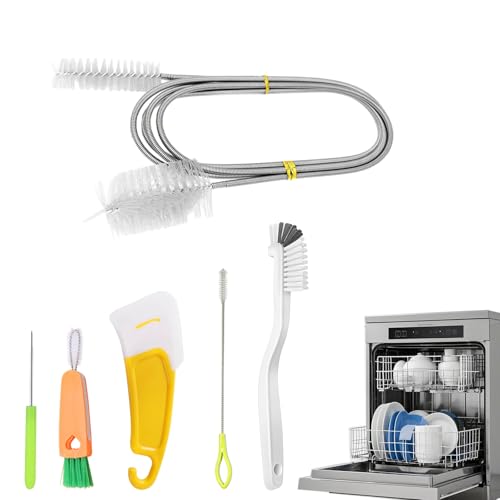
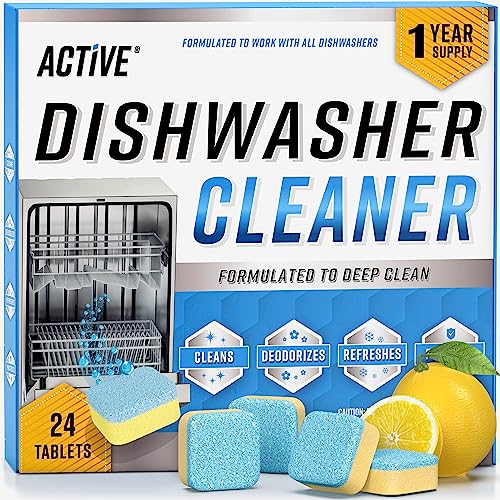
Before You Start
Ensure the dishwasher is cool to the touch and unplugged if you’re inspecting components manually. Remove all racks to access filters and spray arms. Do not mix cleaning agents or use household bleach with operator-approved dishwasher cleaners. Plan for a 60–90 minute window, including a full cycle rinse, cleaning, and a final run with empty dishes to verify freshness.
Step-By-Step: How To Remove Dish Soap Residue From A Dishwasher
- Run an empty hot-water cycle to clear loose suds from the tub.
- Inspect the spray arms for clogs; remove any debris with the dishwasher cleaning brush.
- Remove and rinse the filter assembly; use the dishwasher filter cleaning tool to scrub away trapped suds and residue.
- Apply a dishwasher descaler powder kit according to package directions to dissolve mineral deposits and soap buildup.
- Reinstall filters and spray arms; run a test cycle with a small amount of detergent to confirm no suds remain.
- Wipe seals and door gaskets with a damp cloth to remove residual soap film.
- Run a second hot cycle with no detergent to ensure all residues are flushed out.
- Inspect the interior after the cycle—look for clear water flow and normal draining.
- Repeat the descaling step if mineral buildup persists, but avoid overuse of descalers.
- Schedule a monthly maintenance routine that includes cleaning filters, arms, and a descaler use as needed.
- Document any recurring issues (unusual noises, poor draining) for professional evaluation if symptoms persist.
Troubleshooting
| Symptom | Likely Cause | Fix | Prevention |
|---|---|---|---|
| Suds stay after cycle | Detergent overload or residue from soap | Run empty rinse cycle; switch to the recommended amount | Use proper detergent and avoid double-dose cycles |
| Dishes still dirty | Clogged spray arms or dirty filter | Clean arms and filter with the dishwasher cleaning tool | Clean filters monthly, inspect spray arms |
| Unpleasant odor | Soap film plus trapped food debris | Clean tub with descaler and wipe seals | Run hot cycles regularly and remove debris promptly |
| Water doesn’t drain | Blocked filter or pump | Clear filter and check pump area | Keep filtration clear after each load |
Common Mistakes
- Using too much dish soap or soap-based cleaners in the dishwasher
- Forgetting to clean the filter or spray arms between cycles
- Relying on one cleaning method too often instead of a balanced routine
- Ignoring warning signs like unusual noises or standing water
Tips For Best Results
- Run a hot rinse cycle immediately when you notice suds and residue
- Use the dishwasher descaler powder kit as directed, not as a substitute for regular cleaning
- Clean filters and spray arms every 1–2 months, depending on usage
- Choose a quality, detergent designed for high-efficiency (HE) dishwashers
- Keep the dishwasher door slightly ajar after cycles to facilitate drying and odor control
Call A Professional
Consider contacting a professional if you notice persistent leakage, unusual noises, or standing water that does not drain after multiple attempts to clean and descale. If the dishwasher is new and repeatedly shows residue issues despite proper cleaning, consult a technician to check seals, hoses, and the pump.
FAQ
Can I use regular soap for cleaning my dishwasher?
Avoid regular dish soap inside the dishwasher; it creates excessive suds and can damage components. Use products designed for dishwashers and follow label directions.
How often should I descale my dishwasher?
Descale as needed based on mineral buildup; typical guidance is every 1–3 months for hard water regions, or when you notice reduced cleaning performance.
What’s the best way to clean the filter?
Remove the filter, rinse under warm running water, and scrub with a soft brush to remove residue. Dry before reinstalling.
Is there a risk to seals when using descalers?
Most descalers are formulated to be safe for seals when used as directed. Avoid overuse and frequent application beyond manufacturer recommendations.
Buying Guide
When selecting products to prevent and remove dish soap residue, consider size, compatibility with your dishwasher model, and ease of use. Important factors include:
- Descaler powder kit compatibility with common dishwasher brands and water hardness levels
- Dishwasher cleaning brush design that reaches spray arms and filters without scratching surfaces
- Dishwasher filter cleaning tool ease of disassembly and effective bristles or tips
For optimal performance, pair these tools with routine maintenance. Evaluate noise levels and energy efficiency, especially if cycles occur during the evening or in open-plan spaces. Consider a simple, single-bottle descaler for light mineral buildup and a multi-step cleaning kit for tougher residues. Placement should allow easy access to water supply, drainage, and electrical outlet, with a stable surface to prevent tipping during maintenance.
Leave a Reply