How to Get Rid of Pie: Quick Cleanup and Disposal Guide
Pie leftovers are a common kitchen challenge after gatherings or holiday meals. This guide provides a practical, safe, and efficient approach to disposing of pie and cleaning up the baking dishes and tools involved. It covers quick disposal methods, safe handling, and how to prevent waste from turning into a bigger cleanup task.
Quick Answer
For immediate disposal, seal pie portions in sturdy bags or containers and place in the trash or compost if appropriate. Let any cooling dishes cool first, then clean with warm soapy water. Use a silicone spatula and a pastry scraper to lift leftovers from bowls or pans, and a pie server to portion and transfer pie slices without mess.
What You’ll Need
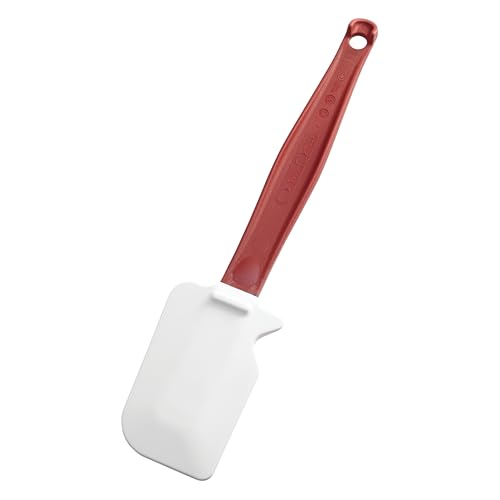
- silicone spatula heat resistant 9 inch for baking
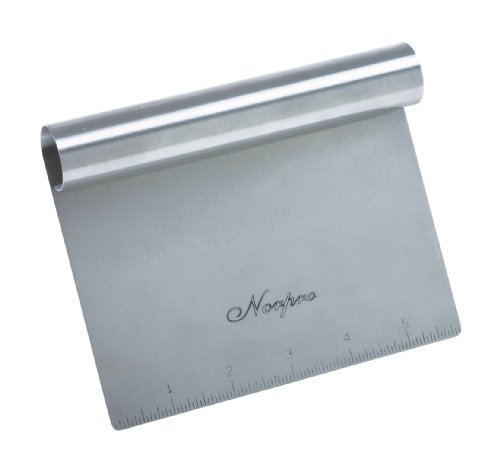
- stainless steel pastry scraper 4 inch dough scraper
- pie server stainless steel 9 inch with forked tines

Before You Start
Plan for a quick, mess-free disposal process. Have a trash can and compost bin ready if your pie contains compostable ingredients. Ensure the kitchen workspace is clear and stable, and use oven mitts when handling hot dishes. The total process typically takes about 15–30 minutes, depending on pie size and the number of leftovers.
Caution: Hot pie dishes can burn. Use protective gloves and long-handled tools to avoid steam or splatters. Keep raw ingredients separate from ready-to-eat portions to prevent cross-contamination.
Step-By-Step: How To Get Rid Of Pie
- Let the pie cool briefly on a rack before handling to avoid burns and warping of the dish.
- Decide disposal path: trash, compost (if permitted), or reuse leftovers for future meals. Separate any decorative toppings if needed.
- Cut or slice remaining pie into smaller portions using a pie server to minimize waste and make transport easier.
- Use a silicone spatula to scrape any filling from the pie plate into a disposal bin or container.
- Wipe away excess filling from the dish with a damp paper towel or spatula to reduce mess before washing.
- Rinse the dish with warm water, then apply dish soap and scrub with a pastry scraper or sponge as needed.
- For stubborn residue, soak the dish in warm, soapy water for several minutes before rescrubbing.
- Dry the dish completely before storing or stacking to prevent moisture buildup and odors.
- Recycle or dispose of packaging materials from the pie and related ingredients as available in your locale.
- Return tools to their proper places: silicone spatula in a utensil holder, scraper with other baking tools, and the pie server in a drawer.
- Consider freezing small portions for future use if appropriate; label containers clearly.
- Clean up the workspace: wipe countertops, wash any towels or cloths used, and sanitize surfaces if needed.
Troubleshooting
| Symptom | Likely Cause | Fix | Prevention |
|---|---|---|---|
| Filling sticks to dishes after washing | Residual sugars or fats cling to surface | Soak longer in warm, soapy water; scrub with silicone spatula | Pre-rinse with hot water after serving |
| Dish smells after cleanup | Linger odors from fruit or dairy | Wash with a splash of vinegar or baking soda in hot water | Rinse thoroughly and dry promptly |
| Stainless steel scraper or spatula stained | Food oils and pigments | Use a mild abrasive pad or paste made from baking soda and water | Clean soon after use |
| Pie plate sticks to edges during cleaning | Dried filling or crust baked onto edges | Soak in warm, soapy water; loosen crust with a scraper | Wash promptly after use |
Common Mistakes
- Trying to force leftover pie out of the dish without cooling, which can cause splashes or burns.
- Using abrasive tools that scratch nonstick or decorative pie plates.
- Neglecting to rinse and dry tools, leading to rust or odors over time.
- Discarding edible leftovers when they could be repurposed into desserts or meals.
Tips For Best Results
- When possible, portion pie before cooling completely to minimize mess during serving and disposal.
- Keep a dedicated set of baking tools for messy tasks to reduce cross-contamination and simplify cleanup.
- Rinse utensils under hot running water as you go to prevent hardening of fillings on surfaces.
- If you compost, check local guidelines on pie crusts and dairy to avoid attracting pests.
- Store clean utensils in a dry, accessible place to speed up future cleanup tasks.
Call A Professional
Call a professional if you encounter persistent odors that do not dissipate after cleaning, or if there is damage to kitchen surfaces that affects food safety. Seek assistance for pest issues arising from spoiled pie or if a spill involves hazardous materials or structural damage.
FAQ
Is it safe to compost pie?
Composting is possible for many pie components, but avoid dairy-heavy fillings in municipal composts unless allowed by local guidelines.
What should I do with empty pie tins?
Recycle if accepted; otherwise rinse and store for reuse or proper disposal.
How can I prevent pie leftovers from causing odors?
Store leftovers in sealed containers and refrigerate promptly; wipe containers before storing.
Can I reuse crusts for another recipe?
Yes, if crusts are still fresh and clean; crumble or press into a new crust for tarts or quiches.
What if I spill hot filling on my skin?
Run cool water over the area and seek medical advice if irritation persists.
Should I rinse tools before washing?
Yes, a quick rinse helps remove loose residue and reduces splatter during washing.
Is there a faster way to dispose of pie?
Slice and bag leftovers, place in containers, and discard in the trash or compost as allowed by local rules.
Buying Guide
When choosing baking tools for handling pie and cleanup, consider size, material, and durability. For quick disposal and cleanup, opt for heat-resistant silicone spatulas (around 9 inches) and sturdy metal dough scrapers (around 4 inches) that can handle sticky fillings without staining. A long, forked-tine pie server helps transfer slices neatly and reduces drips. Look for dishwasher-safe items, rust resistance, and comfortable grips to speed up post-baking cleanup. Consider storage space, ease of sanitizing, and how the tools fit into your existing kitchen workflow. For households that bake frequently, investing in reliable, easy-to-clean utensils minimizes mess and makes cleanup more efficient.
Leave a Reply