How to Get Rid of Whiteflies on Indoor Plants
Whiteflies are tiny, winged insects that can quickly turn indoor greenery from vibrant to distressed. This guide provides practical, step-by-step methods tailored for American households to control and prevent whiteflies on houseplants using safe, effective tools.
By following a structured plan that combines preventative care, targeted treatments, and ongoing monitoring, indoor plants can recover health and resilience. The focus is on accessible options such as neem oil spray for houseplants whiteflies, insecticidal soap for whiteflies on houseplants, and yellow sticky traps whiteflies indoor plants, all chosen for home use and safety.
Quick Answer
Immediate steps: isolate affected plants, inspect for eggs on undersides of leaves, and start a routine of neem oil spray for houseplants whiteflies or insecticidal soap for whiteflies on houseplants. Place yellow sticky traps whiteflies indoor plants nearby to catch adults and reduce reproduction.
What You’ll Need
- Neem oil spray for houseplants whiteflies
- Insecticidal soap for whiteflies on houseplants
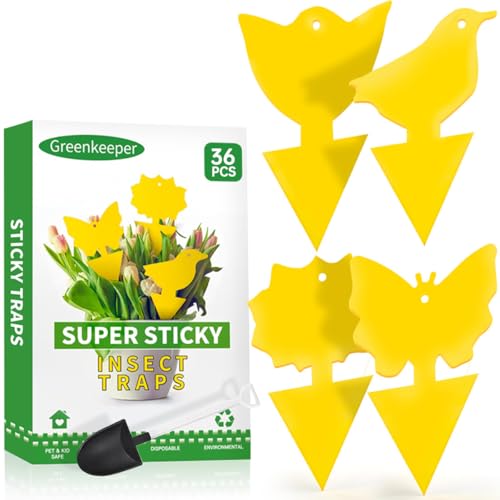
- Yellow sticky traps whiteflies indoor plants
- Water spray bottle
- Soft cloth or sponge
- Dish soap (mild) for homemade soap solution (optional)
- Gloves and eye protection (optional but recommended)
- Healthy potting mix and clean pots for transplanting (optional)

Before You Start
Assess the infestation level by gently shaking a stem over a white sheet of paper to observe tiny specks that move. Begin treatments only on healthy, actively growing plants. Avoid applying oils or soaps in direct sunlight or on stressed plants, as it can cause leaf burn. Test any product on a small leaf patch 24 hours before broader application to check for sensitivity. Allow at least 24–48 hours between spray sessions to prevent plant stress. Plan for a treatment window of 1–2 weeks, repeating as needed.
Step-By-Step: How To Get Rid Of Whiteflies On Indoor Plants
- Quarantine affected plants to prevent spread to others. Move them away from the collection, preferably in a separate room or area.
- Inspect undersides of leaves for whitefly nymphs, eggs, and adults. Use a magnifier if needed to confirm an active infestation.
- Apply neem oil spray for houseplants whiteflies according to label directions, covering both the tops and undersides of leaves. Focus on heavily infested areas.
- Follow with a light rinse using a water spray to remove dead insects and reduce residue on foliage. Wipe the leaf surfaces gently with a soft cloth if necessary.
- Apply insecticidal soap for whiteflies on houseplants as a contact killer, ensuring to coat the undersides of leaves where eggs and nymphs reside. Do not saturate soil unless the product instructions permit it.
- Set up yellow sticky traps whiteflies indoor plants near the top of plant canopies and along pot edges to capture adults and monitor activity.
- Repeat oil/soap treatments every 7–10 days for 3–4 cycles, spacing applications to avoid plant stress and to target new generations.
- Rinse or prune severely infested leaves if yellowing occurs. Remove heavily damaged foliage to reduce ongoing feeding pressure.
- Improve air circulation around plants and maintain consistent, appropriate watering. Keep soil from staying overly wet, which can worsen pest problems.
- Replace or refresh yellow traps as they become obscured by dust or captured insects, maintaining ongoing monitoring.
- Consider introducing beneficial allies like predatory insects only if you have compatible houseplants and space, ensuring house safety and non-toxicity to residents.
- Document progress with regular checks and adjust treatment frequency based on plant response and trap counts.
Troubleshooting
| Symptom | Likely Cause | Fix | Prevention |
|---|---|---|---|
| Leaves curling or stippling after treatment | Over-application or sensitive plant species | Rinse with water and reduce concentration, then reapply lighter | Test product on a small area first |
| Sparse control after first spray | Eggs and early nymphs not yet exposed | Continue 2–3 more cycles as per label timing | Begin treatment at first sign of adults |
| Sticky residue on leaves | Overapplication of oils or soaps | Rinse and adjust product amount for next cycle | Use sparing amounts and follow label directions |
| Persistent whiteflies despite traps | Underside leaf infestation or hidden eggs | Increase monitoring, focus sprays on undersides | Regular checks and early intervention |
Common Mistakes
- Applying oils or soaps during intense sunlight or heat, leading to leaf burn.
- Overwatering the soil while treating, which can foster a different pest problem.
- Relying on a single method; whiteflies reproduce quickly and require multiple approaches.
- Neglecting undersides of leaves where eggs and nymphs hide.
Tips For Best Results
- Always shake or agitate hot spots before applying any spray to ensure even coverage.
- Use yellow sticky traps whiteflies indoor plants as a monitoring tool, not just a decorative feature.
- Combine products with good cultural care: adequate light, air movement, and proper watering routines.
- Rotate between products when infestations persist to prevent resistance buildup.
- Keep a pest diary: note dates of application, plant species, and observed changes.
Call A Professional
Call a professional if whiteflies spread to a large number of plants, show resistance to standard treatments, or if indoor plants include fragile species with sensitive foliage. Seek expert help if houseplants are part of a business setting or if residents have allergies and require careful product use. Signs to stop DIY treatment and consult an arborist or plant specialist include widespread yellowing, persistent mold growth due to honeydew, or systemic pest symptoms that do not respond to routine measures.
FAQ
What kills whiteflies instantly on indoor plants?
Use a combination of neem oil spray for houseplants whiteflies and insecticidal soap for whiteflies on houseplants with thorough undersides coverage, followed by yellow sticky traps to monitor ongoing activity.
Can yellow sticky traps alone control whiteflies?
Yellow traps help catch adults and reduce reproduction, but they should be used with adult-killing sprays for effective control.
Is neem oil safe for indoor plants?
Yes, when used as directed, neem oil is generally safe for indoor plants and beneficial insects not present indoors. Avoid high concentrations and direct sun exposure during application.
Should I remove eggs from leaves by hand?
Hand-removal is impractical on most houseplants; use targeted sprays to reach undersides where eggs and nymphs reside, and maintain consistent monitoring.
How often should I spray?
Most treatments are applied every 7–10 days for 3–4 cycles, depending on plant health and infestation level. Always follow label guidance.
Buying Guide
When choosing products to tackle whiteflies on indoor plants, consider size, noise level, energy efficiency, controls, and placement. For ongoing maintenance, a combination approach works best—neem oil spray for houseplants whiteflies provides systemic-ish coverage, while insecticidal soap for whiteflies on houseplants delivers contact control. Yellow sticky traps whiteflies indoor plants offer simple monitoring and an early warning system. Look for products labeled safe for indoor use, compatible with common houseplants, and easy to apply in vertical or hanging plant setups. Assess whether you prefer ready-made sprays, concentrated formulations, or a kit that integrates traps with solution. Finally, ensure the packaging includes clear instructions and safety warnings suitable for home use.
Leave a Reply