How to Remove Sticky Skin Residue Without Harsh Scrubbing
Sticky skin residue from adhesives, makeup, or medical tapes can feel uncomfortable and look uneven. This guide walks through safe, practical steps to remove sticky residue while protecting skin health. Proper product choices and gentle techniques help avoid irritation and keep skin smooth.
Quick Answer
Gently soften the residue with a mild, skin-safe remover, then wipe away with a clean cloth or cotton pad. Rinse with water, and moisturize to restore skin barrier. If irritation occurs, stop and reassess the product choice.
What You’ll Need
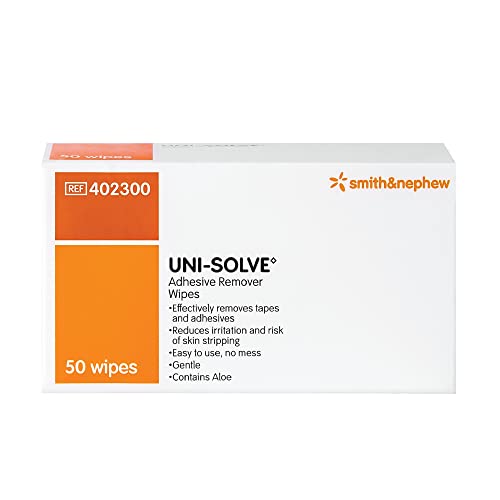
- Adhesive remover wipes for skin or a similar skin-safe option
- Oil-based makeup remover for sticky residue to dissolve oils and adhesives
- Rubbing alcohol wipes for adhesive residue on skin for stubborn traces (use sparingly)
- Soft towels or cotton pads
- Gentle soap and lukewarm water
- Moisturizer or fragrance-free lotion


Before You Start
Test any product on a small skin area 24 hours before full use to check for sensitivity. Use gentle, non-abrasive motions and avoid scrubbing. Keep products away from eyes and mucous membranes. Work in a well-lit area and have a towel handy. Time estimate for a typical removal: 5–10 minutes, plus 2–3 minutes for rinsing and drying.
Step-By-Step: How To Remove Sticky Skin Residue
- Identify the residue type and choose a primary method: oil-based removers for heavy residue, or skin-safe wipes for lighter stickiness.
- Apply a small amount of oil-based makeup remover for sticky residue to a cotton pad and press against the sticky area for 15–20 seconds to soften.
- Gently wipe in a direction away from the edge of the residue, using light pressure to lift the film without tugging skin.
- If residue remains, use adhesive remover wipes for skin on a fresh pad. Repeat the softening and lifting process.
- For stubborn patches, dampen a cloth with rubbing alcohol wipes for adhesive residue on skin and dab lightly. Do not soak the skin; rinse after 30 seconds.
- Wash the treated area with lukewarm water and a mild soap to remove any lingering product.
- Pat the skin dry with a clean towel. Apply a fragrance-free moisturizer to restore hydration.
- If you still notice sticky film after cleansing, skip further chemical applications for the day and re-evaluate the area later to avoid overexposure.
Troubleshooting
| Symptom | Likely Cause | Fix | Prevention |
|---|---|---|---|
| Rash or burning sensation | Product intolerance | Stop use, rinse with water, apply soothing lotion | Patch test before full use |
| Residue not lifting | Too thick or stubborn film | Reapply remover and allow extra seconds to soften | Choose a gentler option for sensitive skin |
| Dry, flaky skin after removal | Repeated cleansing or harsh products | Switch to a hydrating cleanser and moisturize | Limit exposure to alcohol-based products |
| Skin irritation near eyes | Contact with eye area | Rinse thoroughly with water and avoid further contact | Keep removers away from cheeks and eyes |
Common Mistakes
- Using harsh scrubs or strong solvents on delicate skin
- Over-saturating with alcohol-based products
- Rubbing too aggressively, which can irritate or abrade skin
- Ignoring patch-test results and continuing after a reaction
Opting for patience and gentle technique often yields the best result without compromising skin health.
Tips For Best Results
- Prefer oil-based removers for sticky residues since oils help dissolve adhesives more gently than pure solvents.
- Keep sessions brief and cool, especially on sensitive areas, to reduce irritation risk.
- Follow with a fragrance-free moisturizer to support the skin barrier.
- Store products in a cool, dry place to maintain their effectiveness and skin safety.
- If you wear contact lenses or have sensitive skin, opt for products labeled for sensitive skin and avoid eye exposure.
Call A Professional
Seek a professional dermatologist or clinician if there is persistent redness, swelling, blisters, or signs of an allergic reaction that do not improve after 24–48 hours. If adhesive residue covers large areas or affects ongoing medical care, consult a clinician for safer removal options.
FAQ
Is it safe to use rubbing alcohol on skin?
Rubbing alcohol can be effective for residue but may dry or irritate sensitive skin. Use sparingly and follow with moisturizer.
Can I use makeup remover on broken skin?
Avoid applying any remover to broken or irritated skin; wait until the skin heals and use a gentle cleanser instead.
What if the residue won’t come off after multiple tries?
Take a break, moisturize, and reattempt later with a milder product or seek professional advice if stubborn residue persists.
Are there risks with adhesive remover wipes?
Most are designed for skin, but some formulas may cause irritation. Patch-test first and discontinue use if irritation occurs.
How should I cleanse after using remover products?
Use lukewarm water and a mild soap, then pat dry and apply a moisturizer to restore barrier protection.
Buying Guide
When choosing products to remove sticky skin residue, consider size, scent, and skin sensitivity. Prioritize skin-safe formulations and avoid aggressive solvents. Think about how easily you need to travel with the product and whether you prefer wipes or liquids. A balanced approach combines strong residue-softening power with gentle skin care.
Leave a Reply