How to Clean Rust Off Cast Iron
Cast iron cookware delivers excellent heat retention and durable performance, but rust can threaten its surface if not addressed promptly. This guide provides practical, step-by-step methods to remove rust and restore a skillet’s seasoning, using common tools and safe techniques suitable for American kitchens.
Following these steps helps extend the life of your cast iron and preserves its nonstick patina. The approach combines gentle abrasion, rust-specific products, and proper seasoning practices to keep your cookware in peak condition.
Quick Answer
Begin with a light scrub using a rust remover for cast iron and a steel wool pad if needed. For stubborn spots, try a rust eraser block designed for cast iron cookware. Rinse, dry thoroughly, and reseason the pan to restore protection. Repeat if necessary, avoiding aggressive chemical cleaners that can strip seasoning.
What You’ll Need
- Cast iron skillet rust remover
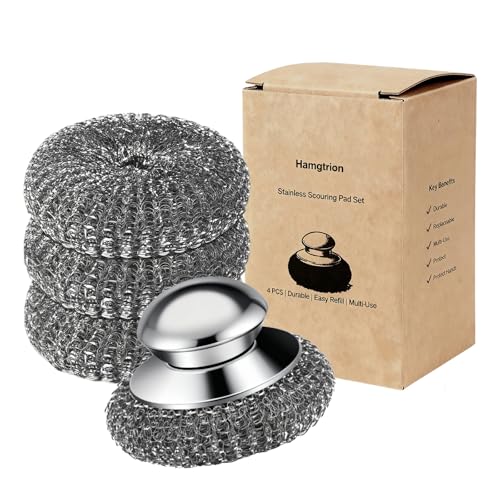
- Steel wool pad rust remover for cast iron cookware
- Rust eraser block for cast iron cookware
- Mild soap (optional)
- Clean cloths or paper towels
- Stovetop or oven for drying and heating
- High-smoke-point oil (vegetable, canola, or flaxseed)


Before You Start
Ensure your workspace is well-ventilated and the pan is cool enough to handle. Do not soak cast iron for long periods; prolonged exposure can promote more rust. Protect your hands with gloves and avoid harsh metal tools that could scratch the surface beyond the rust.
Time estimate: 20–60 minutes depending on rust size and pan condition. If the skillet shows extensive pitting or rust through to the metal, additional steps may be required or professional assessment considered.
Step-By-Step: How To Clean Rust Off Cast Iron
- Remove loose rust with a light scrub using a rust remover for cast iron; work in circular motions to avoid gouging the surface.
- If rust remains, switch to a steel wool pad rust remover for cast iron cookware and gently rub the affected areas until the surface starts to reveal the bare metal.
- For stubborn spots, use a rust eraser block for cast iron cookware; press lightly and work along the grain of the metal until the rust diminishes.
- Rinse with warm water and wipe dry to prevent water damage. Do not leave the pan wet for extended periods between steps.
- Place the skillet on the stove or in an oven to dry completely; a low heat dries faster and reduces the risk of new rust formation.
- Apply a thin layer of high-smoke-point oil over the entire surface, including the exterior, and heat it to bake the oil into the surface. This forms a protective seasoning layer.
- Repeat the oiling and heating process 2–3 times to build a solid protective coating if the pan was heavily rusted.
- Cool the skillet and store it in a dry place. Periodically re-season to maintain an even, durable finish.
- If pitting is visible after rust removal, you may still be able to cook on the surface, but a re-seasoned finish will help protect the metal from future rust.
- For everyday care, avoid soaking, never put cast iron in a dishwasher, and clean with warm water and a soft scrubber when possible.
- Re-test seasoning by cooking a small amount of oil on a hot surface to confirm a smooth, nonsticky patina.
Troubleshooting
| Symptom | Likely Cause | Fix | Prevention |
|---|---|---|---|
| Rust returns after cleaning | Insufficient seasoning or moisture exposure | Re-season with multiple oil applications and thorough drying | Always dry completely after washing; store in a dry area |
| Sticky or dull surface after cooking | Improper seasoning build-up | Strip old finish and re-season with thin oil layers | Maintain regular seasoning routine |
| Metal surface appears pitted or rough | Over-aggressive abrasion or prolonged rusting | Lightly smooth rough spots and re-season; consider professional assessment for deep pits | Avoid heavy scrubbing in future |
| New rust forms quickly | Exposure to moisture or improper storage | Thoroughly dry after use and apply a fresh oil layer | Store in a dry, low-humidity area |
Common Mistakes
- Using harsh chemical rust removers that strip seasoning
- Over-scrubbing, which damages the iron surface
- Skipping the drying step after cleaning
- Neglecting to re-season after rust removal
- Storing damp cookware in a closed, humid space
Tips For Best Results
- Start with the mildest rust-removal method and escalate only if necessary.
- Always dry completely before applying oil to prevent new rust.
- Choose an oil with a high smoke point for seasoning to form a durable coating.
- Occasionally reseason even if the pan looks fine to maintain a protective patina.
- Test the pan by heating it with a small amount of oil; a smooth, non-sticky surface indicates a good seasoning.
Call A Professional
Seek professional help if the skillet shows extensive pitting, cracks, or if rust recurs despite repeated cleaning and seasoning. Undercooked metal or structural damage may require expert evaluation or replacement.
FAQ
Is it safe to use steel wool on cast iron?
Yes, a fine steel wool pad can remove rust and old seasoning without aggressively scratching the metal when used gently.
Can I use soap to clean cast iron after rust removal?
Light soap is acceptable after rust removal, but minimize soap to preserve the seasoning layer.
How many times should I re-season after rust removal?
Plan to re-season 2–3 times for heavy rust, then maintain with periodic light seasoning.
What oils are best for seasoning?
High-smoke-point oils such as flaxseed, grapeseed, or canola work well; some prefer mineral oil for its neutral flavor and stability.
How should I store cast iron to prevent rust?
Store in a dry area, dry cookware completely after washing, and place a paper towel or airflow-friendly barrier to prevent moisture buildup.
Buying Guide
When selecting tools to help remove rust from cast iron, consider size, material compatibility, and how they fit your regular maintenance routine. Look for items specifically designed for cast iron cookware to avoid damaging the surface. Factors to weigh include:
- Size and grip of brushes or pads to fit your skillet comfortably
- abrasiveness of steel wool or erasers suitable for light to heavy rust
- Availability of rust-specific products optimized for cast iron surfaces
- Quality of seasoning-friendly oils recommended for routine maintenance
- Storage compatibility, ensuring tools fit your kitchen setup and drying space
For most home cooks, a basic kit featuring a dedicated cast iron skillet rust remover, a steel wool pad rust remover for cast iron cookware, and a rust eraser block for cast iron cookware provides a complete starting set. These tools help tackle rust in a controlled manner while preserving or rebuilding a strong seasoning layer. Ask yourself how often you cook with cast iron, how you store it, and how much time you’re willing to invest in maintenance to choose the right combination. Remember, regular care beats heavy rust scrubbing later, and a well-seasoned pan cooks better and lasts longer.
Leave a Reply