Effective Ways to Deter Birds From a Barn
Birds in a barn can cause damage, spread germs, and create messes that affect farm operations. This guide outlines practical, humane methods to reduce roosting and nesting, combining proven deterrents with best practices for long-term control.
By using a combination of physical barriers, sound devices, and strategic maintenance, barn owners can minimize bird problems while protecting livestock and stored feed.
Quick Answer
For best results, install physical barriers at high-traffic roosting sites, add UV‑resistant nets to exposed areas, and deploy a barn exterior ultrasonic repeller. Regular maintenance and timing of deterrents are key to staying ahead of birds’ seasonal patterns.
What You’ll Need
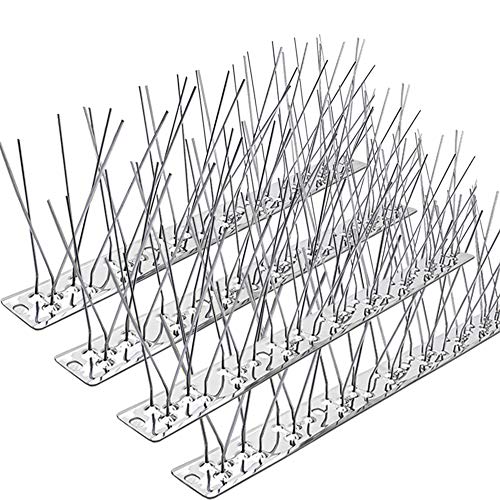
- Bird deterrent spikes for barn roof to roof edges and ledges
- Barn bird netting UV resistant 2 inch mesh for vents, gaps, and open eaves
- Ultrasonic bird repeller for barn exterior to deter flying intruders outside


Before You Start
Assess the barn layout to identify main roosting hotspots—rafters, eaves, and feed storage areas. Clean debris and nests, but do not disturb active nests during nesting seasons as required by wildlife regulations. Schedule deterrent installation during off-peak bird activity for better adherence. Safety first: turn off nearby electrical equipment when installing spikes or netting, and use proper PPE.
Estimate project time: a typical setup may take 2–5 hours for a small barn and longer for larger facilities. Plan for weather-friendly days to ensure materials set correctly.
Step-By-Step: How To Deter Birds From A Barn
- Inspect the barn exterior to locate common perching spots and entry points where birds can access inner spaces.
- Install bird deterrent spikes for barn roof along roof edges,—especially over ledges and wide overhangs.
- Apply barn bird netting UV resistant 2 inch mesh to exposed vents, soffits, and any openings larger than 1 inch.
- Seal gaps with weatherproof mesh or metal flashing to prevent newly discovered routes for birds.
- Set up the ultrasonic bird repeller for barn exterior at strategic external corners where birds gather, avoiding direct contact with livestock.
- Schedule routine checks every 1–2 weeks to adjust netting tension and spike placement as needed.
- Maintain cleanliness by promptly removing feed residues and nesting materials that attract birds.
- Consider additional deterrents such as reflective tape or noise deterrents at problem times, if allowed by local regulations.
- Educate barn staff to report new roosts or gaps so maintenance can respond quickly.
- Review seasonal patterns and recheck deterrent effectiveness after major weather events or bird migrations.
- Document installation locations and methods to guide future maintenance or expansions.
- Reinforce prevention by keeping doors and gates closed during peak roosting hours.
Troubleshooting
| Symptom | Likely Cause | Fix | Prevention |
|---|---|---|---|
| Birds continue to roost on ledges | Insufficient spikes or misaligned netting | Realign spikes, add more coverage | Regularly inspect for gaps after storms |
| Nests near vents | Openings not fully sealed | Seal with appropriate netting/milling | Routine inspections before nesting season |
| Ultrasonic device seems ineffective | Distance or obstruction blocks signal | Relocate unit; ensure line of sight and coverage | Combine with barriers for best results |
| Netting tears after wind | Insufficient tension or weak mounting | Re-tension and reinforce with safety lines | Use weather-rated nets and anchors |
Common Mistakes
- Relying on a single deterrent instead of a layered approach
- Installing nets without proper tension, leading to sagging and gaps
- Ignoring seasonal bird activity and failing to schedule maintenance
- Neglecting safety during installation, risking injury
Tips For Best Results
- Combine barriers with visual deterrents like reflective tape during the day.
- Regularly clean feed areas to reduce attractants for birds.
- Use deterrents in areas with the highest bird pressure first for quicker wins.
- Keep a maintenance log noting locations, dates, and observed effectiveness.
Call A Professional
Consider a professional if birds have established nests within walls, ceilings, or inaccessible areas, or if large-scale netting and spikes are required. Stop signs include ongoing flocks returning after deterrents, signs of structural damage, or if the area involves electrical work beyond basic installation.
FAQ
What is the most effective method to deter birds from a barn?
A layered approach combining roof spikes, UV-resistant netting, and external ultrasonic deterrents typically yields the best results.
Can I use both netting and spikes together?
Yes, combining barriers provides robust protection for different access points and roosting spots.
How long does installation take?
Small barns may take a few hours; larger facilities may require a full day or more depending on scope.
Are these methods safe for livestock?
Yes, when installed correctly with proper distances and non-toxic materials, deterrents pose minimal risk to animals.
Buying Guide
When choosing bird deterrents for a barn, consider size, layout, and bird species. Key factors include:
- Size and coverage: Assess roof edges, ledges, vents, and eaves to determine how many linear feet of spikes and netting are required.
- Noise and energy use: Ultrasonic devices vary in range; check power requirements and coverage area to match your barn size.
- Material durability: UV-resistant nets and weatherproof spikes endure barn conditions and reduce replacement costs.
- Controls and ease of use: Look for simple installation, clear mounting hardware, and accessible maintenance.
- Placement strategy: Plan barrier placement on primary roosting sites first, then expand to secondary areas as needed.
- Installation effort: Some systems require professional installation; factor in labor time and safety considerations.
Understanding how these factors align with your barn’s layout helps select the most effective combination of deterrents. Would a staged approach—starting with spikes and netting, then adding an ultrasonic unit if necessary—fit your operation best?
Leave a Reply