How to Clean a Commode: A Practical Step-by-Step Guide
Keeping a commode or toilet bowl clean is essential for hygiene and comfort in any bathroom. This guide provides clear, actionable steps using common household tools and the listed products to help American households maintain a fresh, sanitary toilet surface with minimal effort.
Quick Answer
Agree on a routine: flush, spray a mild cleaner into the bowl, scrub with a toilet bowl brush, rinse with clean water, and wipe the exterior with a disinfectant. Use a disposable toilet cleaning wand starter kit for easier maintenance and a toilet plunger with flange for reliability when needed.
A Quick List Of What You’ll Need
What You’ll Use
- Toilet bowl brush with long handle and replaceable head
- Disposable toilet cleaning wand starter kit refills
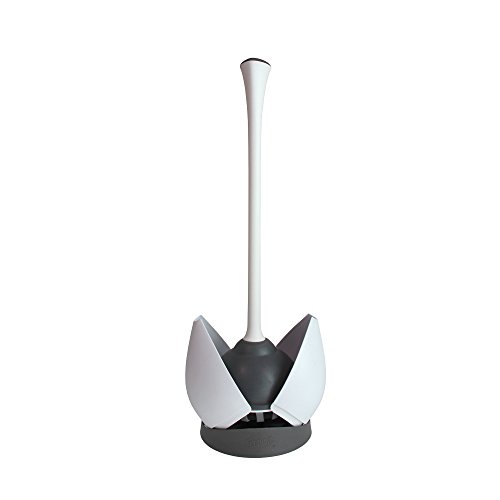
- Toilet plunger with flange and comfortable grip


Before You Start
Prepare the bathroom by removing personal items from the toilet area and placing a disposable trash bag for wand refills if needed. Ventilate the room or open a window to minimize chemical fumes. Time estimate: 10–15 minutes for a routine clean; longer for a deep clean. Important cautions: use gloves to protect skin, keep cleaners away from children and pets, and never mix cleaners unless the product label permits it.
Step-By-Step: How To Clean A Commode
- Put on gloves and pick a non-abrasive toilet bowl cleaner compatible with your toilet finish. Avoid abrasive scrubs that can scratch enamel.
- Flush the toilet to start with a clean water cycle, then apply cleaner around the bowl rim and under the water line for full coverage.
- Let the cleaner sit for the time indicated on the label to break down mineral deposits and stains. This short dwell time improves effectiveness.
- Use the toilet bowl brush with long handle and replaceable head to scrub the entire bowl interior, paying attention to stubborn rings near the water line and under the rim.
- For hard-to-reach spots, switch to the disposable toilet cleaning wand starter kit refills, which can help reach under the rim without reusing a scrub brush head.
- Rinse by flushing or by pouring clean water into the bowl to remove loosened grime. Repeat brushing if necessary until the water runs clear.
- Wipe the exterior surfaces—the tank, lid, seat hinges, and base—with a disinfectant spray or wipe, following the product directions for contact time.
- Address clogs or slow draining with the toilet plunger with flange and comfortable grip if you notice any backing up or poor flow, and store it in a dry place after use.
- Let all surfaces air dry or wipe with a clean towel. Dispose of used wand refills properly according to local guidelines.
- Return items to their place, wash your hands, and consider setting a regular cleaning schedule to maintain hygiene.
Troubleshooting
| Symptom | Likely Cause | Fix | Prevention |
|---|---|---|---|
| Stubborn stains remain | Mineral buildup or mineral-laden water | Apply a dedicated descaling cleaner and let it sit longer; re-scrub | Clean weekly; use a descaler periodically if water is hard |
| Scrubbing brush head wears quickly | Rough cleaning with abrasive cleaners | Switch to non-abrasive cleaners; replace head regularly | Routinely replace replaceable heads |
| Unpleasant odor after cleaning | Remnants of cleaner or stagnant water | Rinse thoroughly; run a final flush and ventilate | Keep bathroom vents open during and after cleaning |
| Clog or slow flush | Partial blockage | Use toilet plunger with flange; consider a toilet auger if needed | Flush correctly and avoid disposing of large items |
Common Mistakes
- Using abrasive pads that scratch the bowl finish
- Combining cleaners that release harmful fumes or create dangerous gasses
- Neglecting the exterior surfaces while focusing only on the bowl
- Waiting too long between cleanings, allowing buildup to harden
Regular, gentle cleaning with the right tools prevents these issues and keeps a bathroom hygienic with less effort over time.
Tips For Best Results
- Schedule quick weekly touch-ups to avoid heavy scrubbing later
- Use disposable wand refills for mess-free maintenance
- Mark a cleaning calendar in a visible spot to stay consistent
- Store cleaning tools in a dry area to prevent mold and odors
- Choose cleaners labeled safe for your toilet material to prevent damage
Call A Professional
Consider a professional plumber or cleaning service if you encounter persistent clogs, recurring odors, or damage to porcelain or seals. Stop signs include: continual clogs despite plunging, cracks in the bowl, leaks around the base, or unusual sounds during flushing. A pro can diagnose plumbing issues, replace faulty seals, and ensure safe, long-lasting operation.
FAQ
What is the best way to clean a toilet bowl without harsh chemicals?
Use a mild, non-abrasive cleaner designed for toilets and a soft brush to avoid scratching the surface.
How often should I clean my commode?
Perform a quick weekly clean and a deeper clean every one to two weeks, depending on usage and water quality.
Can I use a regular household cleaner on the exterior of the toilet?
Yes, but follow the label directions and avoid alternatives that may damage finishes.
What should I do if the plunger doesn’t clear a clog?
Stop and call a professional if plunging fails; persistent clogs may indicate a deeper drain issue.
Is it safe to mix cleaners?
No. Do not mix cleaners, especially those containing bleach with ammonia or acids, as it creates toxic fumes.
How can I prevent future stains?
Regular cleaning, a brief descale when needed, and using a toilet bowl additive designed for porcelain can help prevent staining.
What maintenance helps extend the life of a toilet?
Inspect seals and connections periodically and replace worn parts promptly to maintain efficiency and prevent leaks.
Buying Guide
Choosing cleaning tools and accessories for a commode involves considering size, noise, efficiency, controls, and placement. For busy households, compact tools with replaceable heads reduce waste and simplify maintenance. Look for long-handled brushes to reach under the rim and avoid bending, and consider a disposable wand starter kit for convenient, mess-free cleaning. Noise is a factor if the bathroom is shared; opt for quieter brushes and cleaners. Energy efficiency applies mainly to water usage; a well-maintained toilet flushes cleanly with minimal water. Placement matters for storage: keep tools in a dry, ventilated cabinet away from direct sunlight to extend their life. When comparing products, evaluate compatibility with your toilet model and ease of use, as well as the availability of refill packs to minimize ongoing costs.
Leave a Reply