How to Get Rid of Cigar Taste in Mouth
Cigar taste in the mouth can linger after smoking or after exposure to tobacco smoke. A combination of mechanical cleaning, targeted rinses, and specialty products can help neutralize odors and freshen breath. This guide explains practical steps Americans can take at home to reduce cigar taste and improve overall oral freshness.
Quick Answer
Use a three-pronged approach: physically remove residue, chemically neutralize odors, and maintain daily oral hygiene. Start with a stainless steel tongue scraper to physically remove tobacco deposits, follow with an activated charcoal toothpaste to absorb odors, and finish with a water flosser to rinse away particles. Consistent brushing, hydration, and mouthwash help sustain results.
What You’ll Need
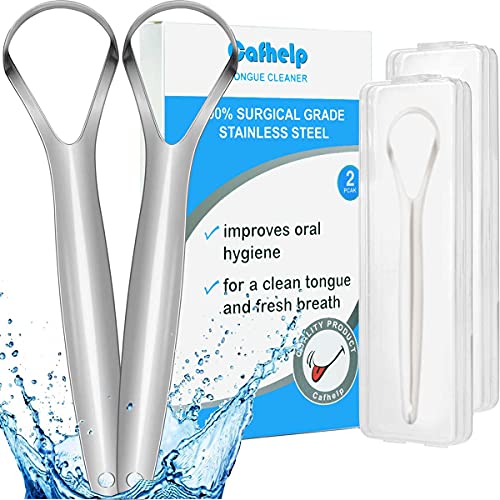
- Stainless steel tongue scraper for tobacco taste removal
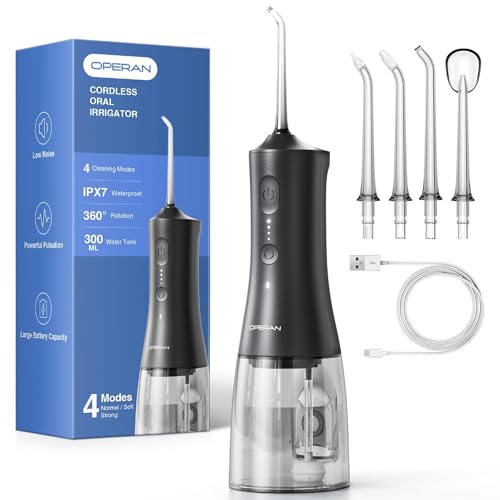
- Water flosser oral irrigator for tobacco smoke odor removal
- Activated charcoal toothpaste for tobacco smell removal 3.5 oz

Before You Start
Before attempting any regimen, consider your overall oral health and any sensitivity to abrasives or strong flavors. Begin with a gentle routine and monitor how your mouth responds. Time estimates: about 5–15 minutes per session, depending on routine depth. Important cautions include avoiding harsh scrubbing that can irritate the tongue or gums and steering clear of products not intended for daily use.
Step-By-Step: How To Get Rid Of Cigar Taste In Mouth
- Prepare your tools: Rinse the tongue scraper and toothbrush, and have your toothpaste and water flosser ready.
- Gently clean the tongue: Use the stainless steel tongue scraper in a broad, front-to-back motion to remove tobacco residue and biofilm. Rinse and repeat as needed.
- Brush with activated charcoal toothpaste: Apply a small pea-sized amount of the toothpaste and brush for two minutes, focusing on the tongue-mandy areas where smell lingers.
- Brush your teeth and tongue: Don’t neglect the molar surfaces and the soft palate. A thorough brushing reduces substrate for odors.
- Rinse with water flosser: Use a low to moderate pressure to flush debris from between teeth and along the gumline. Pay attention to the back molars where odor-causing residues can hide.
- Hydrate and rinse: Drink water and consider a gentle mouth rinse, such as a non-alcoholic formula, to further neutralize lingering flavors.
- Repeat daily: Consistency is key. Implement the routine in the morning and evening for best results.
- Evaluate and adjust: If taste persists after two weeks, reassess technique and consider additional options such as sugar-free gum or a breath freshener that suits your needs.
Troubleshooting
| Symptom | Likely Cause | Fix | Prevention |
|---|---|---|---|
| Persistent cigar taste after brushing | Residue on tongue or along the gumline | Increase gentle tongue scraping time; rebrush thoroughly | Maintain daily tongue cleaning |
| Bad breath that returns hours after brushing | Dry mouth or saliva dilution | Hydrate, chew sugar-free gum, and use a gentle mouth rinse | Stay hydrated and limit caffeine/alcohol |
| Tongue sensitivity or irritation | Over-scraping or abrasive toothpaste | Use lighter pressure; switch to a milder toothpaste | Limit aggressive scraping sessions |
| Odor persists despite products | Deep-seated tobacco residue | Schedule a professional cleaning | Maintain daily routine with caution |
Common Mistakes
- Using excessive pressure on the tongue scraper, which can irritate tissue
- Relying solely on toothpaste without tongue cleaning
- Skipping rinsing after using the water flosser, leaving residues behind
- Overusing charcoal toothpaste, which can be abrasive with long-term use
- Ignoring hydration; dry mouth can worsen odors
Tips For Best Results
- Pair tongue cleaning with daily brushing for comprehensive cleaning.
- Choose a low-abrasive toothpaste to protect tongue and enamel while still providing odor control.
- Keep a consistent routine, especially after smoke exposure or meals.
- Carry a travel rinse or mini mouthwash for on-the-go freshness.
- Consider avoiding heavy caffeination or alcohol that can dry the mouth and intensify odors.
- Consult a dentist if you notice persistent taste changes or sensitivity.
Call A Professional
Seek professional advice if the cigar taste persists despite home care, if you notice unusual mouth pain, persistent bad breath, or signs of gum disease. A dentist or dental hygienist can assess enamel integrity, tongue coating, and overall oral hygiene, and may recommend professional cleaning or targeted treatments.
FAQ
What causes a lingering cigar taste in the mouth?
Residue on the tongue and teeth, combined with dry mouth and bacteria, can leave a persistent flavor after smoking.
How often should I use a tongue scraper?
Daily use is recommended, with gentle pressure to avoid irritation.
Can charcoal toothpaste harm enamel?
When used as directed, charcoal toothpaste is generally safe; avoid excessive use to minimize abrasion.
Is a water flosser effective for tobacco odor?
Yes, it helps remove debris between teeth and along the gumline, reducing odor sources.
Buying Guide
When choosing products to combat cigar taste, consider size, noise level, energy efficiency, controls, and placement. For each item:
- Stainless steel tongue scraper for tobacco taste removal: Look for a sturdy handle, smooth edges, and rust resistance. A compact, hygienic design fits easily into daily routines.
- Water flosser oral irrigator for tobacco smoke odor removal: Evaluate water pressure range, tip variety, reservoir capacity, and ease of cleaning. Quiet operation matters for use at home or in shared spaces.
- Activated charcoal toothpaste for tobacco smell removal 3.5 oz: Choose a formula with gentle whitening or deodorizing agents and minimal harsh surfactants. Consider flavor preferences and ADA-accepted products where possible.
For best results, select products that align with your daily routine and comfort level. If you smoke or frequently encounter tobacco odors, a combined approach using all three tools tends to deliver the most noticeable improvements. Do not rely on a single product for comprehensive results; integrated care supports healthier breath and a cleaner tongue surface. Curious about how these items work together in real scenarios? A consistent routine often proves most effective for most users.
Leave a Reply