How to Clean Rain Water From Rain Barrels
Collecting rainwater is a smart way to conserve resources, but keeping that water clean requires regular maintenance. This guide covers practical steps to clean rain water stored in rain barrels and related systems, so your supply stays safe for non-potable uses or proper treatment for drinking in accordance with local regulations.
Quick Answer
Start with a thorough drain and rinse, then scrub the interior with a brush kit designed for rain barrels, install a filtration system for ongoing quality, and consider a UV purifier if you store water for longer periods. Regular maintenance every few months prevents sediment buildup and keeps water clearer.
What You’ll Need
- Rain barrel cleaning brush kit
- Water-safe gloves
- PPE: safety glasses, mask if dusty
- Garden hose for rinsing
- Rainwater filtration system for collected rainwater
- UV water purifier for rainwater storage
- Mild, non-toxic cleaning solution or white vinegar


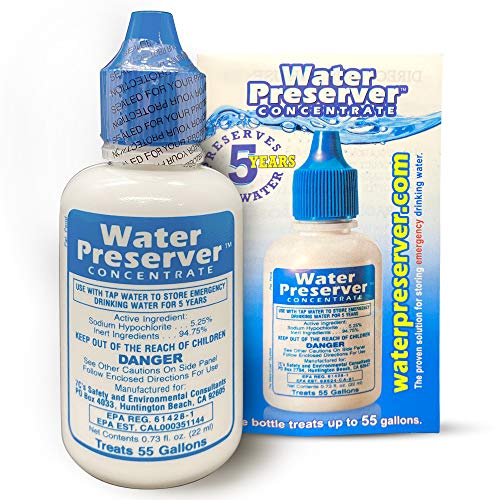
Before You Start
Clear the area around the rain barrel and remove any accessories that might obstruct cleaning. Safety is critical: wear gloves and eye protection, and avoid harsh chemicals that could contaminate the water supply. Estimate 30–60 minutes for initial cleaning, plus extra time for draining and drying between cycles. If your system is connected to irrigation, shut off flows to avoid accidental leakage while you work.
Step-By-Step: How To Clean Rain Water From Rain Barrels
- Shut off the rain gutter downspout diverter and detach the hose or spigot to access the interior.
- Drain the barrel completely and open any access ports to allow air and debris to exit.
- Rinse the inside with clean water using a garden hose to remove loose sediment.
- Mix a mild cleaning solution, such as a small amount of soap or vinegar diluted in water, and apply with the rain barrel cleaning brush kit.
- Scrub the interior surfaces, seams, and the bottom with the brush kit to dislodge algae and biofilm.
- Rinse thoroughly until the water runs clear, then reattach the fittings and reinstall the lid to keep debris out.
- Install or verify the rainwater filtration system for collected rainwater to catch sediment and contaminants as water enters the barrel.
- Pour fresh water through the system to test flow, ensuring there are no leaks and the spigot works smoothly.
- Optionally install a UV water purifier for rainwater storage if you plan to store water for extended periods or for potable use after appropriate treatment.
- Inspect the overflow and safety features, ensuring the system drains properly during heavy rainfall to prevent overflow or damage.
- Schedule routine maintenance every 2–6 months, depending on usage and local climate.
Troubleshooting
| Symptom | Likely Cause | Fix | Prevention |
|---|---|---|---|
| Cloudy water after cleaning | Residual soap or debris | Rinse barrel thoroughly; run water until clear | Rinse immediately after cleaning and before storage |
| Bad odor | Algae growth or stagnant water | Clean interior, sanitize with a mild solution, rinse well | Keep lid on; use filtration and regular maintenance |
| Leaks at seals or fittings | Cracked seals or loose connectors | Tighten fittings; replace worn seals or gaskets | Inspect during cleaning and replace worn parts |
| Clogged spigot or overflow | Sediment buildup | Clean spigot; backflush with water | Install filtration and strain debris before entry |
Common Mistakes
- Using harsh chemicals that leave residues in stored water
- Skipping the rinse step, leaving film behind
- Neglecting to clean inlet screens and filters regularly
- Ignoring overflow and drainage during heavy rain
Regular attention helps maintain water quality without introducing contaminants or reducing system efficiency.
Tips For Best Results
- Pair cleaning with a seasonal maintenance routine to minimize algae growth.
- Use rainwater filtration system for collected rainwater upstream of storage to reduce particulates.
- Consider a UV water purifier for rainwater storage if you plan to store water long-term or use it for sensitive applications after treatment.
- Keep a dedicated brush for the barrel to avoid cross-contamination with garden tools.
- Label and schedule maintenance reminders on your calendar for consistency.
Call A Professional
Contact a professional if you notice persistent leaks, persistent odors after cleaning, or signs of mold growth that you cannot remove with standard cleaning. Seek immediate help if you suspect contaminated water or if the system is linked to potable-use plumbing without proper treatment.
FAQ
Is rainwater safe to drink after cleaning?
Rainwater generally requires proper filtration and disinfection before drinking. Follow local guidelines and use a certified filtration system and UV purifier as needed.
How often should I clean rain barrels?
Most systems benefit from cleaning every 2–6 months, depending on climate, debris load, and usage.
Do I need a UV purifier for rainwater?
A UV purifier is optional but helpful if you store water for extended periods or want additional microbial control after filtration.
Can I clean a rain barrel with vinegar?
Yes, a mild vinegar solution is effective for most barrels, provided you rinse thoroughly afterward to remove any residue.
What maintenance reduces algae growth?
Keep lids closed, install a first-flush or filter, and clean screens regularly to minimize nutrient buildup.
Buying Guide
When choosing components for rainwater cleaning and storage, consider size, noise, energy impacts, controls, and placement. A larger rain barrel increases catchment but may require more frequent cleaning depending on debris load. Look for low-noise components and energy-efficient filtration options. Choose a rainwater filtration system for collected rainwater that fits your barrel size and flow needs, with easy maintenance. A UV water purifier for rainwater storage should be compatible with the flow rate and storage volume. Place barrels away from direct sunlight to reduce algae, and ensure drainage areas are stable and flood-proof. Consider adding a dedicated shutoff valve and easy-access cleaning ports to simplify maintenance. For homes with potable-use ambitions, consult local codes and consider professional installation to ensure safety and compliance.
Leave a Reply