How to Clean Car Interior Fabric
Keeping a car’s interior fabric clean helps maintain appearance, comfort, and resale value. This guide explains practical steps, safe methods, and affordable tools to remove stains, odors, and everyday grime from upholstery and fabric surfaces in American vehicles.
Quick Answer
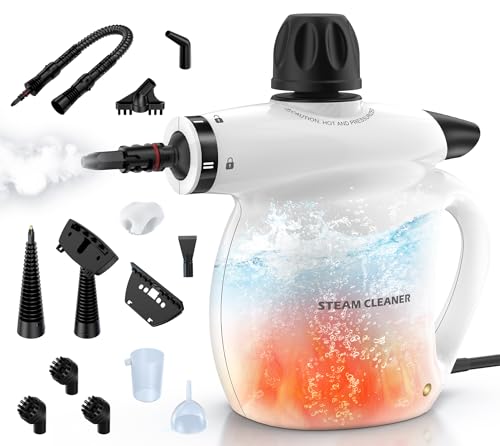
Best starter tools: a portable car upholstery cleaner machine, a handheld steam cleaner for car interior fabric, and a car seat fabric stain extractor tool kit. For light cleaning, use a spray fabric cleaner and a microfiber cloth. Always test cleaners on a hidden area before full application.
What You’ll Need
- Portable car upholstery cleaner machine
- Handheld steam cleaner for car interior fabric
- Car seat fabric stain extractor tool kit
- Microfiber towels, soft bristle brush, and a spray fabric cleaner
- Vacuum cleaner with upholstery attachment
- Water and mild detergent or fabric-safe cleaners


Before You Start
Assess fabric type and test any cleaner on an inconspicuous area to prevent discoloration. Protect surrounding surfaces and wear gloves when applying cleaners. Schedule cleaning when seats are cool and dry to avoid rapid drying that can set stains. Estimated time: 30–90 minutes depending on vehicle size and stain severity.
Step-By-Step: How To Clean Car Interior Fabric
- Remove loose debris from seats and carpets using a vacuum with an upholstery nozzle.
- Spot-test any cleaner on a hidden area to confirm colorfastness and fabric compatibility.
- Apply a light spray of fabric cleaner to stained or stained-backed areas; avoid over-wetting the fabric.
- Gently scrub with a soft bristle brush or microfiber cloth in small circular motions to work the cleaner into fibers.
- For tough stains, use the portable car upholstery cleaner machine or car seat fabric stain extractor tool kit to lift soils from deep fibers.
- Rinse or extract the cleaner with a clean water pass or built-in extraction function, removing as much moisture as possible.
- Blot excess moisture with a dry microfiber towel and allow air circulation to speed drying.
- Use the handheld steam cleaner for car interior fabric on low heat to sanitize fabrics after cleaning, keeping the nozzle a few inches away from the surface.
- Repeat as needed for persistent stains, then allow full dry time before use.
- Vacuum again after drying to lift any settled fibers and restore fabric texture.
- Optional: apply a fabric protector to help repel future spills and make cleaning easier.
- Document any stains that persist and consider professional cleaning if odors remain or fabrics show wear.
Troubleshooting
| Symptom | Likely Cause | Fix | Prevention |
|---|---|---|---|
| Stains reappear after drying | Stain residue left in fibers | Repeat cleaning with extraction step | Pre-treat tough stains; test products first |
| Fabric feels stiff after cleaning | Over-wetting or harsh cleaners | Rinse more thoroughly and air dry | Use minimal moisture; avoid strong solvents |
| Foul odor persists | Odor-causing residues or mold | Deep clean with enzyme-based cleaner or steam | Ensure complete drying;Ventilate vehicle |
| Color fading or discoloration | Incompatible cleaner or excessive friction | Stop using that product; rinse and blot | Test on hidden area; use fabric-safe products |
Common Mistakes
- Over-wetting fabric, which can lead to mold and longer drying times
- Using harsh cleaners or bleach on delicate fabrics
- Scrubbing aggressively, causing fiber damage or pilling
- Skipping a test patch before full application
Tips For Best Results
Work in a shaded area and avoid direct sunlight during cleaning to prevent quick drying and staining. Work in small sections to ensure even cleaning and drying. Use a microfiber cloth to lift soils and a vacuum with upholstery attachment for best suction.
Call A Professional
Consider professional help if stains are deeply set, fabrics are delicate or vintage, or odors persist after multiple cleanings. Stop and seek help if you notice color loss, fabric fraying, or moisture buildup beneath seats, which could indicate padding or frame issues.
FAQ
Can I clean car fabric with just water?
Water can help, but most fabrics respond better to a mild cleaner designed for upholstery; avoid saturating fibers.
Is steam cleaning safe for all car fabrics?
Steam is effective for many fabrics but test first and avoid excessive heat on delicate materials.
How long does it take for seats to dry after cleaning?
Dry times vary by fabric and environment but typically 2–6 hours; use fans or a sunny, ventilated area to speed up drying.
Should I use fabric protectors after cleaning?
Yes, a fabric protector can help repel future stains and simplify cleaning, when appropriate for the fabric type.
What stains are hardest to remove?
Ink, dye-based stains, and oil-based soils are typically the most stubborn and may require specialized cleaners or professional help.
Buying Guide
Choosing the right equipment for cleaning car interior fabric involves several factors. Consider size and weight if you need portable solutions for multiple vehicles. Noise level matters for indoor use; look for models with lower decibel ratings for a calmer cleaning experience. Energy efficiency is useful for extended use, especially with battery-powered devices. Controls should be simple, with adjustable heat and suction settings for different fabric types. Placement in the vehicle for storage should be convenient and secure to prevent tipping during use. When comparing tools, evaluate compatibility with your fabric type, including synthetic, natural, and mixed fibers. Finally, assess kit completeness: a sturdy extractor, appropriate brushes, and reliable efficiency in removing both surface grime and embedded soils.
With the right approach, regular cleaning of car interior fabric becomes a straightforward maintenance task. Do you regularly vacuum and spot-clean to prevent deep stains? The goal is a fresh, comfortable cabin that stays inviting—day after day.
Leave a Reply