How to Clean a Fingerprint-Resistant Stainless Steel Refrigerator
Fingerprint-resistant stainless steel surfaces add a practical, modern look to kitchens, but they still show smudges and streaks if not cared for correctly. This guide provides a practical, step-by-step approach to keep a fingerprint-resistant fridge looking polished and blemish-free using common household tools and specifically chosen products.
Quick Answer
For fast, effective cleaning, mist a gentle cleaner on a microfiber cloth, wipe with the grain, then buff with a dry microfiber cloth. Use a dedicated stainless steel cleaner or wipes for tougher smudges, and finish with a light wipe to remove any residue.
What You’ll Need
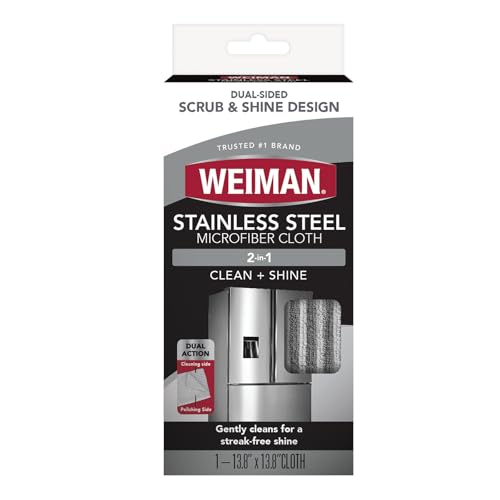
- Microfiber cleaning cloth for fingerprint resistant stainless steel refrigerator
- Stainless steel appliance cleaner spray for fingerprint removal 24 oz
- Stainless steel cleaning wipes for refrigerators


Before You Start
Prepare a clean, well-lit workspace and remove items from the fridge doors or nearby surfaces to avoid transferring grime. Work in a well-ventilated area and test any cleaner on a small hidden spot first to ensure no discoloration. Estimate a cleaning session of 15–30 minutes, depending on the size of the surface. Do not use abrasive pads or harsh chemicals on fingerprint-resistant finishes, as they can dull the sheen.
Step-By-Step: How To Clean Fingerprint-Resistant Stainless Steel
- Dust loose particles from the surface with a dry microfiber cloth to prevent scratching during wiping.
- Apply a light spray of stainless steel appliance cleaner to a clean microfiber cloth; avoid spraying directly onto the surface to prevent pooling.
- Wipe in the direction of the grain to suspend oils and smudges rather than smear them into the finish.
- Turn the cloth to a dry side or use a separate dry microfiber cloth to buff the surface until it shines and feels smooth.
- For stubborn fingerprints, apply a small amount of cleaner to the cloth and gently re-wipe, keeping strokes even and controlled.
- Wipe along edges, handles, and any trim with the same technique to maintain a uniform look across the entire unit.
- Use stainless steel cleaning wipes for hard-to-reach spots or deeply smudged areas; follow the wipe directions for best results.
- Finish by giving the entire surface a final pass with a dry microfiber cloth to remove any residual moisture or streaks.
- If residue remains after cleaning, lightly dampen a cloth with distilled water and wipe once more, then dry thoroughly.
- Regular maintenance—weekly quick wipes and monthly deep cleans—helps preserve the fingerprint resistance and overall appearance.
- Replace or refresh microfiber cloths regularly to maintain cleaning efficiency and avoid reintroducing oils.
- Store cleaning products out of reach of children and follow label instructions for safe use around food zones.
Troubleshooting
| Symptom | Likely Cause | Fix | Prevention |
|---|---|---|---|
| Streaks after cleaning | Residue from cleaners or over-wetting | Buff with a dry microfiber cloth; re-wipe with a small amount of cleaner on cloth | Use minimal cleaner; wipe in the grain |
| Smudges reappearing quickly | Oil from hands or kitchen air; improper drying | Dry thoroughly; consider a light dusting with a microfibre between uses | Keep hands clean and dry when touching surfaces |
| Discoloration after cleaning | Harsh cleaners or prolonged exposure | Switch to a gentler stainless steel cleaner; test first | Avoid abrasive products on fingerprint-resistant finishes |
| Scratches visible | Abrasive tools | Stop using rough pads; switch to microfiber only | Gentle cleaning and minimal friction |
Common Mistakes
- Using household all-purpose cleaners that are not formulated for stainless steel.
- Spraying cleaners directly onto the surface; this can cause pooling and streaks.
- Avoiding a proper dry buff after cleaning, leading to residue and dulling.
- Using abrasive towels or steel wool on fingerprint-resistant finishes.
Sticking to dedicated stainless steel products and high-quality microfiber cloths helps minimize these issues and preserves the finish over time.
Tips For Best Results
- Always wipe with the grain to reduce visible streaks and restore a uniform tone.
- Choose a dedicated stainless steel cleaner for tougher smudges; it’s formulated to lift oils without leaving residue.
- Keep microfiber cloths clean and separate from other household textiles to prevent lint transfer.
- Schedule routine light cleans weekly, with a deeper clean monthly for best-looking surfaces.
- Avoid direct sunlight on the surface during cleaning, which can cause glare and highlight streaks.
Call A Professional
Contact a professional if the stainless steel shows signs of permanent discoloration, severe pitting, or if the finish has been damaged by improper cleaners. Seek expert help for large scale restorations or if you notice any corrosion around seals or hinges.
FAQ
Can I use vinegar on fingerprint-resistant stainless steel?
Vinegar can be used sparingly on some finishes, but test first and avoid repeated use if the manufacturer warns against acidic cleaners.
Is it safe to use steam cleaners on stainless steel appliances?
Steam can be effective for sanitizing, but avoid prolonged direct steam on the surface and replace wiping to prevent streaks.
How often should I clean fingerprints from stainless steel appliances?
Light weekly maintenance with a microfiber cloth is recommended, followed by a deeper clean monthly.
Are there eco-friendly options for cleaning stainless steel?
Yes, many dedicated stainless steel cleaners are available in environmentally friendly formulations; also, microfiber cloths support fewer chemical needs.
Buying Guide
When selecting cleaning products and supplies for fingerprint-resistant stainless steel refrigerators, consider size, footprint, and intended use. The right kit should include a microfiber cloth designed for stainless steel, a dedicated stainless steel cleaner spray, and compatible cleaning wipes. Look for products labeled safe for fingerprint-resistant finishes and free from abrasive compounds.
Buying Guide: Key Factors To Consider
- <bSize and coverage: Ensure the cleaner kit provides enough cloths and wipes to cover a full fridge door without frequent replacements.
- <bNoise level and ease of use: Choose spray-based cleaners that are easy to control and widely available in finger-friendly bottles.
- <bEnergy efficiency of appliances is separate from cleaners but consider ease of routine maintenance to preserve the finish on efficient models.
- <bControls and placement: Keep cleaners stored away from food zones and in easily accessible locations for quick touch-ups.
- <bDurability of tools: High-quality microfiber cloths resist shedding and remove oils efficiently without scratches.
With the right routine and products, maintaining a fingerprint-resistant stainless steel refrigerator becomes quick and straightforward. A small set of dedicated tools can keep the finish looking pristine without daily effort, and regular maintenance helps preserve the sleek, corrosive-resistant surface in American kitchens.
Leave a Reply