How to Clean a Smeg Kettle
Cleaning a Smeg kettle helps maintain efficient heating, extend its life, and keep beverages tasting fresh. This guide outlines a safe, step-by-step method using common descaling tablets and soft cleaning tools. The focus is on mineral buildup and surface care, ensuring the kettle stays gleaming and ready for daily use.
Quick Answer
Descale regularly using a kettle descaler that is safe for stainless steel finishes, then wipe with a microfiber cloth to restore shine. For stubborn scale, repeat with a gentle cycle and finish with a rinse.
What You’ll Need
- Smeg kettle descaler tablets
- Electric kettle descaler for stainless steel
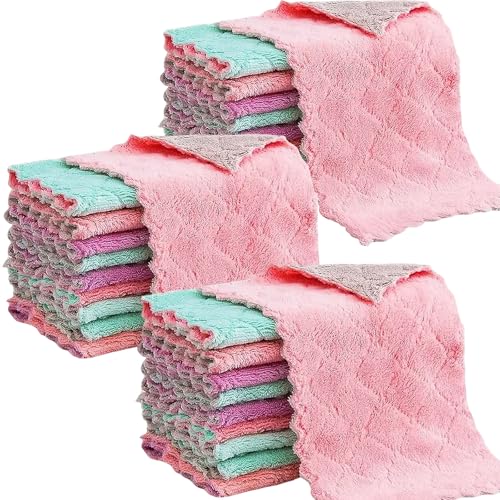
- Microfiber cleaning cloth for kettles
- Soft sponge or non-abrasive scrub pad
- Access to clean water for rinsing


Before You Start
Prepare a clean, level work surface and unplug the kettle before cleaning. Ensure the kettle is cool and empty. Avoid abrasive cleaners or metal scrubbers that can scratch the stainless steel finish. If your model has a concealed heating element, follow manufacturer guidance for descaling frequency. Time estimate: 15–30 minutes per session.
Step-By-Step: How To Clean A Smeg Kettle
- Unplug the kettle and remove any loose scale by gently wiping the exterior with a damp microfiber cloth.
- Fill the kettle with the descaling solution according to the instructions on the Smeg kettle descaler tablets or electric kettle descaler for stainless steel, stopping below the max fill line.
- Place the kettle on its base and bring the solution to a gentle boil, then switch off and allow the mixture to sit for the recommended dwell time.
- Discard the solution and rinse the interior thoroughly with clean water. Refill, boil once more, and discard the water to remove any residue.
- Wipe the interior walls with a damp microfiber cleaning cloth to lift loosened deposits; avoid scratching the surface.
- Boil a full kettle of clean water to rinse away any remaining descaler particles, then pour out.
- Let the kettle air-dry with the lid open to prevent moisture spots on the interior and lid area.
- Wipe the exterior using a soft cloth; if needed, use a small amount of water or a gentle cleaner on a cloth for stubborn spots, then wipe dry.
- Inspect the kettle’s spout and lid seal for mineral buildup; repeat the cleaning cycle if necessary and wipe edges clean.
- Store the kettle in a dry area and resume normal use after a complete rinse and dry.
- Periodically repeat this process every 1–3 months, depending on water hardness in your area.
Troubleshooting
| Symptom | Likely Cause | Fix | Prevention |
|---|---|---|---|
| Kettle has cloudy interior | Mineral deposits | Descale following steps above, then rinse thoroughly | Use filtered water to reduce mineral buildup |
| Unpleasant odor after cleaning | Residual descaler smell | Boil and discard several batches of fresh water | Rinse well and dry completely |
| Exterior finish dulls | Soap residue or abrasive cleaner | Polish with microfiber cloth only | Avoid rough cleaners near the finish |
| Scale returning quickly | Very hard water | Increase cleaning frequency or use distilled water | Regular maintenance schedule |
Common Mistakes
- Using abrasive pads or harsh chemicals on the Smeg kettle exterior
- Overfilling the kettle with descaler solution
- Rushing the rinse cycle without thorough water flushing
- Not drying the interior after cleaning, leading to mineral spots
Careful handling preserves the aesthetic shine and functional performance of the kettle.
Tips For Best Results
- Descale on a regular schedule based on water hardness and usage.
- Use microfiber cleaning cloth for kettles for gentle interior and exterior care.
- Always rinse with clean water until no odor or residue remains.
- For stubborn stains, pause the cleaning process and reapply the descaler after a short rest.
- Consider mineral-defying practices, such as using filtered water for daily use.
Call A Professional
Contact a professional if the kettle shows persistent leaks, unusual noises during heating, or if the exterior finish is damaged despite careful cleaning. Do not attempt internal disassembly or repair beyond routine descaling and exterior wipe-down.
FAQ
Can I use regular vinegar or lemon juice to descale a Smeg kettle?
Vinegar and lemon juice can work as descalers but may leave odors or affect finishes; use products recommended for stainless steel kettles for best results.
How often should I descale my Smeg kettle?
The frequency depends on water hardness and usage; a monthly to quarterly schedule is common for households with hard water.
Is it safe to put the kettle in the dishwasher?
Most Smeg kettles should not be placed in a dishwasher due to delicate finishes; follow the manufacturer’s cleaning guidelines.
Will descaling affect the warranty?
Using approved descalers and following directions generally does not void warranties; consult the warranty document if unsure.
Buying Guide
Choosing the right descaling approach and care routine can extend the life of a Smeg kettle. When evaluating options, consider the following factors:
- Size and capacity: Match the kettle’s capacity to your household needs to minimize frequent use and scale buildup changes.
- Noise level: Some kettles are louder during operation; quieter models can be preferable for shared spaces.
- Energy efficiency: Look for balanced power usage with rapid boil times; efficient models save energy over time.
- Controls and features: Keep an eye on easy-fill openings, visible water gauge, and automatic shutoff for safety.
- Placement and aesthetics: Choose a model that complements kitchen décor and allows safe ventilation during heating.
For maintenance, pairing a reliable descaler with a microfiber cloth and gentle routine delivers best results. If you rely on a specific product like Smeg kettle descaler tablets, follow the label directions for safe and effective use. Does your kitchen water hardness require more frequent descaling? Consider a small, regular ritual to keep your kettle gleaming.
Leave a Reply