How to Get Rid of Split Ends Without Cutting Hair
Split ends can be a frustrating sign of damaged hair, but a careful routine focused on care, technique, and the right tools can help mitigate the issue without trimming. This guide explains practical steps using common styling tools to smooth, protect, and restore the look of healthier hair between trims.
The methods below emphasize maintaining hair length while reducing further splitting, improving overall texture, and keeping frizz at bay. Readers should apply these techniques consistently to see noticeable improvements over time.
Quick Answer
To reduce visible split ends without cutting: use gentle detangling, heat-protective styling, and careful heat application with appropriate tools. Regular brushing with a boar bristle brush, a heat-friendly smoothing tool like a hot air brush, and a professional-grade flat iron used on low to mid heat can help seal ends and minimize breakage. Avoid harsh brushing, overwashing, and excessive heat.
What You’ll Need
- Boar Bristle Hair Brush for Detangling and Reducing Breakage — gentle on the scalp and helps distribute natural oils.
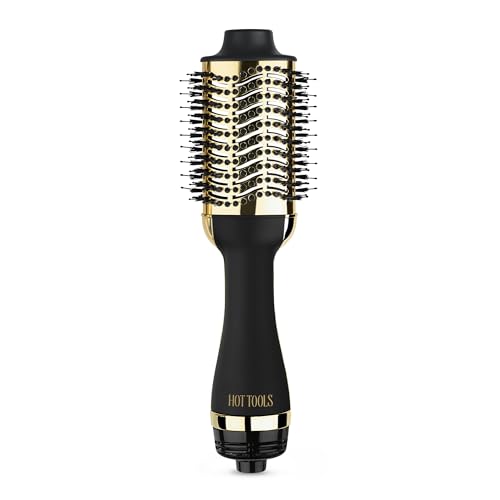
- Hot Air Brush for Smoothing and Reducing Split Ends — adds smoothness while minimizing heat exposure on each pass.
- Professional Titanium Flat Iron Hair Straightener — for controlled heat and better heat transfer with shorter contact time.


Before You Start
Preparation matters. Work on towel-dried hair or dry hair to prevent unnecessary moisture-related damage. Use a heat protectant spray or serum to shield strands from high temperatures. If your hair is particularly damaged, consider reducing daily heat styling to a few times per week. Time estimates vary by length, but plan a 20–45 minute routine for a typical session. Important cautions: never apply heat to wet hair, avoid stopping mid-styles, and limit the number of passes to prevent additional breakage.
Step-By-Step: How To Treat Split Ends Without Cutting Hair
- Start with clean, slightly damp hair and apply a heat-protectant product from mid-length to ends.
- Gently detangle with the boar bristle hair brush, working from the ends upward to minimize pulling.
- Use a hot air brush on low to medium heat to smooth the surface and reduce frizz, keeping the brush moving to avoid heat buildup on one spot.
- Section the hair into manageable parts to ensure even coverage and reduce unnecessary tugging.
- For stubborn areas, run a narrow section through the professional titanium flat iron at a low heat setting, gliding slowly from mid-length to ends—never on roots.
- Finish with a lightweight shine serum or oil on the ends to seal cuticles without weighing hair down.
- Repeat heat styling no more than 2–3 times per week, and adjust based on hair’s response.
- Incorporate a weekly deep-conditioning treatment to improve strength and elasticity.
- Maintain routine trims every 8–12 weeks to prevent further split end progression while preserving length.
- Cool down and give hair a gentle scalp massage to stimulate oils and promote overall health.
- Track results over several weeks; if breakage persists, reassess protein-moisture balance in products used.
- Adjust heat settings as strands adapt, opting for the lowest effective temperature to achieve desired smoothness.
Troubleshooting
| Symptom | Likely Cause | Fix | Prevention |
|---|---|---|---|
| Ends still look frayed | Inadequate detangling or excessive heat | Improve brushing technique; lower heat; use heat protectant | Limit heat passes; use smoothing products regularly |
| Hair looks dull after styling | Residue buildup or overuse of product | Clarify hair occasionally; use lighter products | Balance product use; rinse thoroughly |
| Flat iron leaves lines or kinks | Too long contact or high heat | Reduce contact time; lower temperature | Use heat-protectant and sectioning |
| Increased breakage after styling | Rough handling or brittle hair | Gentle detangling and conditioning treatments | Avoid aggressive brushing and high heat |
Common Mistakes
- Brushing wet hair aggressively or with a rough brush
- Over-reliance on high heat without adequate protection
- Skipping heat protection and conditioning steps
- Applying heavy oils or serums at the roots, weighing hair down
- Ignoring breakage indicators and not adjusting routine
Tips For Best Results
- Use the boar bristle brush daily to encourage natural oil distribution and reduce surface friction.
- Choose a hot air brush with ceramic or tourmaline components for even heat and less damage.
- Alternate heat tools by day to spread heat exposure and reduce cumulative damage.
- Incorporate weekly protein-rich masks to repair micro-damages, balanced by moisture-rich conditioners.
- Keep room temperature comfortable while styling to avoid sweating and sweating slicks on hair.
Call A Professional
Consider consulting a professional if split ends persist despite consistent care. Stop and seek help if you notice:
- Extreme hair brittleness or shedding beyond normal ranges
- Visible scalp irritation or unusual scalp symptoms
- Unresponsive hair under heat tools despite following precautions
Professional help can tailor heat settings, product choices, and a maintenance schedule to your hair type and goals.
FAQ
Can I remove split ends without trimming at home?
Yes, by smoothing, protecting, and conditioning the hair to reduce further splitting between trims.
Is a titanium flat iron safe for damaged ends?
When used at low to medium heat with a heat protectant, it can safely smooth ends with minimal contact time.
How often should I use a heat styling tool?
Limit use to 2–3 times per week, and vary tools to minimize repeated heat exposure.
What role do brushes play in preventing split ends?
Gentle brushing with a boar bristle brush helps reduce breakage and distribute natural oils to the ends.
Should I wash every day to prevent split ends?
Overwashing can strip moisture; balance cleansing with conditioning to preserve hair health.
Buying Guide
When choosing tools to address split ends without cutting, consider size, noise, energy efficiency, controls, and placement in your routine:
- Size and ergonomics: A comfortable grip and lighter profile reduce fatigue during styling sessions, enabling gentler care.
- Noise level: Quieter devices make daily styling easier, especially in shared spaces or early mornings.
- Energy efficiency: Look for models with efficient heating elements and auto-shutoff for safety and lower energy use.
- Controls: Temperature range should cover low to medium heat for delicate hair; precise controls help avoid over-processing.
- Placement and versatility: Tools that can switch between smoothing, detangling, and light straightening minimize the need for multiple devices.
- Brand compatibility: Tools designed for detangling, smoothing, and heat protection align with a no-cut approach to split ends.
Using the right combination of a boar bristle brush, a hot air brush, and a titanium flat iron, tailored to your hair’s texture and health, can help you maintain length while achieving smoother, healthier-looking ends. If uncertain, start with one tool at a time and gradually expand your toolkit as you learn how your hair responds.
Leave a Reply