How to Clean Luxury Vinyl Plank Floors Effectively
Luxury vinyl plank (LVP) floors offer durability and a stylish look, but proper cleaning is essential to maintain their finish. The following guide provides practical, step-by-step instructions tailored for American homes, using common cleaning tools and products designed for LVP. A careful approach prevents dulling, scratches, or residue buildup while keeping floors looking their best.
Quick Answer
For routine cleaning, use a pH neutral vinyl plank floor cleaner spray with a soft microfiber floor cleaning pads for luxury vinyl plank. Lightly dampen the pad and wipe each area. Avoid excessive water and harsh cleaners. For deep cleaning, a microfiber mop for luxury vinyl plank floors helps lift dirt without scratching the surface.
What You’ll Need
Gather these items before you start cleaning. They work well with most LVP surfaces and help protect the floor finish.
- microfiber mop for luxury vinyl plank floors
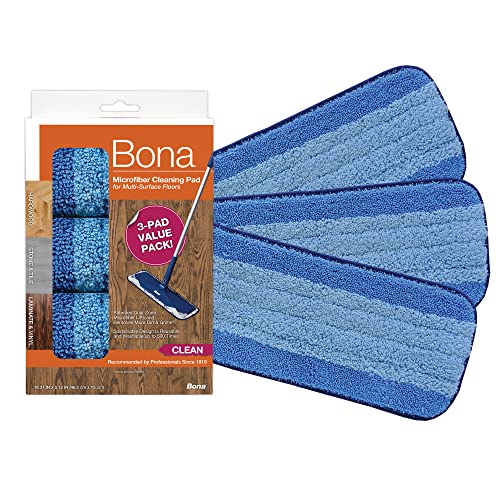
- soft microfiber floor cleaning pads for luxury vinyl plank
- pH neutral vinyl plank floor cleaner spray
- Bucket or spray bottle (for dilution if the cleaner requires it)
- Dry microfiber cloths or towels for streak-free final wipe


Before You Start
Before cleaning, do a quick prep to protect edges and prevent damage. Remove loose debris with a dry dust mop or a vacuum designed for hard floors, ensuring the beater bar is off to avoid scuffing. Place mats at entryways to catch dirt and grit. Work in well-lit rooms to spot spots clearly. Time estimate: 20–40 minutes for a typical 1,000–2,000 square feet space depending on layout.
Step-By-Step: How To Clean Luxury Vinyl Plank Floors
- Dry clean first by sweeping or vacuuming with the floor setting on the vacuum to remove loose dirt.
- Prep your cleaning solution if using a spray, spray a fine mist of the pH neutral vinyl plank floor cleaner spray onto a small section or onto the soft microfiber floor cleaning pads for luxury vinyl plank.
- Attach pads to the microfiber mop and dampen them slightly—do not soak. Excess moisture can seep into seams and loosen adhesive.
- Clean in sections with smooth, straight strokes. Avoid circular scrubbing that can lift edges. Rinse pads as needed to prevent spreading dirt.
- Pay attention to spills and sticky spots. For stubborn areas, apply a tiny amount of cleaner directly to the pad and work gently, then wipe with a clean pad.
- Rinse when necessary if the cleaner instructions require it, using a barely damp pad to avoid water pooling.
- Dry thoroughly with a dry microfiber cloth or towel to prevent water spots and keep floors looking glossy.
- Spot-check high-traffic zones like entryways or kitchens. Repeat cleaning steps as needed to remove tracked-in grit.
- Routine maintenance schedule: light daily dry cleaning, deep cleans every 1–2 weeks depending on usage.
- Rotate cleaning tools to extend pad life and prevent grime transfer between rooms.
- Storage keep cleaning products in a labeled spray bottle and store pads clean and dry to avoid contamination.
- Finish return furniture carefully and avoid sliding heavy items across the floor.
Troubleshooting
| Symptom | Likely Cause | Fix | Prevention |
|---|---|---|---|
| Faint streaks after cleaning | Residue buildup from cleaners | Wipe with a dry pad or use a light spray of cleaner on a fresh pad | Use pH neutral vinyl plank floor cleaner spray as directed |
| Water pooling on surface | Too much moisture or improper wringing | Wring pads until just damp; do not soak | Always wring pads and work in sections |
| Scratches appear after cleaning | Dirty or abrasive pads | Replace pads with clean, soft microfiber pads | Use only soft microfiber floor cleaning pads for luxury vinyl plank |
| Edges lifting or peeling | Excess moisture near seams | Avoid standing water; gently dry edges after cleaning | Use minimal water; wipe spills promptly |
Common Mistakes
- Using harsh or abrasive cleaners that can dull the finish or strip protective coatings
- Soaking the floor with water, especially near seams and under cabinets
- Scrubbing with stiff brushes or rough pads that scratch the surface
- Reusing dirty cleaning pads that spread dirt instead of lifting it
Tips For Best Results
- Stick to a pH neutral cleaner designed for vinyl floors to preserve shine and prevent damage.
- Utilize soft microfiber pads to reduce scuffing and achieve a smooth finish.
- Dust-mamp routine clears grit that could dull the look of LVP over time.
- Keep a small, dedicated cleaning caddy for quick touch-ups to avoid over-wetting.
Call A Professional
Any signs of severe damage, water intrusion under floors, warping, or adhesive failure should prompt a professional assessment. If you notice persistent discoloration, bubbling, or structural concerns beyond routine cleaning, contact a flooring specialist for guidance.
FAQ
Can I use a steam mop on luxury vinyl plank floors?
Steam mops are generally not recommended for LVP, as high heat and moisture can damage the protective layer and adhesive edges.
How often should I deep clean luxury vinyl plank floors?
Most homes benefit from a deep clean every 1–2 weeks, depending on traffic, pets, and spills.
What should I do about spills on LVP?
Wipe spills immediately with a damp, soft microfiber pad to prevent staining or water damage.
Are there cleaners I should avoid?
Avoid ammonia-based, bleach, or solvent-heavy cleaners that can degrade the finish over time.
Buying Guide
When selecting cleaning tools and products for luxury vinyl plank floors, consider these factors to optimize performance and longevity.
- <bSize and compatibility: Choose microfiber mops and pads sized to fit your space. Ensure the pads are specifically designed for LVP.
- <bNoise and ease of use: Opt for lightweight mops with quick-dry microfiber pads to reduce noise and fatigue during cleaning.
- <bEnergy and water efficiency: A damp-mop approach with a pH neutral vinyl plank floor cleaner spray minimizes water use and speeds drying time.
- <bControls and maintenance: Favor simple spray bottles or ready-to-use solutions that require minimal mixing and are easy to store.
- <bPlacement and storage: Keep cleaning supplies in a dedicated cabinet near the cleaning zone to encourage routine care and reduce trips back and forth.
- <bDurability and materials: High-quality microfiber pads last longer and resist skin oils left on floors, while rubberized mop heads won’t damage LVP.
- <bMaintenance plan: Establish a weekly cleaning routine and a monthly deep clean schedule to extend floor life.
Leave a Reply