How to Remove Tartar Safely at Home
Tar tar buildup on teeth can affect gum health and smile appearance. This guide explains practical steps for reducing and managing tartar using consumer-friendly tools while emphasizing safety and when to seek professional care.
Quick Answer
Regular dental cleanings remain the most effective method to remove tartar. For at-home care, use an ultrasonic dental scaler or a dental calculus remover tool to loosen light deposits, followed by routine brushing and flossing. Do not attempt aggressive scraping; improper use can injure gums and enamel. Seek a dentist if tartar is heavy or widespread.
What You’ll Need
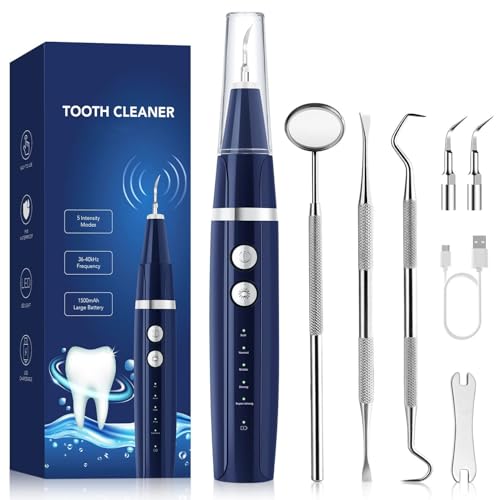
- home_tartar_remover_ultrasonic_dental_scaler
- dental_tartar_scraper_dental_calculus_remover_tool
- electric_tartar_remover_for_teeth_professional-grade


Before You Start
Assess your comfort level with at-home tools and understand the risks. Protect your gums and enamel by using gentle settings and avoiding excessive force. Work in a well-lit area, and follow manufacturer instructions for any device. Allow time for pauses if you feel pain or discomfort. If you have braces, implants, or sensitive gums, consult a dentist before starting any at-home tartar removal routine.
Step-By-Step: How To Remove Tartar At Home
- Rinse and inspect: Rinse with warm water, then examine tooth surfaces in a mirror to identify visible tartar buildup.
- Prepare tools: Read the user manual for your ultrasonic scaler or dental scraper and set the device to the lowest effective intensity.
- Gentle probing: Begin around the gumline in small, circular motions without forcing instruments into deep pockets.
- Target visible deposits: Focus on areas where tartar appears yellowish or gray and avoid sensitive regions.
- Alternate tools: If using multiple tools, switch between devices to reduce friction and distribute pressure evenly.
- Rinse and recheck: Rinse often to remove loosened deposits and reassess progress after each section.
- Finish with brushing: Use a fluoride toothpaste and a soft-bristled brush to polish and remove residual debris.
- Floss and mouthwash: Floss thoroughly, then rinse with an antiseptic mouthwash to reduce bacteria after removal.
- Observe for irritation: If gums appear inflamed or bleed, pause and reassess technique or seek professional guidance.
- Schedule regular care: Plan semiannual dental visits for professional tartar control and overall oral health.
- Care aftercare: Clean tools according to the manufacturer and store in a dry, safe place away from children.
- Evaluate results: Over-the-counter methods have limits; persistent tartar requires professional intervention.
Troubleshooting
| Symptom | Likely Cause | Fix | Prevention |
|---|---|---|---|
| Pain during use | Excess pressure or wrong angle | Pause, reduce intensity, adjust technique | Follow device guides and start on low settings |
| Gums bleed | Inflamed or sensitive tissue | Stop and consult a dentist; avoid aggressive scraping | Maintain gentle technique and regular professional cleanings |
| Deposits remain after use | Heavy tartar or hard calculus | Do not force; seek professional cleaning | Increase professional cleanings if buildup returns quickly |
| Device won’t turn on | Battery or power issue | Check charging, replace batteries if needed | Use manufacturer-approved chargers and storage |
| Tooth sensitivity | Enamel exposure | Pause using tools; consider desensitizing toothpaste | Limit at-home scraping and seek assessment |
Common Mistakes
- Using excessive force to “scrape away” tartar
- Neglecting to rinse and inspect progress
- Skipping follow-up brushing, flossing, or mouthwash
- Ignoring signs of irritation or bleeding gums
- Relying solely on at-home tools for heavy deposits
Tips For Best Results
- Pair at-home tools with a good oral hygiene routine: brush twice daily and floss once per day.
- Use tools only on visible deposits near the gumline; avoid deep pockets unless guided by a professional.
- Keep tools clean and dry between uses to prevent bacterial growth.
- Maintain regular dental checkups for comprehensive tartar management.
- Dry the treatment area briefly with a clean cloth to improve visibility and effectiveness.
Call A Professional
At-home tartar removal has limitations. Seek a professional if tartar is heavy, widespread, or causing discomfort, if you have braces or dental implants, or if you notice persistent gum inflammation. Signs that require a dentist include severe sensitivity, bleeding that won’t stop, or visible swelling. A professional cleaning uses specialized instruments and techniques to safely remove tartar and restore gum health.
FAQ
Is at-home tartar removal safe?
When used correctly on light deposits, it can be safe, but improper use can injure gums or enamel. Follow manufacturer instructions and avoid aggressive scraping.
How often should I use at-home tartar tools?
As part of a daily oral hygiene routine, but avoid overuse. Rely on professional cleanings for significant buildup.
Can these tools replace dental visits?
No. They complement routine care but do not replace professional cleanings or exams.
What if tartar returns quickly?
Frequent buildup may indicate underlying gum disease or dietary factors. Schedule a dental evaluation.
Buying Guide
When choosing a tartar removal tool for home use, consider size, weight, and grip comfort for precise control. Look for adjustable intensity, safety features to prevent gum injury, and compatibility with dental calculus remover attachments. Noise level matters for household use, as does battery life and charging time. Energy efficiency and corded versus cordless designs affect convenience. A compact unit with a protective cap or case helps with storage. Consider placement: a compact device fits easily in a bathroom drawer or travel kit. Compare performance across models that include a built-in timer or pressure sensor for consistent use. Finally, verify compatibility with existing accessories and whether customer support offers replacement parts. Is a professional-grade device worth the investment for your needs? For many users, a mid-range option that provides reliable performance and clear user guidance offers the best balance of safety, effectiveness, and value.
Leave a Reply