How to Clean Painted Doors
Painted doors add character to a room, but they can show smudges, fingerprints, and dust more visibly than other surfaces. Proper cleaning keeps the finish looking fresh without dulling or stripping the paint. This guide walks through safe methods and practical tips for American homes, using common household tools and products.
Quick Answer
Best quick method: Start with a dry microfiber cloth to remove loose dust, then wipe with a mild solution of warm water and a gentle detergent. For scuff marks, use a melamine sponge on painted surfaces and finish with a soft cloth. Avoid abrasive brushes on glossy paint and always test a hidden area first.
What You’ll Need
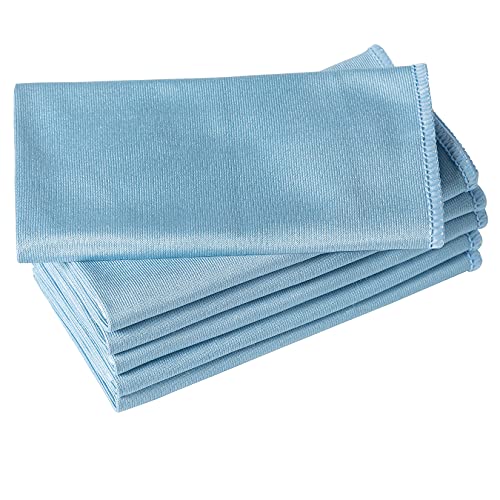
- Microfiber cleaning cloths for painted doors
- Melamine sponge Magic Eraser for painted surfaces
- Soft bristle scrub brush for painted wood surfaces
- Dish soap or mild dish detergent
- Warm water
- Bucket or spray bottle
- Optional: baking soda for stubborn grime


Before You Start
Assess the door finish before cleaning. Test a small, inconspicuous area to ensure there is no discoloration or dulling. Work in a shaded area to avoid fast drying that can leave streaks. Plan for gentle cleaning and avoid soaking the door, especially if the paint is older or peeling. Expect a typical cleaning session to take 15–30 minutes per door, depending on size and grime.
Step-By-Step: How To Clean Painted Doors
- Dry dust the door surfaces with a microfiber cloth to remove loose dirt.
- Mix a small amount of mild detergent with warm water in a bucket or spray bottle.
- Dip a microfiber cloth into the solution, wring it well, and wipe the door along grain lines to remove grime.
- For stubborn spots, use a soft bristle scrub brush for painted wood surfaces with light pressure, then wipe away residue with a clean cloth.
- Moderately dampen a new cloth for a second pass to remove any soap film; avoid saturating the door.
- For scuffs or marks, lightly dampen a melamine sponge Magic Eraser for painted surfaces and gently rub. Rinse and wipe with a dry cloth immediately after use.
- Dry the door with a clean, dry microfiber cloth to prevent water spots and possible paint swelling.
- Inspect for remaining marks; repeat any gentle cleaning as needed, then return hardware to its place if removed.
- Finish with a light, protective wipe if the paint finish allows for a subtle shine, avoiding waxes that can build up over time.
Troubleshooting
| Symptom | Likely Cause | Fix | Prevention |
|---|---|---|---|
| Streaks or water marks | Excess moisture or soap residue | Wipe with a clean, damp cloth, then dry immediately | Wring cloth well; use minimal water |
| Fading or dull look after cleaning | Harsh cleaners or scrubbing | Switch to mild soap and avoid abrasive pads | Spot-test; use the gentlest method first |
| Scratch marks appearing | Aggressive scrubbing | Use a soft cloth and avoid rubbing too hard; consider touch-up paint if needed | Gentle cleaning technique |
| Peeling paint after damp cleaning | Old or loose paint; excessive moisture | Cease moisture-intensive cleaning and consult refinishing guidance | Test area; limit moisture exposure on older finishes |
Common Mistakes
- Using abrasive brushes or scouring pads on painted surfaces
- Over-wetting doors or letting water pool around hinges and edges
- Choosing harsh cleaners that strip protective coatings
- Neglecting to test a hidden area before full cleaning
- Skipping drying, which can cause water damage or streaks
Tips For Best Results
- Always start with dry dusting to reduce the need for moisture.
- Use microfiber cleaning cloths for painted doors for gentle, effective pickup of dust and grease.
- Reserve the melamine sponge for tougher marks and test first to prevent surface dulling.
- Clean in small sections and follow with a final dry wipe to avoid drying marks.
- Regular, light cleanings preserve the paint finish longer than heavy, infrequent scrubs.
Call A Professional
Signs that warrant professional help include extensive peeling or chipping, mismatched paint patches after cleaning, or persistent stains that resist gentle cleaning. If the door is part of a historic or high-value finish, a professional refinisher can preserve authenticity and protect the surface integrity.
FAQ
Can I use vinegar or lemon juice on painted doors?
They can be used in very small amounts diluted with water, but test first as strong acidity can affect certain paints. Prefer mild detergents for routine cleaning.
Is a damp sponge safer than a cloth for cleaning?
Yes, provided the sponge is wrung out well and used with a gentle detergent solution to avoid leaving excess moisture behind.
How often should painted doors be cleaned?
Light cleaning every few weeks is usually sufficient; more frequent cleaning may be needed in high-traffic areas or households with kids and pets.
Should I wax painted doors after cleaning?
In most cases, waxing is not necessary and can create a residue that attracts dust. If the finish truly benefits from a protective layer, consult the paint manufacturer’s guidelines.
What about cleaning behind hardware like handles and hinges?
Remove hardware if needed and clean behind it to prevent grime buildup, then reattach once dry.
Is it safe to use a steam cleaner on painted doors?
Steam can raise grain or loosen paint on some finishes, so avoid steam cleaning unless the paint is specifically rated for it and tested first.
Buying Guide
When choosing cleaning tools for painted doors, consider several factors to balance effectiveness with the integrity of the finish.
- Size and weight of the door: Larger doors benefit from longer-handled tools or a two-cloth approach to reduce bending and ensure even cleaning.
- Noise level: Microfiber cloths and soft brushes are quiet, which helps in living spaces, hallways, and bedrooms.
- Energy efficiency: Not directly applicable, but efficient cleaning means shorter sessions and less time with doors exposed to moisture.
- Controls and ease of use: Simple solutions like mild soap and warm water paired with softly bristled brushes minimize risk of damage.
- Placement and storage: Keep cleaning cloths and sponges readily accessible near the cleaning area for quick touch-ups.
In practice, a basic kit that includes microfiber cleaning cloths for painted doors, a melamine sponge Magic Eraser for painted surfaces, and a soft bristle scrub brush for painted wood surfaces covers most scenarios. For routine maintenance, these tools pair well with a mild detergent solution and careful dry finishing. If grime is persistent, consider a gentler, stepwise approach rather than aggressive scrubbing to protect the paint finish.
Leave a Reply