How to Get Rid of Bugs in Garbage Disposals
Garbage disposals can attract pests when residue remains and seals wear down. This guide outlines practical, user-friendly steps to reduce bugs, eliminate odors, and keep the disposal system clean and safe. The focus is on accessible solutions for American households and common kitchen setups.
Quick Answer
Start with a thorough cleaning of the disposal using a reliable cleaning method, then neutralize odors and seal out pests. If bugs persist, check the trap and plumbing for blockages and consider mechanical clearing with a flexible auger before re-cleaning. Regular maintenance is key to long-term relief.
What You’ll Need
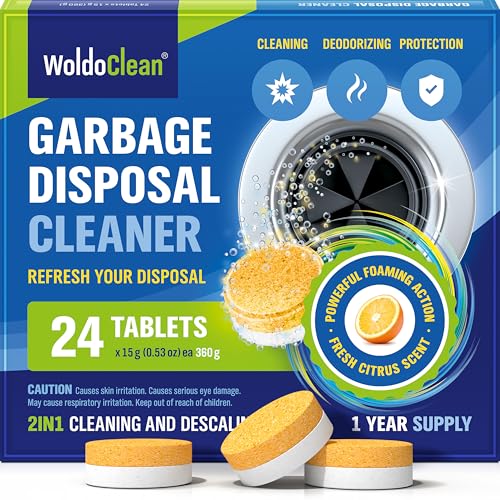
- Garbage disposal cleaning tablets 60-count
- Garbage disposal odor eliminator spray 16 oz
- Drain auger flexible snake for garbage disposal clog removal


Before You Start
Before beginning, turn off the disposal at the wall switch and unplug the unit if possible. Ensure the faucet is off and the area under the sink is dry to prevent slip hazards. Wear gloves and eye protection when handling cleaners or plungers. Time estimates: assembly and setup 5–10 minutes; cleaning and deodorizing 15–20 minutes; inspection and test run 5 minutes.
Cautions: Do not put hands into the grind chamber, even with the power off. Avoid mixing chemical cleaners with natural cleaners unless the product instructions explicitly permit it. If you notice leaks, unusual noises, or persistent backups, reassess the setup and seek professional help if needed.
Step-By-Step: How To Get Rid Of Bugs In Garbage Disposals
- Disconnect power to the disposal, then run cold water to flush debris and reveal any obvious clogs.
- Remove standing water using a cup or container to prevent splashing during cleaning.
- Drop in a garbage disposal cleaning tablet, following the package directions for placement and contact time.
- Run cold water and switch on the disposal to agitate the cleaner and dislodge organic buildup from the interior walls.
- Spray the interior and surrounding seals with garbage disposal odor eliminator spray to neutralize odors that attract pests.
- Use a drain auger flexible snake for garbage disposal clog removal to clear any stubborn clogs near the trap and inlet.
- Re-run the disposal with running water for a full minute to rinse loose debris down the drain.
- Inspect the splash guard and inlet area; wipe clean and reassemble with a dry seal to minimize odor leaks.
- For stubborn odors, repeat the cleaning cycle or apply another round of tablets and spray as directed, then test the unit.
- Run a few minutes of water with the disposal on to confirm smooth operation and absence of unusual noises.
- Schedule regular maintenance: a monthly cleaning cycle and quarterly odor control to deter future pest activity.
Troubleshooting
| Symptom | Likely Cause | Fix | Prevention |
|---|---|---|---|
| Persistent odor after cleaning | Inadequate interior cleaning or seals | Repeat cleaning cycle with tablets; wipe seals and replace if worn | Regular cleaning cycle and immediate addressing of leaks |
| Bugs observed near disposal area | Residue buildup and damp environment | Thorough cleaning; use odor eliminator spray; keep area dry | Keep water off during idle periods; quick wipe-down after use |
| Disposal won’t start or runs rough | Electrical issue or jam | Check power, reset switch, clear jams with a snake if safe | Gentle use; avoid hard objects in disposal |
| Backflow or gurgling | Clog/air gap issue | Clear blockage with auger; inspect trap and plumbing | Proper disposal use; maintain trap clean |
Common Mistakes
- Using hot water exclusively to flush the system, which can loosen grease and cause sooner buildup
- Pouring fatty oils or fibrous foods down the disposal, creating clogs that attract pests
- Neglecting seals and splash guards, leading to persistent odors and attractants
- Relying on a single cleaning method; combining tablets with odor spray yields better results
Tips For Best Results
- Employ a regular cleaning routine using disposal cleaning tablets to maintain interior cleanliness
- Alternate with odor eliminator spray to keep surrounding area fresh and unattractive to bugs
- Utilize a drain auger flexible snake for occasional deep clearing, especially after long periods of inactivity
- Run cold water during and after each cleaning cycle to help lock out odors and move debris away
- Keep the under-sink area dry and well-ventilated to discourage pests from nesting nearby
Call A Professional
Seek professional help if there is any sign of persistent leaks, electrical issues, or damage to the disposal housing. Stop using the unit if unusual noises are heard after attempting basic troubleshooting. If odors and bugs persist despite multiple cleaning cycles, a licensed plumber or appliance technician can assess for hidden leaks, improper venting, or sewer gas intrusion.
FAQ
Can I use lemon peels to freshen the disposal?
Natural citrus helps with odor but may not address organic buildup; combine with cleaning tablets for best results.
How often should I clean my garbage disposal?
Aim for a cleaning cycle monthly, with deeper clean every few months or as needed when odors return.
Is it safe to use a drain auger in a garbage disposal?
Yes, but proceed only if the unit is powered off and unplugged; avoid forcing the tool and consult manufacturer guidance if unsure.
What should I do if the disposal is clogged but not turning on?
Check the reset button, ensure power is supplied, and cleared jams with caution before attempting further maintenance.
Buying Guide
When choosing tools and products for garbage disposal maintenance, consider size and compatibility with your cabinet space, noise level expectations, energy impact (low-power tools or manual methods), control options, and placement under the sink. Key factors include:
- Disposal cleaning tablets to maintain interior cleanliness and reduce odor-causing residues
- Odor eliminator spray for quick, surface-level freshness around the unit
- Drain auger flexible snake for occasional clog removal without dismantling the unit
For best results, choose a pair of products that complement each other: a durable cleaning tablet for ongoing maintenance and a spray for spot deodorizing. If space is tight, verify that the auger fits accessible storage and can reach typical clog points. Consider user reviews and clear instructions to ensure safe, effective use in a busy American kitchen.
Leave a Reply