How to Get Rid of Mice at Home
Dealing with a mouse problem requires a practical plan that combines prevention, monitoring, and effective control methods. This guide outlines actionable steps using common tools and products to help American households reduce the risk of infestations and protect living spaces.
Quick Answer
Act quickly, seal gaps, and deploy a mix of traps and deterrents. Start with humane or electronic options to reduce activity, then reinforce with sealing and cleaning. Monitor for fresh droppings and set a new round of traps if activity continues beyond a few days.
What You’ll Need
- Electronic mouse trap indoor electric kill device
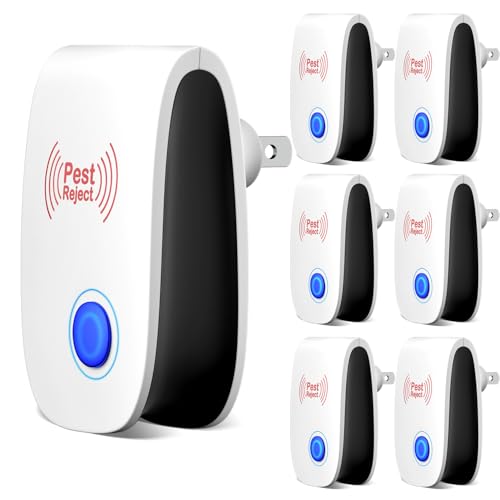
- Ultrasonic plug-in mouse repeller pest control
- Steel snap traps mice 4-pack spring-loaded traps
- Protective gloves and disposable bag for disposal
- Caulk or steel wool for sealing gaps


Before You Start
Preparation reduces the chance of future infestations. Clear clutter, store food in sealed containers, and fix water sources. Inspect walls, baseboards, and entry points such as gaps around pipes or door frames. Safety note: Always follow product instructions, keep traps away from children and pets, and wear gloves when handling traps or dead rodents.
Estimated setup time: 60–120 minutes for a typical home area. Ongoing monitoring may be needed for several days or weeks depending on activity.
Step-By-Step: How To Get Rid Of Mice At Home
- Identify active zones by looking for fresh droppings, gnawed materials, and tracks along walls. Target these areas first for placement.
- Place electronic mouse trap indoor electric kill device along walls where mice travel, ensuring the device is stable and inaccessible to children or pets.
- Set up ultrasonic plug-in mouse repeller pest control in rooms with high activity but away from direct lines of sight and heat sources that could affect effectiveness.
- Deploy steel snap traps mice 4-pack spring-loaded traps at narrow runways or along walls near entry points. Use a bait such as peanut butter to entice mice.
- Include multiple traps in a grid pattern across identified activity zones to increase capture chances without overcrowding a single area.
- Check traps daily. Collect and dispose of any captured mice promptly in a sealed bag, and reset traps as needed.
- Seal gaps and potential entry points as soon as evidence is found. Use caulk for small gaps and steel wool for larger openings, then finish with weatherstripping where appropriate.
- Declutter the area to reduce nesting sites. Store food in airtight containers and clean crumbs and spills promptly.
- Maintain cleanliness and continue to monitor for new signs of activity for at least two weeks after the last capture.
- Reassess and adjust trap placement if activity returns in new locations, and rotate traps to prevent bait aversion.
- Consider professional help if a large infestation is suspected, or if mice persist despite multiple strategies.
- After a period with no activity, perform a final check for any hidden entry points and reinforce with ongoing preventive measures.
Troubleshooting
| Symptom | Likely Cause | Fix | Prevention |
|---|---|---|---|
| Traps not triggering | Trap sensitivity or poor bait placement | Reposition with fresh bait; ensure bait is on the trigger | Place traps in active runways; avoid corners where mice stop |
| Continued activity after weeks | New mice entering from unsealed gaps | Seal all entry points and reinforce with barriers | Regularly inspect exterior walls and vent openings |
| Ultrasonic repeller seems ineffective | Obstructions or adaptative behavior | Move units to new locations; avoid placing behind furniture | Use in combination with traps and sealing |
| Dead mice odors | Hidden carcasses | Safely remove carcasses and sanitize the area | Maintain traps and monitor for new activity |
Common Mistakes
- Relying on a single trap or deterrent instead of a multi-method approach
- Ignoring gaps and entry points, leading to re-infestation
- Using bait that attracts pets or children or placing traps in non-travel areas
- Failing to sanitize areas, which can leave scents that attract new mice
By diversifying methods and addressing entry points, homes can achieve more durable control over mouse problems.
Tips For Best Results
- Place traps along wall edges where mice travel and avoid open spaces where they are less likely to pass.
- Use fresh bait regularly. If bait dries out, replace it to maintain appeal.
- Combine traps with sanitation: promptly remove crumbs, store food properly, and clean up spills.
- Keep a log of activity to identify patterns and improve trap placement over time.
- Check seasonality: mice often increase activity in cooler months, so prepare ahead of time.
Call A Professional
Seek professional help if signs of infestation persist after two weeks of consistent trapping and sealing, or if there is evidence of large populations, nesting inside walls, or hard-to-reach areas. Stop signs include rapid increases in droppings, chew marks on structural components, and persistent odors that indicate hidden mice are present.
FAQ
What is the most effective method to start a mouse control plan?
Begin with sealing entry points, then use a combination of traps and deterrents to reduce activity and prevent reentry.
Are electronic mouse traps safe for households with pets?
Many models are designed with safety features, but always place traps in areas inaccessible to pets and supervise use.
Can ultrasonic repellents replace traps?
Ultrasonic repellents help deter mice but are most effective when used alongside traps and sanitation.
How long should I keep traps active?
Continue trapping for at least two weeks after activity ceases, then reassess and seal potential entry points.
Buying Guide
Choosing the right tools depends on space, entry points, and household safety. Consider size and layout to determine how many devices fit effectively. Noise level matters for living spaces; look for silent operation in electric kill devices where possible. Energy efficiency is usually not a major concern for short-term use, but plug-in devices should be energy-conscious. Controls should be intuitive, with clear indicators for bait status and trap action. Placement matters: position devices along walls, near suspected runways, and away from children or pets. Compare the balance between proactive deterrence (ultrasonic repellents) and active capture (traps) to tailor the plan to your home. If a single room shows persistent activity, prioritize that space first while expanding to other areas. With thoughtful selection and consistent maintenance, a combination of the listed products can provide a practical, safe, and effective solution for many American households.
Leave a Reply