How to Clean a Damascus Steel Knife
Damascus steel knives are prized for their sharp edge and distinctive patterns. Proper cleaning and maintenance help preserve their beauty and performance. This guide provides practical steps to safely clean and care for a Damascus steel knife without damaging the blade or handle.
Quick Answer
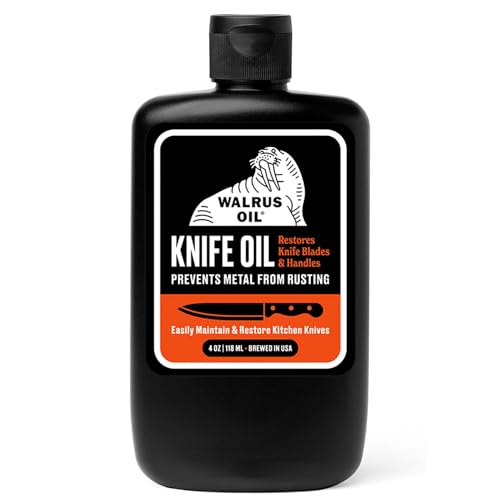
Rinse the knife with warm water, dry immediately, apply a small amount of Damascus steel knife care oil bottle to the blade, and wipe with a microfiber polishing cloth for Damascus knife to remove fingerprints. For routine cleaning, use a soft nylon knife cleaning brush Damascus to remove debris along the spine and handle joints.
What You’ll Need
- Damascus steel knife care oil bottle
- Soft nylon knife cleaning brush Damascus
- Microfiber polishing cloth for Damascus knife
- Warm water and mild dish soap (optional)
- Non-abrasive drying towel


Before You Start
Prepare a clean work area and ensure the knife is fully cooled before cleaning. Avoid soaking the blade for long periods, which can damage the edge and the handle. Keep the blade away from acidic or highly reactive cleaners, and never place a Damascus knife in a dishwasher. Time estimate: 5–10 minutes for routine cleaning; 15–20 minutes for a deeper wipe-down.
Step-By-Step: How To Clean A Damascus Steel Knife
- Rinse the blade under warm running water to remove loose particles.
- Gently wash with a small amount of mild dish soap if needed, using the soft nylon knife cleaning brush Damascus to lift debris from the blade and handle.
- Rinse again to remove soap residue and pat dry with a soft towel.
- Inspect the edge and blade for any staining or rust-prone spots; if present, wipe with a damp cloth and dry immediately.
- Apply a thin layer of Damascus steel knife care oil bottle along the blade’s surface, avoiding the edge if possible, and wipe off excess with the microfiber polishing cloth for Damascus knife.
- Polish the blade with the microfiber cloth in long, smooth strokes to enhance luster and remove fingerprints.
- Wipe the spine, choil, and any visible joints to prevent moisture trapping—this helps maintain the pattern integrity over time.
- Store the knife in a dry place, preferably in a knife sheath or a designated knife block away from moisture.
- For routine upkeep, repeat the cleaning once a week for daily use or after heavy cutting tasks.
- If the knife develops rust spots, treat promptly with light oil and gentle brass or nylon brush, then re-wipe and oil.
- Never leave the knife soaking or exposed to acidic cleaners or saltwater environments.
Troubleshooting
| Symptom | Likely Cause | Fix | Prevention |
|---|---|---|---|
| Light rust or staining | Moisture exposure or infrequent oiling | Gently scrub with brush, re-oil blade, and dry thoroughly | Oil after use and store dry |
| Fingerprint marks or dull sheen | Oil depletion or improper drying | Wipe with microfiber cloth and reapply light oil | Dry completely after washing |
| Rust on handle hardware | Exposure to water in joints | Dry thoroughly and oil moving parts if applicable | Avoid soaking and store away from humidity |
| Blade edge felt dull after cleaning | Excessive force with brush or abrasive cleaners | Switch to gentle cleaning and follow up with oil | Use non-abrasive tools only |
Common Mistakes
- Cleaning with abrasive pads or steel wool that can scratch the blade
- Leaving the blade exposed to moisture or saltwater for extended periods
- Using aggressive cleaners or dishwasher cycles on Damascus steel
- Over-oiling the blade, which creates a greasy buildup
To avoid these issues, rely on soft tools, mild cleaners, and prompt drying after washing.
Tips For Best Results
- Use the microfiber cloth for final polishing to bring out blade patterns without scratching the surface.
- Apply oil sparingly; a thin coat protects without attracting dust.
- Maintain a routine: oil after each use if the knife sees heavy use or exposure to moisture.
- If the knife has a wooden handle, consider a separate conditioning oil suitable for wood to prevent cracking.
Call A Professional
Seek professional assistance if you notice severe rust, deep corrosion, loose handle fittings, or significant chipping along the edge. Do not attempt major repairs yourself if you lack proper tools and training.
FAQ
How often should I oil a Damascus steel knife?
Oil after use if the blade is exposed to moisture or during routine maintenance once a week for frequent use.
Can I put Damascus knives in the dishwasher?
No. Dishwashers can damage the blade pattern and the handle materials.
What is the best cleaning brush for Damascus knives?
A soft nylon brush designed for knives helps lift debris without scratching the blade.
Is there a risk using oil on Damascus steel?
When used in small amounts and wiped clean, oil protects the blade; avoid leaving pooled oil on the edge.
What should I do if rust forms on the blade?
Gently clean, re-oil, and dry promptly; if severe, consult a professional for restoration.
Can I use household soap on Damascus blades?
Yes, mild dish soap is acceptable in small amounts, followed by thorough rinsing and drying.
How can I protect the pattern on Damascus steel during cleaning?
Use non-abrasive tools and soft fabrics; avoid harsh chemicals that can affect the pattern.
Buying Guide
When selecting tools and maintenance items for a Damascus steel knife, consider size, compatibility with your knife, and the working environment. A Damascus steel knife care oil bottle should be lightweight and non-resinous to avoid residue on the blade. A soft nylon knife cleaning brush Damascus is ideal for delicate cleaning along the spine and in the handle joints. A microfiber polishing cloth for Damascus knife provides a safe, lint-free finish to preserve blade luster.
Key buying factors include blade size and tang type, handle material, and maintenance accessibility. For most kitchen and outdoor knives, an oil suitable for steel in urban environments is sufficient, while cloth and brush choices should emphasize non-abrasive performance. Consider the frequency of use, storage conditions, and whether you prefer DIY upkeep or occasional professional maintenance.
Question to ask before purchasing: Will the maintenance items fit your current care routine? Are you prioritizing quick wipe-downs or deeper periodic cleanings? A simple kit with oil, a soft brush, and a microfiber cloth often covers essential needs without overcomplicating care.
Leave a Reply