How to Clean Fabric Furniture
Maintaining fabric furniture helps extend its life and keeps living spaces fresh. This guide walks readers through practical, American-friendly steps to clean upholstery effectively, using common household tools and safe cleaners designed for fabric materials.
Quick Answer
The fastest route to a refreshed fabric sofa is to pretreat stains with a fabric-specific spray, vacuum or brush gently, then use a suitable upholstery cleaning tool to extract dirt and moisture. Always test any product on an inconspicuous area first and follow manufacturer instructions for cleaning cycles and drying times.
What You’ll Need
- Upholstery steam cleaner for fabric furniture
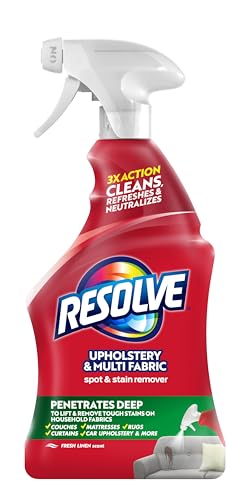
- Fabric sofa stain remover spray 22 oz enzymatic cleaner
- Portable upholstery cleaner machine for couches and chairs


Before You Start
Before beginning, move furniture away from walls and clear surrounding surfaces. Vacuum the fabric thoroughly to remove loose dirt and debris. Check fabric care labels for any restrictions (water-based cleaners vs. solvent-based cleaners). Spot-test cleaners on a hidden area to ensure colorfastness and fabric integrity. Allow adequate ventilation and plan for drying time, typically 2–6 hours depending on humidity and fabric. If spills are recent or stains are problematic, set aside extra time for multiple passes.
Step-By-Step: How To Clean Fabric Furniture
- Identify fabric type and care instructions to choose the right cleaner and method.
- Vacuum the surface and crevices to remove loose dirt and pet hair.
- Apply a targeted enzymatic stain remover spray to the affected area, following label directions.
- Gently blot with a clean microfiber cloth to lift the stain without saturating the upholstery.
- Use a portable upholstery cleaner machine or upholstery steam cleaner on a low-moisture setting, covering small sections at a time.
- Rinse lightly if the machine requires water, avoiding over-wetting the fabric.
- Repeat as needed for stubborn spots, then allow the fabric to air-dry completely.
- Brush the nap lightly once dry to restore texture, and re-vacuum to remove any lingering particles.
- Reassess the fabric after drying; repeat steps for any remaining stains or odors.
- If odors persist, consider a second pass with a fabric-safe deodorizing product designed for upholstery.
- Return furniture to its resting position once fully dry and inspect for missed spots.
Troubleshooting
| Symptom | Likely Cause | Fix | Prevention |
|---|---|---|---|
| Stains reappear after drying | Insufficient cleaning or heat-set stain | Re-treat with enzymatic cleaner and extract thoroughly | Address stains promptly; avoid over-wetting |
| Fabrics feel stiff after cleaning | Residue from cleaners | Rinse lightly and brush nap | Test cleaners and use recommended rinse cycles |
| Color transfer or fading | Incompatible cleaner or water exposure | Cease use of that product and re-test on hidden area with a compatible product | Always patch-test and follow fabric care labels |
| Musty odor after cleaning | Insufficient drying | Increase ventilation, slow-down moisture or use a deodorizer designed for upholstery | Dry completely before use |
Common Mistakes
- Over-wetting the fabric, which can lead to mildew and long drying times.
- Using hot water or steam on heat-sensitive fabrics that may shrink or fade.
- Neglecting to test cleaners on a hidden area, risking color loss.
- Rubbing stains aggressively, spreading them or embedding dirt deeper.
- Ignoring instructions for spray containment on delicate textiles like velvet.
By avoiding these pitfalls, upholstery cleaning becomes safer and more effective, preserving texture and color over time.
Tips For Best Results
- Work in a well-ventilated area to speed up drying and reduce odor buildup.
- Use a light, even spray pattern to prevent saturation; target only the stained area when appropriate.
- Keep a stain-removal spray on hand for quick responses to spills and accidents.
- Comb the fabric nap with a soft brush after cleaning to restore its original texture.
- Regular maintenance—vacuuming weekly and spot-treating as needed—extends the life of fabric furniture.
Call A Professional
Consider professional help if there are large stains, persistent odors, or fabrics that are delicate or heavily soiled. Stop cleaning and seek expert assessment if you notice discoloration, fabric shrinking, or if the cleaning process causes changes in texture or stiffness. For antique or high-value pieces, professional cleaning can preserve value and extend life.
FAQ
Can I use bleach on fabric furniture?
Avoid bleach on most fabrics as it can discolor or weaken fibers; use fabric-safe spot treatments instead.
Is steam cleaning safe for all upholstery?
Steam cleaning is generally safe for many fabrics but test first and follow manufacturer guidance for sensitive textiles.
How long does it take for fabric furniture to dry after cleaning?
Drying times vary by fabric and environment, typically 2–6 hours, sometimes longer in humid spaces.
Should I clean cushions separately?
Yes, clean cushions and covers separately when possible to ensure thorough cleaning and drying.
Buying Guide
When choosing cleaning solutions and equipment for fabric furniture, consider size, noise, energy use, and reach. A compact upholstery cleaner is handy for apartments, while larger units are suitable for households with multiple pieces. Look for low-noise operation to minimize disruption. Energy-efficient machines save electricity during longer cleaning sessions. Controls should be straightforward, with clear indicators for spray, suction, and drying modes. For placement, ensure storage is accessible and that appliances fit in the cleaning area without clutter. Finally, ensure compatibility with your fabric type by checking the product labels and care tags on your furniture.
Leave a Reply