How to Clean Floor Corners Efficiently
Cleaning floor corners can be challenging due to tight gaps and hard-to-reach edges. This guide provides practical, step-by-step methods using common tools to remove dust, dirt, and debris from corners on various floor types.
Quick Answer
For fast results, start with a microfiber mop equipped with an angled head for corners, follow with an edge cleaning tool or corner brush for stubborn debris, and swap to a vacuum crevice tool for tight gaps. Repeat as needed for gleaming edges.
What You’ll Need
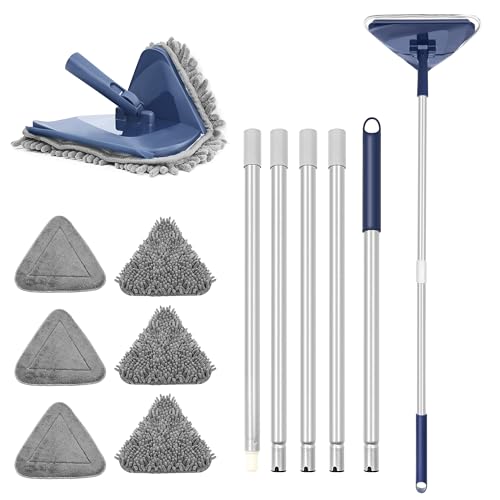
- Microfiber mop with angled head for corners
- Edge cleaning tool for floors corner brush
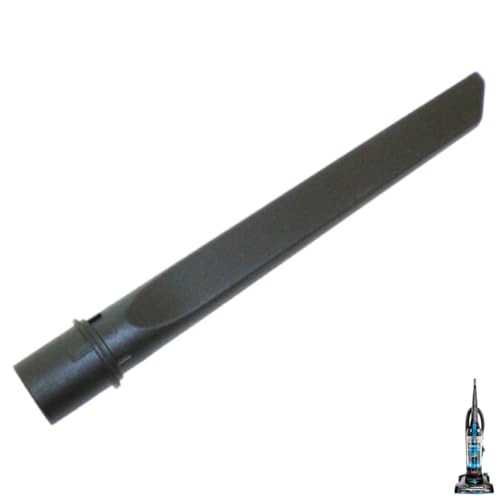
- Vacuum crevice tool floor edge and corner attachment

Before You Start
Check the flooring type and reset nearby furniture to clear space. Dry brushing first prevents dust from becoming airborne, then use damp methods on sealed surfaces. Wear a mask if you have allergies and keep kids and pets away from the work area. Plan about 10–20 minutes for normal cleaning, longer for dusty spaces.
Step-By-Step: How To Clean Floor Corners
- Clear the area around the corner and remove loose debris with a dry microfiber cloth.
- Use the angled head of the microfiber mop to reach into the corner, sweeping dust toward the center of the room.
- Switch to an edge cleaning tool for stubborn debris lodged in the joint where walls meet the floor.
- Grasp the tool at a slight angle and work along the baseboard edge to pull particles out of tight spaces.
- For deeper gaps, attach the vacuum crevice tool and run it along the corner with slow, steady passes.
- Vacuum or wipe again to remove loosened dust; repeat as necessary for a clean edge.
- Wipe the very edge with a damp microfiber cloth to pick up any remaining residue.
- Dry the area with a clean microfiber pad or dry cloth to prevent moisture damage on wood or laminate.
- Inspect the corner from multiple angles, repeating steps if any dirt remains.
Troubleshooting
| Symptom | Likely Cause | Fix | Prevention |
|---|---|---|---|
| Dust returns after cleaning | Static cling or overlooked debris | Run a second pass with the angled mop head | Regularly dust before mopping |
| Moisture marks on wood or laminate | Excess moisture | Use a barely damp cloth and dry promptly | Wring out tools thoroughly |
| Debris stuck in very tight corner | Narrow gaps | Use vacuum crevice tool in narrow angle | Keep tools clean and change attachments |
| Tool head not reaching corner | Blockage or wrong angle | Adjust technique or switch to edge cleaning tool | Choose the correct tool for your space |
Common Mistakes
- Using oversized tools that don’t fit into corners
- Over-wetting porous flooring or wooden baseboards
- Neglecting to vacuum after sweeping loose dust
- Forgetting to move furniture to access edge areas
Tips For Best Results
- Maintain a regular cleaning schedule to prevent buildup in corners.
- Combine dry dusting with damp mopping for thorough removal of grime.
- Test cleaning tools on a small area to avoid scuffs or moisture damage.
- Choose the right attachment based on floor type (hardwood, laminate, tile).
Call A Professional
Seek professional help if corners are severely damaged, mold is suspected, or if cleaning requires chemical treatments beyond household methods. Contact a pro when water damage, persistent stains, or warped baseboards appear.
FAQ
Can I use a regular mop for corner cleaning?
Yes, but an angled-head microfiber mop provides better access to tight corners and tends to pick up more dust with less effort.
What’s the best attachment for very tight gaps?
The vacuum crevice tool floor edge and corner attachment shines in narrow spaces where a mop head cannot reach.
Is damp cleaning necessary for corners?
Damp cleaning helps lift grime that dry wiping misses, but avoid excessive moisture on wood or laminate.
How often should I clean floor corners?
Dust and debris can accumulate quickly; plan a quick corner clean during routine floor maintenance, at least weekly for high-traffic areas.
Buying Guide
When selecting tools to clean floor corners, consider size, compatibility with your floor type, and maneuverability. A microfiber mop with an angled head excels at most corners, while an edge cleaning tool targets stubborn debris in joints. A vacuum crevice tool provides powerful suction for narrow gaps. Look for tools with soft edges to prevent scratching and a comfortable grip for extended use.
Key Buying Factors
- Corner reach and compatibility: Ensure the angled head fits your typical corner width and floor type.
- Edge cleaning capability: An edge tool or corner brush helps remove debris tucked along baseboards.
- Suction power: A capable vacuum crevice tool can extract embedded dust from tight corners.
- Ease of use: Lightweight designs and quick-change attachments save time during routine cleaning.
- Durability and materials: Look for sturdy plastic and microfiber that withstands repeated use.
- Maintenance: Detachable parts and machine-washable pads simplify cleaning and longevity.
- Floor type considerations: Check recommendations for hardwood, laminate, tile, or vinyl to avoid moisture or scratching.
With the right combination of tools, cleaning floor corners becomes a quick, repeatable part of any cleaning routine. Which setup will fit your space best—angled-mop access, edge brushes, or a crevice-focused vacuum?
Leave a Reply