How to Clean a Front-Load Washer Rubber Seal
Front-loading washing machines rely on a flexible rubber door seal to keep water inside during cycles. Over time, soap scum, mold, and mildew can accumulate in the gasket, leading to odors and potential mildew transfer to laundry. This guide provides practical steps, safe products, and pro tips to clean and maintain the rubber door seal effectively.
The process is straightforward and can be completed with common household tools and a few specialty cleaners designed for gasket maintenance. Regular cleaning helps extend the life of the washer and keeps laundry smelling fresh.
Quick Answer
For a fast, effective clean, mix a mild cleaning spray with a soft brush, wipe away residue, and dry the gasket thoroughly. Use a dedicated gasket cleaning tool or brush for tight corners, then rinse and ran an empty hot cycle with a cleaning solution if needed to deter future buildup.
What You’ll Need
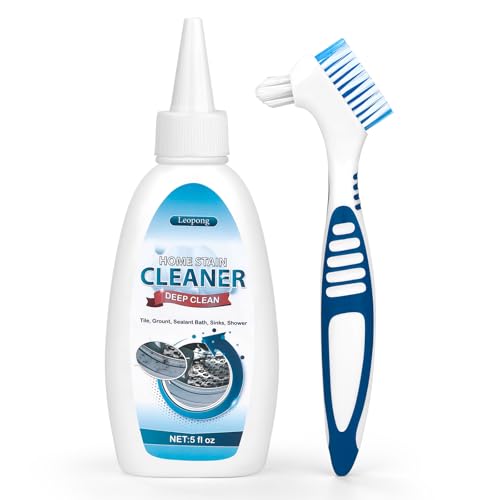
- Front load washer gasket cleaning brush
- Washing machine rubber door seal cleaner spray
- Washing machine gasket cleaning kit brush mold remover
- Soft microfiber towels
- White vinegar or mild household cleaner (optional)
- Old toothbrush for corners
- Gloves for protection (optional)

Before You Start
Ensure the washing machine is turned off and unplugged before you begin. Open the door and inspect the gasket for visible mold, soap scum, and debris. Avoid using harsh abrasive tools that could damage the rubber. Have a clean dry towel handy to dry the seal after cleaning. Plan 15–30 minutes for a thorough clean. If you notice a strong mildew odor or persistent mold, proceed with deeper cleaning steps and consider running a cleaning cycle with a purifier spray.
Step-By-Step: How To Clean A Front-Load Washer Rubber Seal
- Open the door and pull back the gasket to expose the underside. Look for visible grime and mold pockets.
- Put on gloves and spray the underside with the washing machine rubber door seal cleaner spray or a mild cleaner.
- Use the front load washer gasket cleaning brush to loosen and remove soap scum from folds and crevices.
- Wipe away debris with a microfiber towel, then use an old toothbrush for tight corners and folds.
- Inspect the area where the door meets the drum; remove any hair, lint, or foreign objects found there.
- Optionally spray a light disinfectant or white vinegar solution and wipe again to reduce odors.
- Dry the entire gasket surface thoroughly with a clean towel to prevent new moisture buildup.
- Close the gasket and run an empty hot-water cycle with the door slightly ajar for spreading heat and cleaning action.
- Run a second cycle with just water or a dedicated gasket cleaner spray to rinse lingering cleaning residues.
- Leave the door slightly open between uses to improve air circulation and reduce mildew growth.
- Repeat every 1–3 months or whenever you notice odors or visible buildup.
Troubleshooting
| Symptom | Likely Cause | Fix | Prevention |
|---|---|---|---|
| Odor persists after cleaning | Mold in hard-to-reach folds | Use gasket cleaning kit brush mold remover to reach tight spots; run an extended hot-cleaning cycle | Clean monthly; leave door ajar after use |
| Visible mold on gasket | Moist environment and soap buildup | Deep clean with cleaner spray and brush; dry thoroughly | Wipe dry after each load |
| Residue around drum seal | Detergent residue | Switch to proper amount of detergent; run frequent rinse cycles | Use low-suds detergent and avoid overloading |
| Gasket develops tears | Excessive force or abrasion | Replace the gasket if damaged; avoid sharp objects | Careful handling and regular inspection |
Common Mistakes
- Using harsh chemicals that can degrade rubber seals
- Forgetting to dry the gasket after cleaning, leading to quick re-soiling
- Neglecting tight folds where mold hides
- Overrinsing or overusing spray cleaners, causing residues
To minimize issues, follow a regular cleaning cadence, use appropriate tools, and always dry the gasket thoroughly after cleaning sessions.
Tips For Best Results
- Incorporate a monthly gasket clean into your laundry routine for best results.
- Use a dedicated cleaning brush designed for gasket corners to reach tight areas.
- Choose a cleaner that is safe for rubber and official appliance surfaces.
- Consider an end-of-cycle cleaning with hot water to dissolve mineral buildup.
- Store cleaning tools in a dedicated spot to ensure readiness for the next clean.
Call A Professional
Call a professional if you notice persistent mold that spreads beyond easy access areas, cracks or tears in the gasket, water leaks around the door, or if you cannot safely access the seal. Complex electrical or drainage issues should be handled by trained technicians.
FAQ
How often should I clean a front-load washer gasket?
Clean the gasket every 1–3 months, or more often if you notice odors or visible buildup.
Can I use vinegar to clean the gasket?
Yes, white vinegar can help dissolve mildew and soap scum. Rinse well after use.
What tools work best for mold in the gasket?
Use a dedicated gasket cleaning brush or mold remover kit to reach folds and crevices.
Is it necessary to run a cleaning cycle?
Not always, but running an empty hot-water cycle with a cleaner or vinegar helps prevent buildup and odors.
Buying Guide
When selecting tools and cleaners for front-load washer rubber seal care, consider size, compatibility, and safety. Look for products labeled for appliance gaskets and mold removal. A dedicated gasket cleaning kit often provides a brush with angled heads to reach corners, while a spray cleaner helps target the folds. For best results, pair a cleaning spray with a soft brush and cloth to avoid damaging the seal.
Key buying factors include the type of cleaner (spray vs. liquid), the brush design, and safety features such as non-abrasive bristles and rubber-safe formulations. Decide based on your gasket’s size, accessibility, and the level of buildup you typically encounter. If odors persist after regular cleaning, consider a professional assessment to prevent more serious issues.
Would you like to compare specific products side-by-side or get recommendations tailored to a particular washer model?
Leave a Reply