How to Get Rid of Muscovy Ducks
Musclevory ducks can be a persistent presence in residential ponds, yards, and gardens. Effective management combines humane deterrents with habitat adjustments to reduce attractants and prevent recurring visits. This guide explains practical steps for American homeowners to minimize Muscovy duck activity while complying with local wildlife regulations.
By using a layered approach that includes physical barriers, deterrents, and behavior modification, property owners can protect landscaping, water features, and decking from droppings and damage. The focus is on safe, humane, and long-lasting strategies that work in typical US suburban environments.
Quick Answer
Implement a combination of physical barriers and deterrents, start with pond and yard modifications, and monitor results for at least two weeks. Use a duck deterrent netting kit for ponds, a stainless steel bird spikes installation kit for perimeters, and a solar powered ultrasonic bird repeller for ongoing deterrence.
What You’ll Need
- Solar powered ultrasonic bird repeller duck deterrent for outdoor yards
- Duck deterrent netting kit for ponds and garden ponds large bird barrier
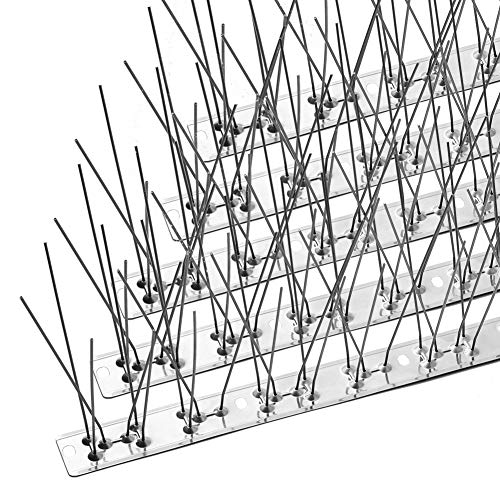
- Stainless steel bird spikes installation kit for ponds docks and decks


Before You Start
Assess the area to identify attractants such as shallow water, exposed food sources, or nesting sites. Install deterrents in a logical sequence: netting over ponds first, then spikes along perimeters, and finally ultrasonic devices for broader coverage. Time estimates vary by property size, but plan for a 1–2 week observation period to gauge effectiveness. Safety note: avoid harming wildlife and comply with local regulations regarding migratory birds and nesting seasons.
Protect children and pets by placing deterrents out of reach and ensuring power sources are weatherproof. If the Muscovy ducks establish nests, consult a local wildlife authority before taking any action during breeding seasons.
Step-By-Step: How To Get Rid Of Muscovy Ducks
- Survey the landscape to locate preferred feeding areas and shallow water zones where ducks congregate.
- Install duck deterrent netting over ponds and garden water features to block access and reduce resting spots.
- Mount stainless steel bird spikes along dock edges, fences, and any flat surfaces where ducks like to perch.
- Place the solar powered ultrasonic bird repeller at a central, unobstructed position facing typical duck flight paths.
- Adjust the deterrents to ensure coverage remains effective during peak duck activity times (early morning and late afternoon).
- Remove loose food sources from the yard, including fallen fruit, bread, and pet food that may attract ducks.
- Consider water feature modification, such as deepening shallow areas or adding gentle slope entries that ducks avoid.
- Monitor duck activity for 1–2 weeks, rotating deterrent placement if ducks adapt to a single device.
- Maintain barriers in place year-round to deter migratory patterns and seasonal visitors.
- Reinforce deterrents after heavy rain or wind events that can shift duck behavior and access points.
- Educate family members about humane deterrence practices to prevent accidental feeding or harassment of wildlife.
- Document results and adjust the combination of barriers if Muscovy ducks return in subsequent seasons.
Troubleshooting
| Symptom | Likely Cause | Fix | Prevention |
|---|---|---|---|
| Ducks ignore deterrents after a few days | Habituation to a single device | Reposition devices, add new deterrent type, increase coverage | Rotate devices periodically and maintain all barriers |
| Deterrents are damaged by weather | Inadequate mounting or materials | Securely anchor devices; ensure weatherproof components | Inspect monthly and replace corroded parts |
| Water feature attracts ducks despite netting | Netting coverage gaps | Patch gaps and secure edges under rims | Choose proper netting size and install with a tight fit |
| Perimeter spikes cause bird migration around edges | Gaps or improper angle | Adjust angle and fill gaps with compatible materials | Plan barrier layout to minimize easy bypass routes |
Common Mistakes
- Relying on a single deterrent tool for extended periods
- Blocking only part of a water feature, leaving inviting sections exposed
- Using attractants like bread or scraps near the garden, which encourages feeding
- Neglecting regular maintenance of nets, spikes, and electronic devices
By avoiding these missteps, homeowners improve the odds of discouraging Muscovy ducks without resorting to drastic measures.
Tips For Best Results
- Combine barriers with behavior modification strategies to reduce habituation.
- Position deterrents to cover all typical duck routes and avoid shadowed blind spots.
- Keep deterrents clean and free from debris to maximize effectiveness.
- Schedule a seasonal review before duck migration periods to preempt activity.
- Document changes and adapt the plan if ducks move to nearby ponds or yards.
Call A Professional
Consult a wildlife specialist if: ducks establish large, persistent nesting sites, there is repeated damage to structures, or legal restrictions require professional intervention. Seek assistance when deterrents fail to reduce activity after a full seasonal cycle, or if there is risk to other wildlife or pets.
FAQ
What attracts Muscovy ducks to residential yards?
Shallow water, easy access to food, and safe resting spots attract Muscovy ducks. Removal of these attractants reduces visits.
Are duck deterrents legal in every US state?
Deterrents are generally legal when used humanely and within local regulations. Check municipal wildlife guidelines before installation.
Will nets harm the ducks?
Netting is designed to deter access, not injure. Ensure installation avoids entanglement and follow manufacturer instructions.
How long does it take to see results?
Deterrence results vary, but most yards see reduced activity within 1–3 weeks with consistent use.
Can I use multiple deterrents at once?
Yes. A layered approach typically yields the best results by addressing different duck behaviors.
Buying Guide
Choosing the right deterrents depends on yard size, water feature type, and local conditions. Consider the following factors to balance effectiveness, maintenance, and cost.
Size and scope: For large ponds, combine netting with spikes along the bank and a central ultrasonic repeller. Smaller features may rely more on netting and spikes.
Noise and visibility: Solar ultrasonic devices provide visible deterrence without constant noise. If neighbors dislike noise, place devices away from property lines and test settings for a few days.
Energy efficiency: Solar-powered devices minimize electrical needs and are simpler to maintain. Ensure the solar panel receives adequate sun exposure.
Controls: Look for devices with adjustable motion sensors, programmable intervals, and weatherproof housings for year-round use.
Placement: Install nets over water surfaces first, then place spikes along edges, while ultrasonic devices cover broader zones. Avoid obstructing drainage and access for maintenance.
Durability: Choose rust-resistant materials (stainless steel, UV-rated plastics) to withstand weather and wildlife interactions.
Maintenance: Regular inspection is essential. Clean nets and sensors, re-secure fixtures after storms, and replace worn parts promptly.
Leave a Reply