How to Clean a Watch: Safe, Effective Steps
Cleaning a watch helps maintain its appearance and longevity, whether it’s a sleek dress piece or a rugged sports model. This guide covers practical methods for common watch types, focusing on safety and preserving seals and finishes. It uses accessible tools and consumer-ready techniques to keep your timepiece looking and ticking its best.
Quick Answer
Use a gentle approach: remove the watch from the wrist, rinse lightly with water if water-resistant, clean with a soft brush and microfiber, and dry thoroughly. For metal bracelets, a dedicated cleaning kit or ultrasonic cleaner can remove grime more effectively, but always verify water resistance and avoid soaking leather straps.
What You’ll Need
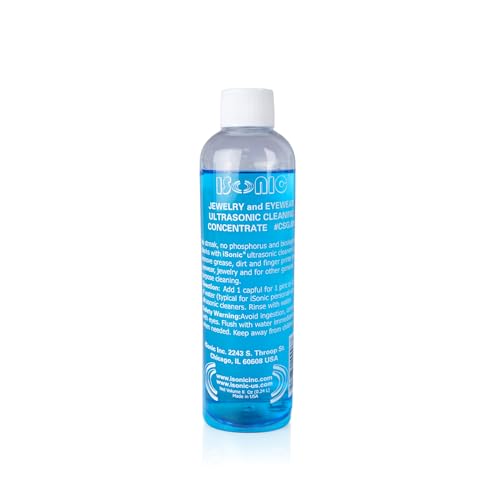
- Watch cleaning kit ultrasonic jewelry cleaner
- Watch cleaning brush set microfiber cloth
- Watch band cleaning tool kit with spring bar remover


Before You Start
Assess the watch type: water resistance rating, strap material, and crown position. If unsure, err on the side of caution and avoid submerging the watch. Lay a soft mat and microfiber towels to protect the crystal and case. Time estimate: 15–60 minutes depending on complexity. Avoid soaking leather bands or vintage watches with uncertain seals.
Step-By-Step: How To Clean A Watch
- Inspect the watch for loose parts and confirm the crown is fully pushed in or screwed down before cleaning.
- Remove any removable bands with the spring bar remover to clean separately and prevent water exposure to leather.
- Wipe the exterior with a dry microfiber cloth to remove loose dust and oils from the case and crystal.
- For metal bracelets, use a soft brush dampened with a mild soap solution and gently scrub between links.
- Dip a clean, lint-free cloth in water (or a small amount of isopropyl alcohol for stubborn grime) and wipe the watch case. Avoid spraying liquids directly onto the watch.
- If using an ultrasonic jewelry cleaner, follow the device’s instructions, placing the watch or bracelet in a suitable mesh tray and setting a short cycle to avoid overexposure.
- Rinse the bracelet components with clean water and dry with a soft cloth. Ensure no moisture remains in crevices before reassembling.
- Reattach leather straps only after they are thoroughly dry, and verify the watch is fully dry before wearing.
Troubleshooting
| Symptom | Likely Cause | Fix | Prevention |
|---|---|---|---|
| Water droplets under the crystal | Improper sealing or over-wetting | Dry and inspect seals; avoid submerging if unsure | Consult a professional if seals appear compromised |
| Scratches on case or bezel | Abrasive cleaning or rigid tools | Switch to soft brushes and microfiber; avoid metal scrapers | Use protective cases and store separately |
| Leather strap stiff or discolored | Water exposure or cleaning solution | Let strap air-dry away from heat; use proper leather conditioner | Keep leather dry; clean strap with appropriate products |
| Bracelet links don’t move freely | grime buildup in joints | Carefully clean with a soft brush; re-lubricate if needed (by pro) | Regular light cleaning |
Common Mistakes
- Using abrasive cleaners or rough brushes on the crystal or case
- Soaking leather straps or non-waterproof watches
- Directly spraying liquids onto the watch instead of applying them to cloth
- Ignoring seals and crown integrity—risking water ingress
Tips For Best Results
- Perform cleaning in a well-lit, clean area to spot particles and fingerprints.
- Test any cleaner on a small, inconspicuous area first to ensure no damage.
- Maintain a regular cleaning routine, especially for metal bracelets that collect oils and sweat.
- Store watches in a cool, dry place to prevent moisture buildup between wearings.
Call A Professional
Seek professional help if you notice condensation under the crystal, visible cracks, corrosion, or if the watch requires internal servicing beyond basic exterior cleaning. Stop cleaning and contact a licensed watchmaker if you feel unsure about the watch’s water resistance or structural integrity.
FAQ
Can I clean my watch with soap and water?
Yes, for water-resistant watches, use a mild soap solution and a soft brush, then rinse and dry thoroughly.
Is it safe to use an ultrasonic cleaner on all watches?
Not for leather straps or non-waterproof watches; follow the manufacturer’s guidance and place only suitable parts in the cleaner.
How often should I clean a watch?
Clean exterior surfaces monthly or after heavy use; deeper cleaning can be done every 6–12 months depending on wear.
What should I do if the crown is difficult to turn?
A stiff crown may indicate internal issues or moisture ingress—avoid force and consult a professional.
Can I clean the movement itself?
Movement cleaning should be done only by trained technicians; improper handling can cause damage.
What about cleaning a metal bracelet vs leather strap?
Metal bracelets tolerate water and light cleaning; leather straps require dry cleaning and conditioning or replacement.
Is it okay to use toothpaste to polish scratches?
No. Toothpaste is abrasive and can scratch surfaces; use manufacturer-approved polishes or consult a professional.
Buying Guide
Choosing watch-cleaning tools and accessories depends on the watch type, materials, and maintenance goals. Here are key buying factors to consider:
- Size and compatibility: Ensure the cleaning kit and ultrasonic cleaner accommodate your watch case size and bracelet width.
- Noise level: Ultrasonic units vary; look for quieter models suitable for home use.
- Energy efficiency: Opt for energy-saving modes and timers to prevent overuse.
- Controls and safety: Choose devices with adjustable cleaning cycles and protective baskets.
- Placement and storage: Pick compact models with spill containment and easy storage for tools.
- Material compatibility: Verify that the kit works with metal, ceramic, and plastic watch components; avoid leather exposure in water-based cleaners.
- Maintenance needs: Consider whether you want a simple brush set or a full kit including spring bar removers and tools.
When comparing options, consider how often you clean, whether you prefer hands-on brushing or automated cleaning, and how much risk you’re willing to take with delicate components. A balanced kit that includes a watch cleaning brush set microfiber cloth and a safe ultrasonic cleaner often provides the best blend of convenience and effectiveness for most American households.
Leave a Reply