How to Get Rid of Period Smell in the Bathroom
Managing bathroom odors related to menstruation can feel sensitive, but there are practical, soon-to-be-routine steps that help keep the air fresh and comfortable. This guide explains proven methods and the right products to use, focusing on odor elimination at the source and in the surrounding spaces.
By combining proper cleaning, deodorizing treatments, and air purification, you can reduce lingering smells in a way that’s safe for daily use and easy to maintain.
Quick Answer
Act quickly after leakage or discharge is noticed, and perform a two-pronged approach: remove the odor-causing material with an enzyme-based cleaner and improve air quality with a carbon-based purifier. Pair this with routine cleaning and airing to keep the bathroom smelling fresh between uses.
What You’ll Need
- Enzyme cleaner menstrual odor bathroom spray
- Enzyme-based stain remover and odor eliminator for menstrual blood
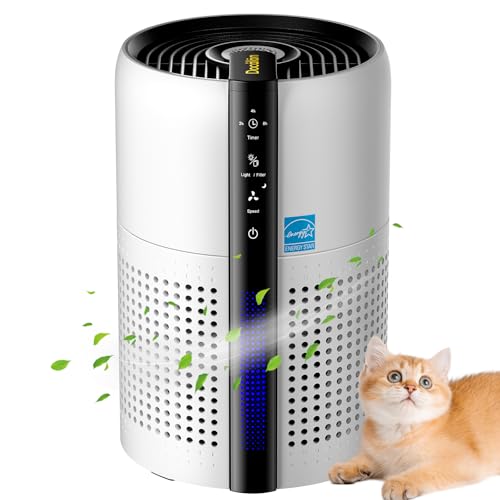
- Activated carbon air purifier for bathroom odor
- General bathroom cleaning supplies (bacteria-safe cleaner, microfiber cloths)
- Trash receptacle with a lid and liners


Before You Start
Prepare a well-ventilated area and wear disposable gloves when handling bodily fluids or cleaning agents. Clear the bathroom of personal items to expose all surfaces. Time estimate: 15–25 minutes for a quick refresh; 30–60 minutes for a full treatment and odor control setup. Safety cautions include avoiding mixing cleaners that may release fumes and ensuring enzyme products are stored away from children and pets.
Step-By-Step: How To Get Rid Of Period Smell
- Apply an enzyme cleaner menstrual odor bathroom spray directly to areas with odor and potential stains on toilet rims, bowls, and surrounding tiles.
- Let the enzyme cleaner sit for the product-recommended time to break down organic residues that cause odor.
- Wipe down treated surfaces with a clean microfiber cloth, then reapply as needed for stubborn spots.
- Use an enzyme-based stain remover and odor eliminator for menstrual blood on fabrics or porous surfaces nearby, following label directions.
- Rinse or wipe away residue from fabric areas (bath mats or towels that may harbor odor) after treatment.
- Turn on or install an activated carbon air purifier for bathroom odor to continually absorb volatile compounds in the air.
- Ventilate by opening windows or running the exhaust fan for at least 15 minutes after cleaning, then keep the purifier running during peak odor times.
- Empty bathroom trash regularly and use liners to limit odor buildup from waste or personal products.
- Place air purifier away from direct water splashes to maximize effectiveness and avoid moisture-related damage.
- Schedule routine maintenance: weekly quick clean and monthly enzyme-based treatments for persistent odors.
- Periodically reassess odor sources (plumbing or damp areas) and address any new smells promptly.
- Document a simple routine and set a reminder to keep up with the cleaning cadence for consistent results.
Troubleshooting
| Symptom | Likely Cause | Fix | Prevention |
|---|---|---|---|
| Persistent bathroom odor after cleaning | Residual organic matter in grout or porous surfaces | Reapply enzyme cleaner to affected areas and allow longer dwell time | Regular cleaning schedule with targeted enzyme treatments |
| Air smells musty even with purifier | Moisture buildup and insufficient ventilation | Increase ventilation; run purifier on higher setting during high humidity | Use dehumidifier or improve bathroom ventilation year-round |
| Purifier seems ineffective | Filter saturation or wrong placement | Replace or clean carbon filters; relocate purifier away from direct water and in a central location | Follow manufacturer guidelines for filter replacement |
| Enzyme products do not dissociate stains | Stains too old or fabrics not responsive to enzymes | Use fabric-safe stain remover with enzymatic action, test on small area first | Treat stains promptly and avoid letting them set |
Common Mistakes
- Relying on air fresheners alone without addressing the source of odor
- Overusing chemical cleaners that can leave chemical scents or irritants
- Ignoring humidity and damp surfaces, which promote odor persistence
- Neglecting to treat fabric items like towels and mats that collect odor
Addressing the root cause with enzyme cleaners and improving air quality with carbon filtration is more effective than masking odors with fragrances alone.
Tips For Best Results
- Use enzyme cleaners on organic residue to break down the odor at the molecular level.
- Place the activated carbon air purifier near the main odor source for efficient adsorption.
- Establish a weekly quick-clean routine that includes treating any noticeable stains or residues.
- Schedule regular replacement of purifier filters; carbon filters absorb odors gradually and lose effectiveness over time.
- Keep surfaces dry after cleaning to prevent mold and mildew that contribute to odors.
Call A Professional
Consider calling a professional if you notice persistent odors despite repeated cleaning, or if there is hidden mold, plumbing leaks, or persistent damp spots. Stop signs include ongoing musty smells, visible mold growth, or continual high humidity levels despite ventilation. A pro can assess plumbing, ventilation, and structural issues that underlie odor problems.
FAQ
What makes period smells linger in a bathroom?
Odors come from organic matter and bodily fluids that can cling to surfaces. Enzymatic cleaners break down these residues, while activated carbon purifies the air by adsorbing odor-causing molecules.
Are enzyme cleaners safe for regular bathroom use?
Yes, enzyme cleaners designed for bathrooms are formulated to be safe on typical surfaces when used as directed. Always test on a small area first and follow label instructions.
How often should I run an air purifier in the bathroom?
Run it during peak odor times and for at least 15–30 minutes after cleaning. Longer runtimes are beneficial in small, poorly ventilated spaces.
Can I use air fresheners alone to manage period smell?
Air fresheners mask odors but do not remove the source. Combine air purification with enzymatic cleaning for lasting results.
Should I wash fabrics like towels and mats frequently?
Yes, wash towels, mats, and washable fabrics regularly to prevent odor transfer and buildup.
What if odor returns after a few days?
Inspect for recurring moisture, leaks, or hidden residues. Reapply enzyme cleaners and refresh the air purification setup as needed.
Buying Guide
When choosing products to tackle period-related bathroom odors, consider several factors to ensure effective and ongoing results. How large is the bathroom, and will the purifier cover the space adequately? Look for a purifier with strong carbon filtration and easy maintenance. Consider the odor sources in the room and whether you need multi-surface enzymatic cleaners or targeted stain removers. For active households, you may want a pair of enzyme cleaners and a purifier with replaceable filters to maintain performance over time.
Key buying factors
- Size and coverage: Choose a purifier rated for the bathroom square footage; ensure it fits the space and can run quietly.
- Noise level: Look for low-noise operation if the bathroom is near a bedroom or living area.
- Energy efficiency: Energy-rated purifiers reduce operating costs with continuous use.
- Controls: Simple timer or auto-mode features help maintain consistent odor control without manual adjustments.
- Placement: Position the purifier to maximize airflow, away from direct water splashes but near the main odor source.
- Product synergy: Use enzyme cleaners for odor removal and a carbon purifier for air treatment; combining methods yields better results.
- Maintenance: Check filter replacement intervals and how easy it is to clean or replace components.
- Durability and safety: Ensure products are suitable for bathrooms and won’t degrade surfaces over time.
If odor control feels challenging after trying the recommended routine, revisit the surface cleaning approach, verify moisture levels, and consider a professional assessment to identify hidden issues.
Leave a Reply