How to Get Rid of Third-Hand Smoke in Your Home
Third-hand smoke refers to the residual contamination that clings to walls, furniture, fabrics, and surfaces after cigarette use. It can linger long after the visible smoke has cleared, posing odor and health concerns for residents and guests. This guide provides practical, safe steps for reducing third-hand smoke exposure in American homes using common tools and products.
Following a structured approach helps improve air quality and eliminate stubborn odors. The focus is on practical cleaning methods, air purification strategies, and maintenance routines that work for most rooms and budgets.
Quick Answer
Actionable takeaway: Combine thorough surface cleaning with targeted air purification. Use an enzymatic cleaner for porous materials, an activated carbon or HEPA air purifier for ongoing odor control, and a dedicated odor absorber spray for spot treatments. Regular ventilation and fabric cleaning dramatically reduce lingering residues.
What You’ll Need
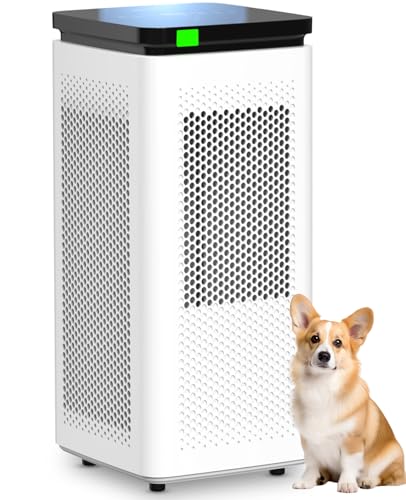
- HEPA air purifier for cigarette smoke odor removal large room
- enzymatic cleaner tobacco smoke odor eliminator spray
- activated carbon odor absorber air purifier for smoke
- Disposable gloves and microfiber cloths
- Soft brushes or scrub pads for delicate surfaces
- Vacuum with a HEPA filter


Before You Start
Identify rooms most affected by third-hand smoke—often near smoking areas or shared walls. Schedule cleaning on a dry day when humidity is moderate to minimize spreading residues. Wear gloves to protect skin and avoid mixing cleaners that could produce harmful fumes. Ventilate the area well by opening windows and using exhaust fans during cleaning. Allow adequate time for odor neutralization and drying between steps.
Step-By-Step: How To Remove Third-Hand Smoke
- Ventilate the space by opening windows and turning on fans to establish air flow.
- Vacuum all upholstered furniture, drapes, and carpets with a HEPA-filter vacuum to capture particles.
- Apply enzymatic cleaner to porous surfaces like fabrics, walls near smoking areas, and carpeting. Follow product directions for dwell time.
- Wipe down hard surfaces (walls, baseboards, windowsills) with a moisture-safe cleaner to remove residue.
- Use an activated carbon odor absorber air purifier to continuously trap and neutralize gases suspended in the air.
- Run a second pass with a HEPA air purifier in the main living area to capture fine particles and improve air quality.
- Spot-treat stubborn areas with enzymatic cleaner spray and allow to dry completely before reassembling decor.
- Wash or dry-clean fabrics, curtains, and removable upholstery when possible to remove embedded residues.
- Maintain regular cleaning: vacuum weekly, fresh air outflow, and periodic deep clean of walls and ceilings if necessary.
Troubleshooting
| Symptom | Likely Cause | Fix | Prevention |
|---|---|---|---|
| Persistent odor after cleaning | Residues on walls or porous materials | Reapply enzymatic cleaner and ventilate with a purifier | Deep-clean high-uptake surfaces periodically |
| Smoke smell returns after a few days | New emissions from recently used items | Use odor absorbers and run purifier continuously | Limit smoking indoors and remove odor sources |
| Air purifier produces little odor change | Filter saturation or insufficient air changes | Replace filters and increase purifier run time | Place unit away from walls; ensure proper airflow |
Common Mistakes
- Relying on a single cleaner for all surfaces
- Delaying remediation after exposure
- Ignoring fabrics and soft surfaces
- Using harsh chemicals near children or pets
Tips For Best Results
- Run at least one HEPA air purifier for a large room in the background during and after cleaning.
- Target porous materials with enzymatic cleaners to break down smoke molecules at the source.
- Contain the cleaned area until surfaces are fully dry to prevent new residues from settling.
- Schedule periodic maintenance of air purifiers, including filter checks and replacements.
Call A Professional
Consider contacting a professional for severe contamination, especially in multi-unit buildings, or if odors persist despite cleanup. Stop signs to seek help include persistent or strong odors after multiple cleanings, mold or moisture issues, or visible smoke staining on ceilings and walls.
FAQ
What is third-hand smoke?
Third-hand smoke refers to residual tobacco smoke contaminants that cling to surfaces and dust long after smoking ends.
Can an air purifier remove third-hand smoke?
Yes, a combination of HEPA filtration and activated carbon can reduce particles and odors, especially in conjunction with surface cleaning.
Is enzymatic cleaner safe for fabrics?
Yes, enzymatic cleaners are designed to break down organic residues on many fabrics; always test a small area first.
How often should I clean to prevent third-hand smoke buildup?
Do a thorough cleaning every few months and run purifiers continuously in affected spaces as an ongoing measure.
Should I throw away furniture or textiles?
Items with heavy smoke staining and persistent odors may need replacement; consult a professional if unsure.
Buying Guide
When selecting air purification and cleaning tools to tackle third-hand smoke, focus on size, noise, energy use, controls, and placement. A large-room HEPA purifier handles most common living areas, while activated carbon models target odors more aggressively. For fabrics or porous surfaces, enzymatic cleaners complement purifiers by neutralizing residues at the source. Consider a two-pronged approach: a durable purifier for continuous use and targeted cleaners for spot cleaning.
Size matters: choose a purifier appropriate for the room square footage and ceiling height. Noise matters for bedrooms or living rooms—check decibel ratings and set modes accordingly. Energy efficiency is important for long-term use; look for devices with energy-star or similar certifications. Controls should be straightforward for family members, with intuitive timers and filter indicators. Finally, plan placement to optimize air flow: keep purifiers away from walls, place near odor sources, and ensure even coverage across spaces.
For shoppers comparing options, consider models that combine HEPA filtration with activated carbon or specialized adsorbents. If odor sources are chiefly fabrics, prioritize enzymatic cleaners for surface treatment alongside a purifier. In multi-room homes, portable purifiers can be moved as needed, while fixed units can be installed in the most affected zones. With consistent use and proper cleaning, third-hand smoke odors become manageable and less intrusive.
Leave a Reply